Chesapeake, Virginia · Live REIN MLS
Homes for Sale in Chesapeake, VA
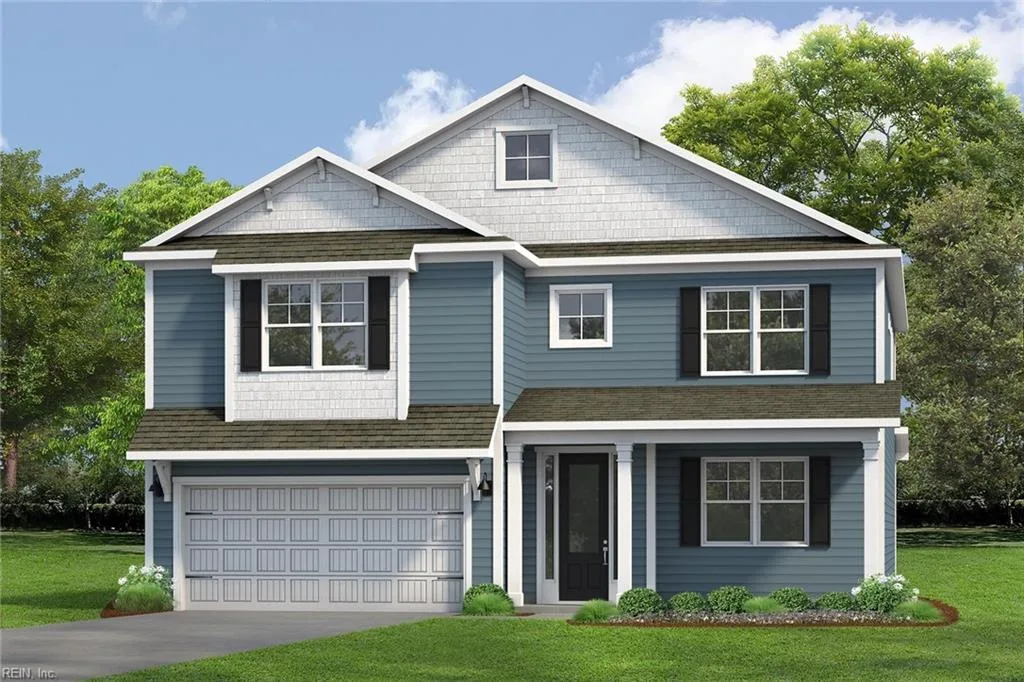
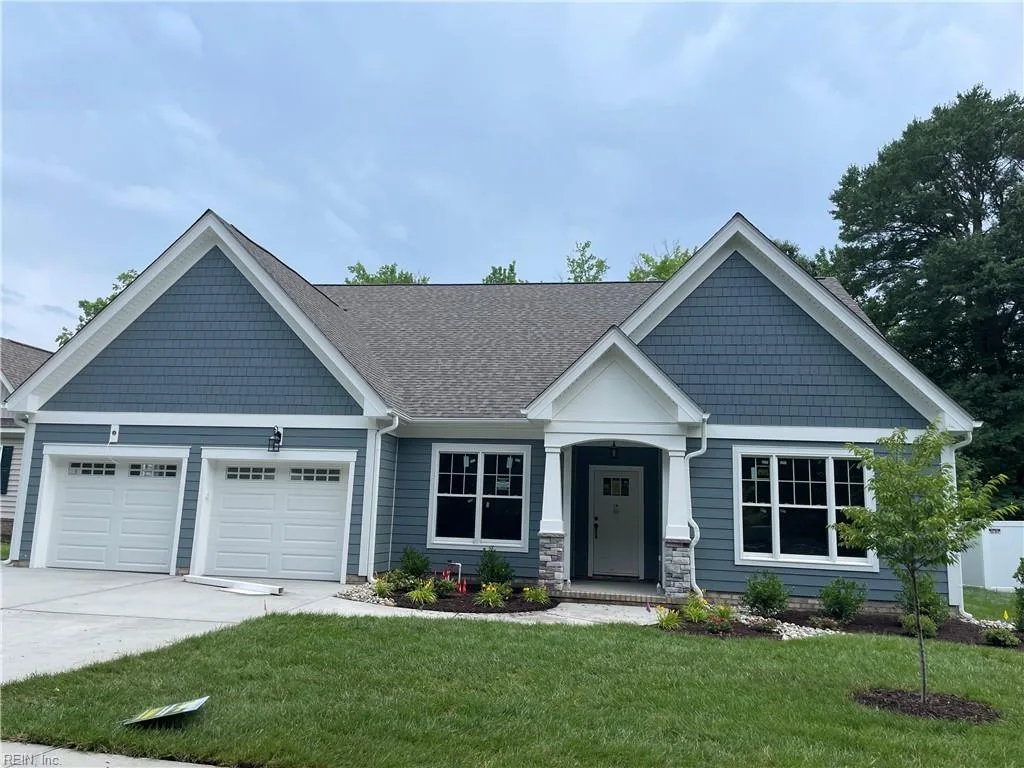
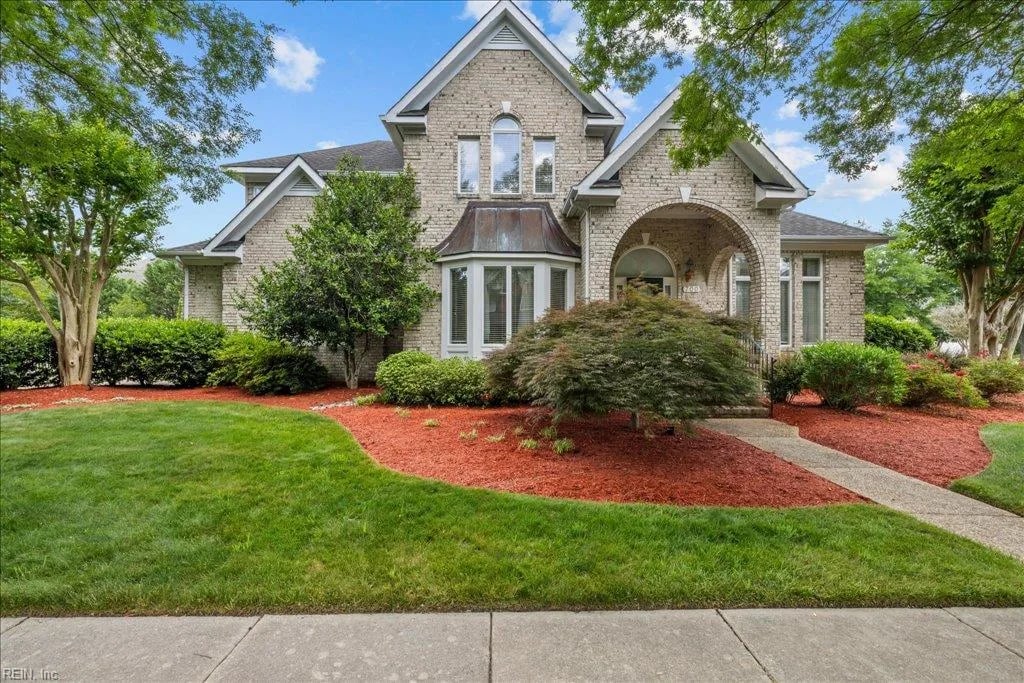
671 active Chesapeake listings, pulled straight from the REIN MLS and refreshed every 5 minutes. Real local agents, flood zones shown upfront, zero spam.
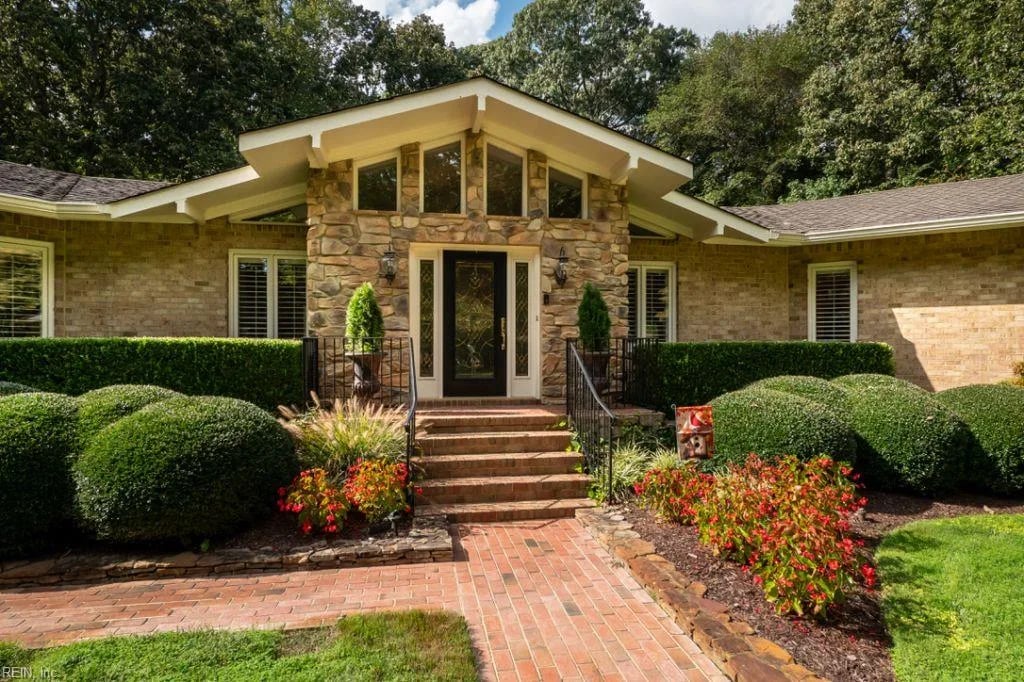
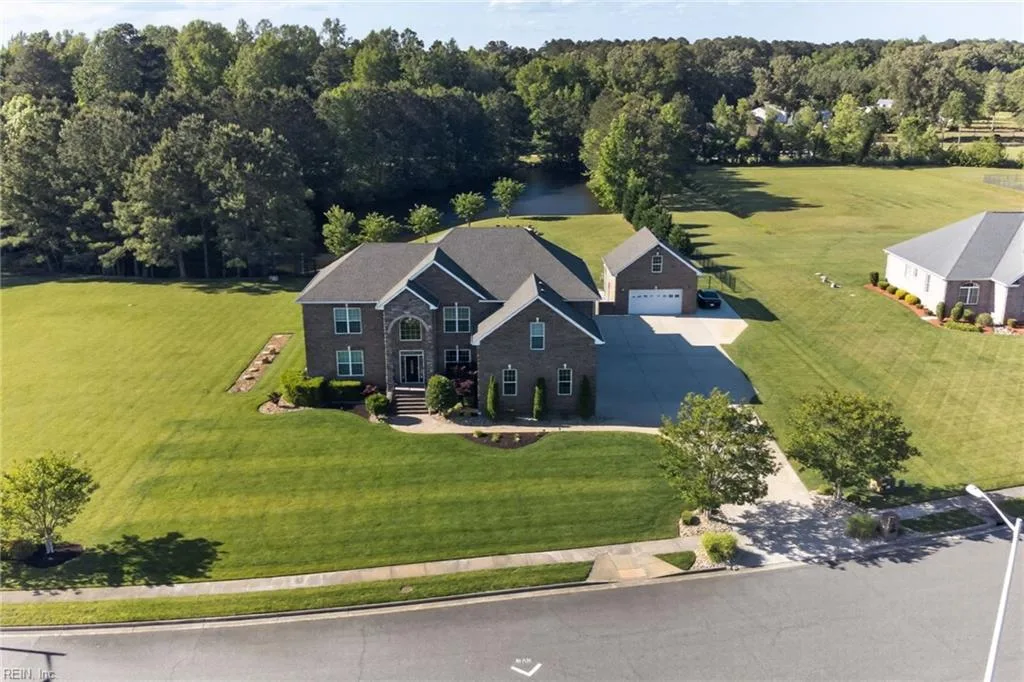
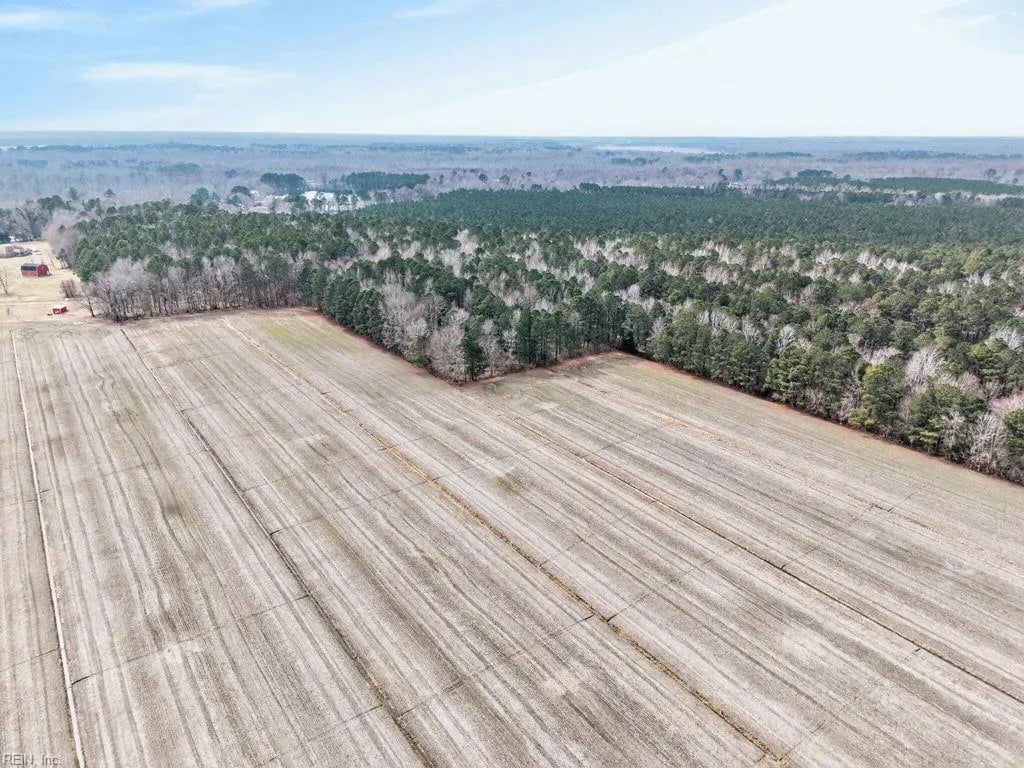
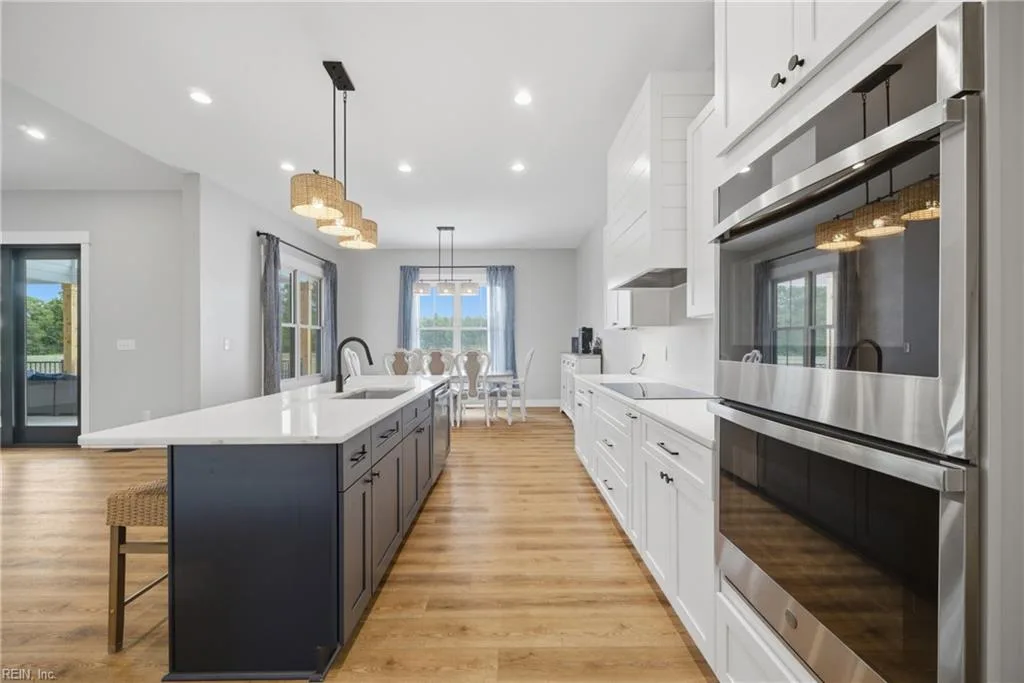
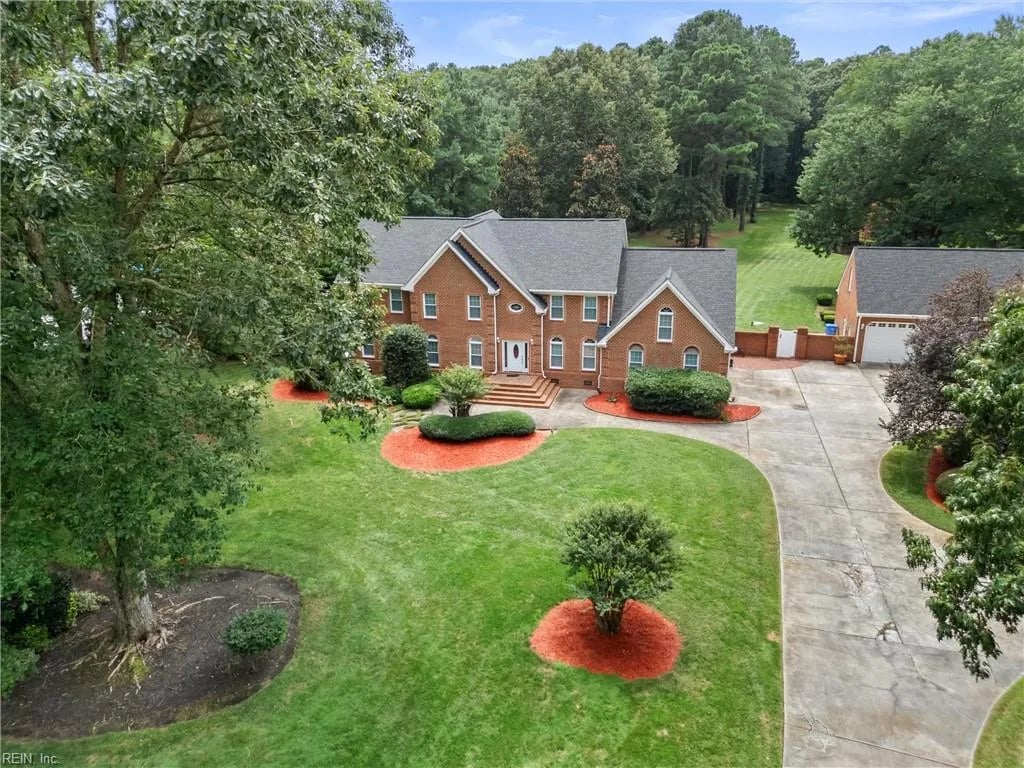
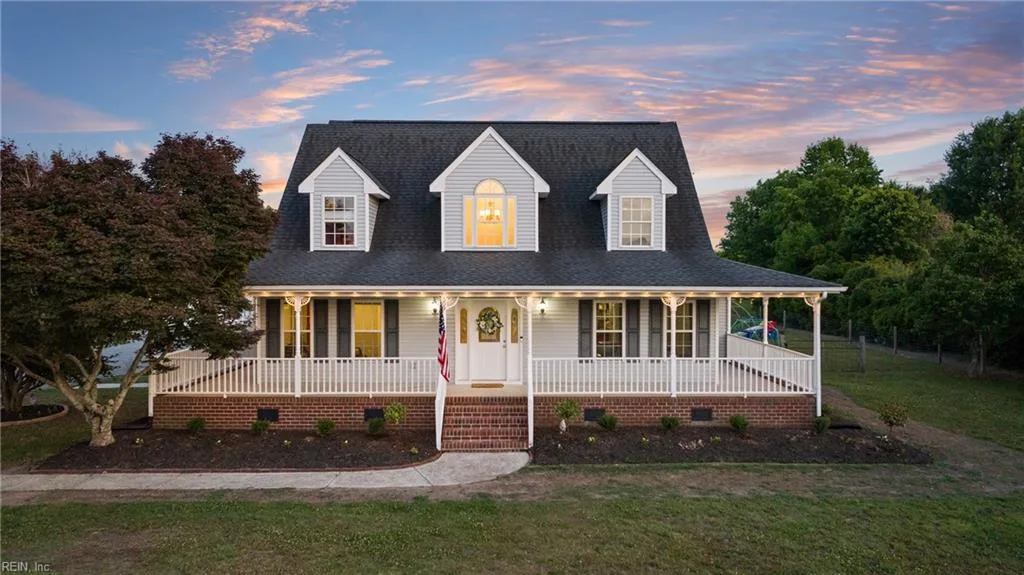
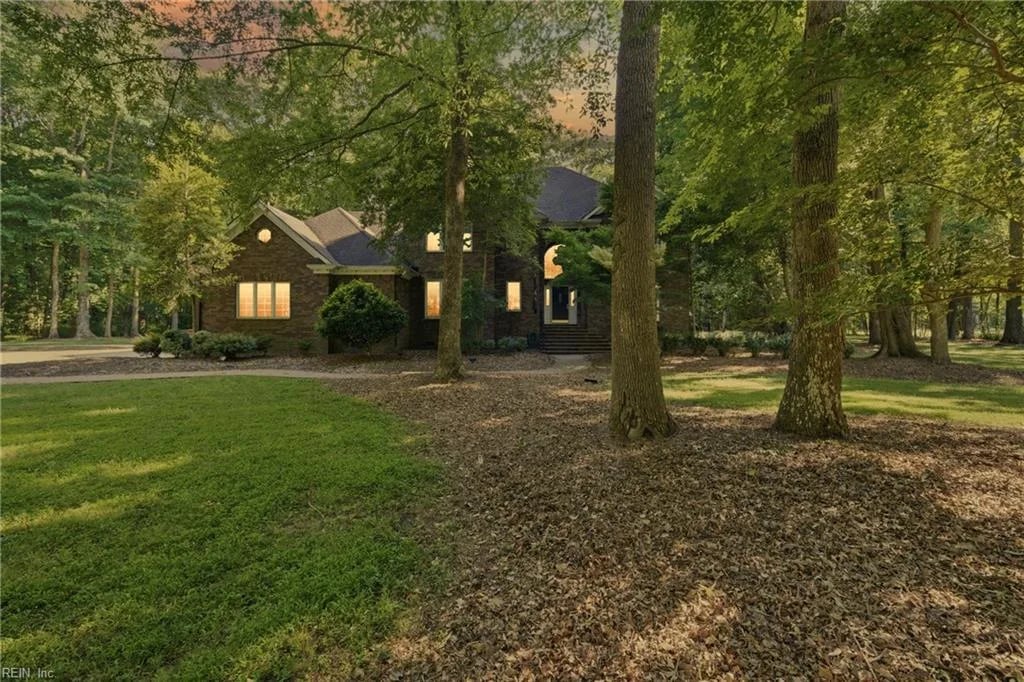
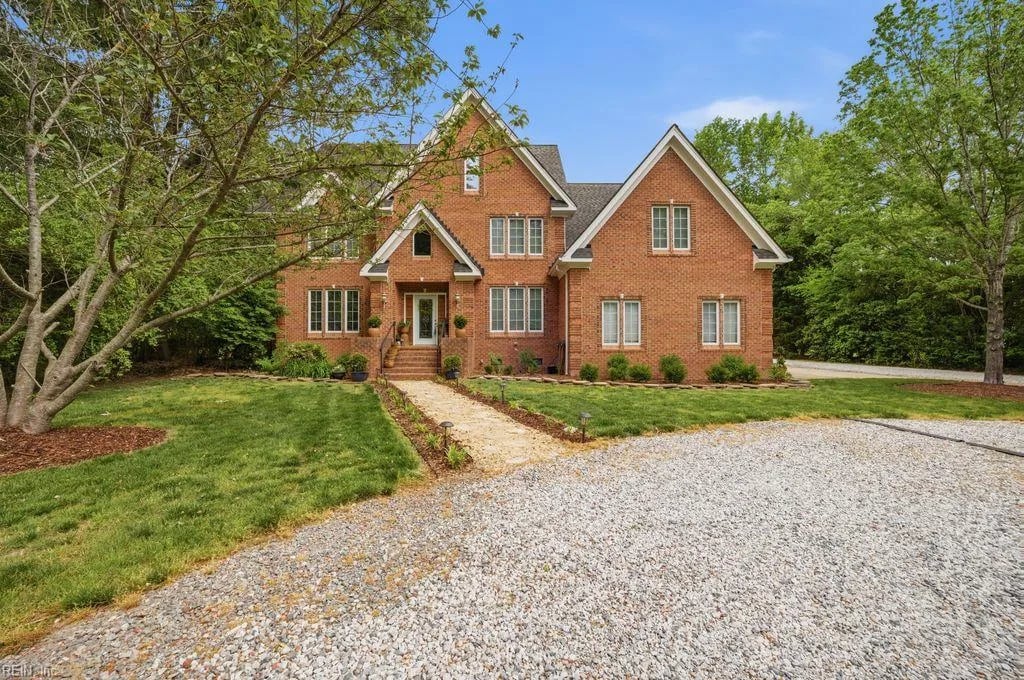
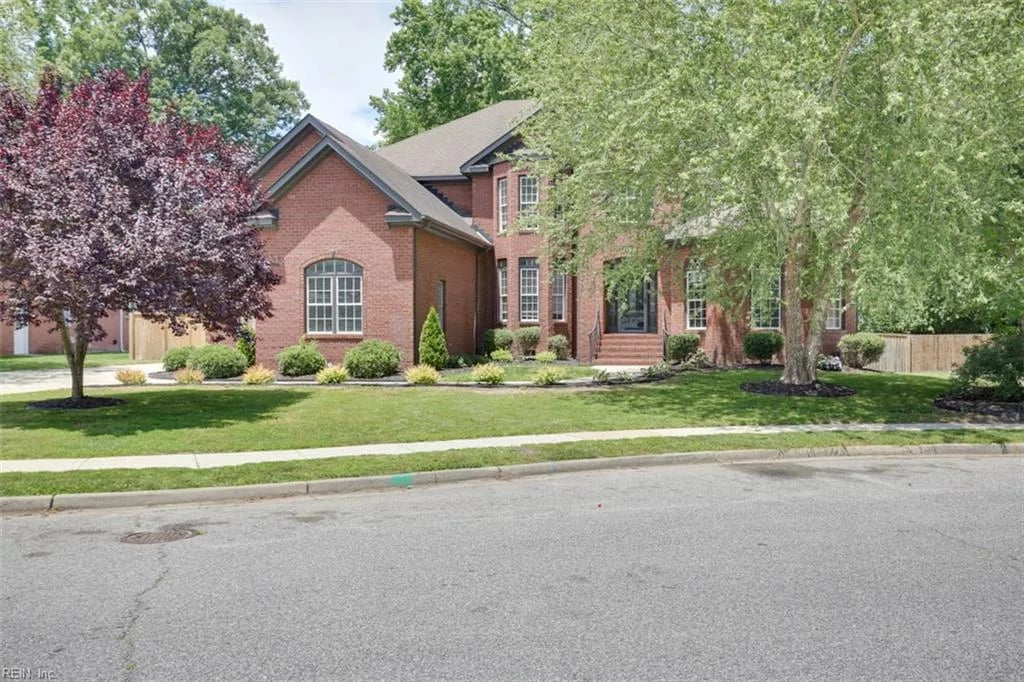
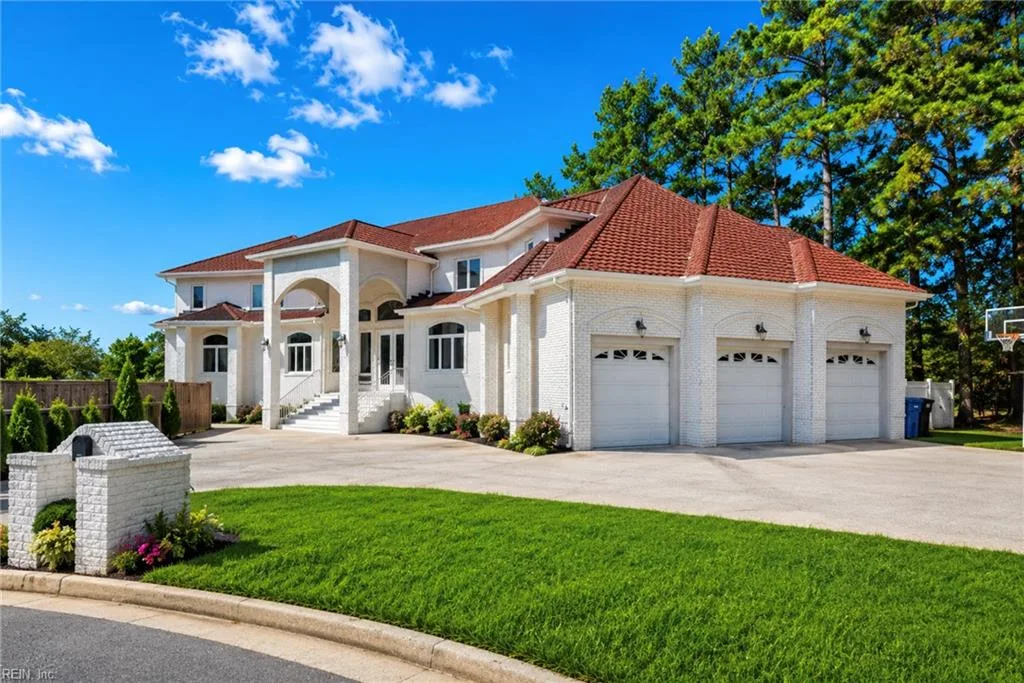
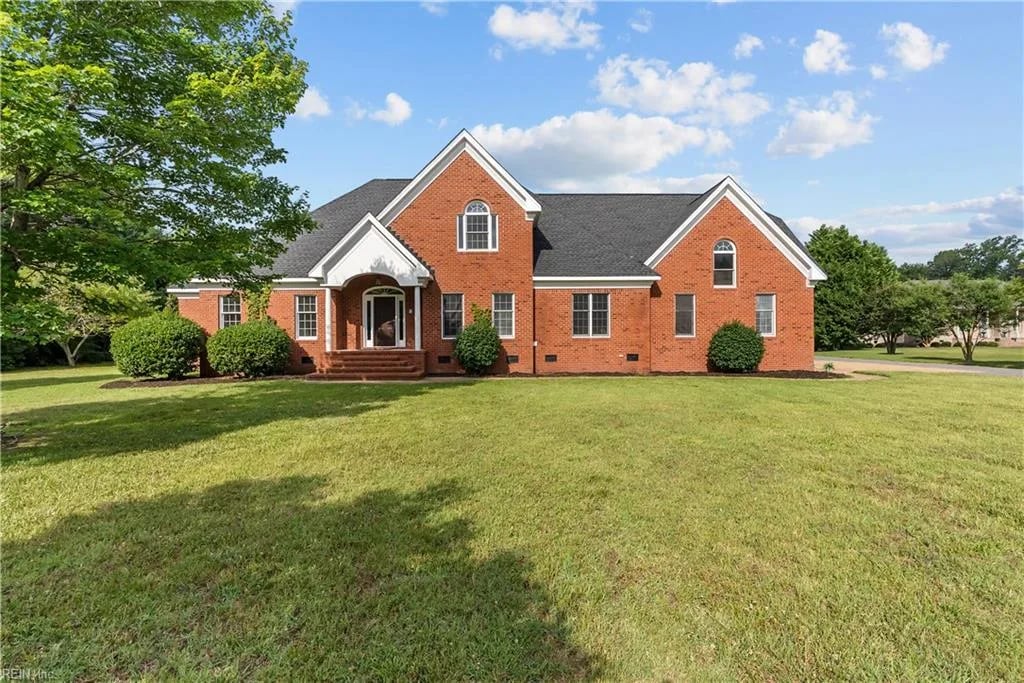
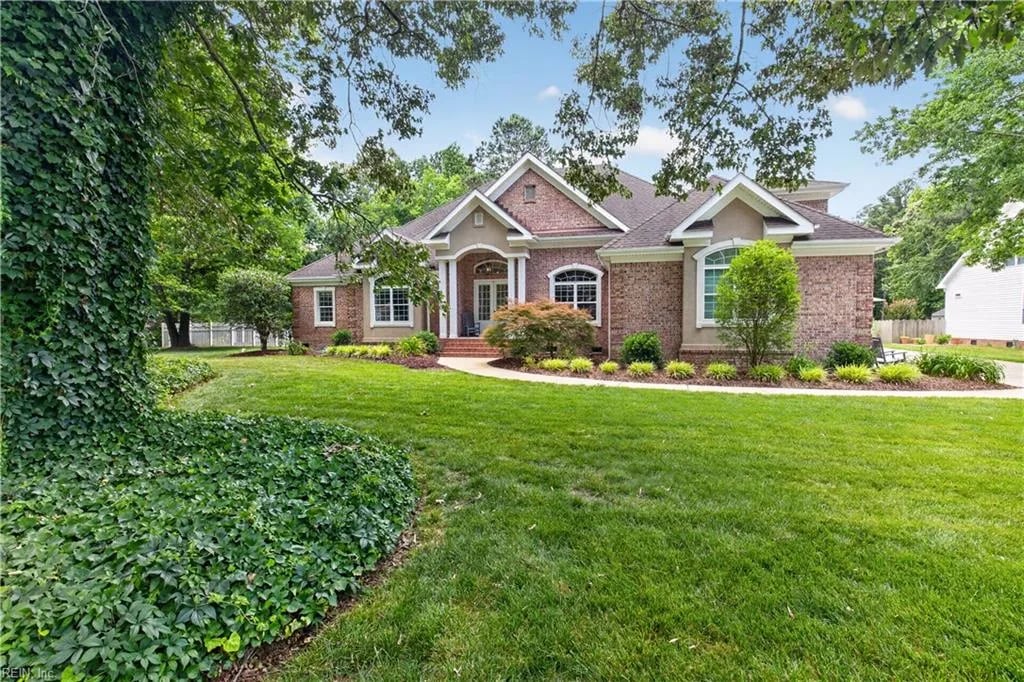
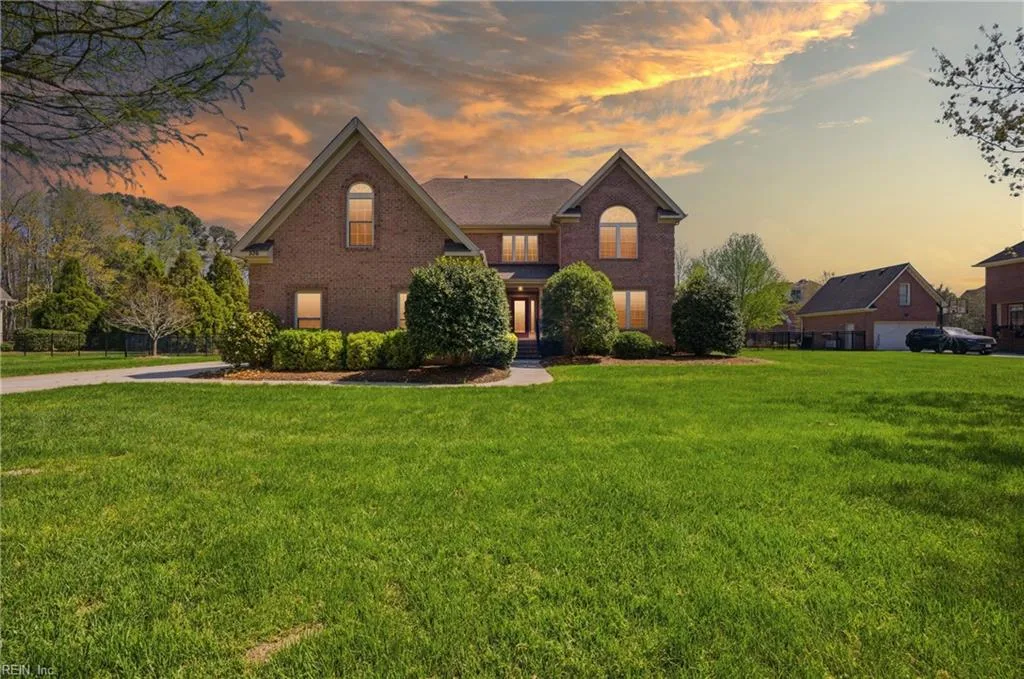
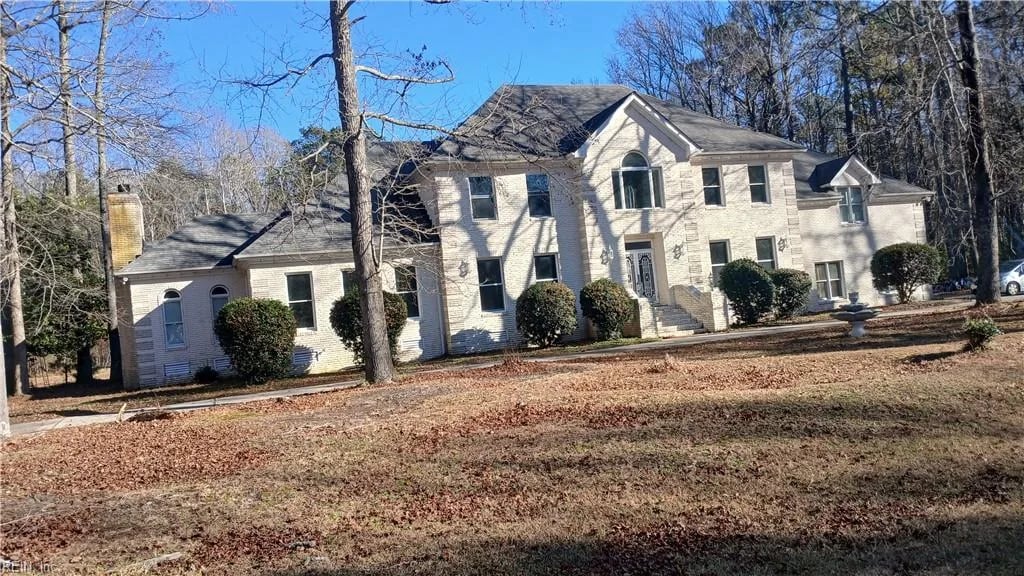
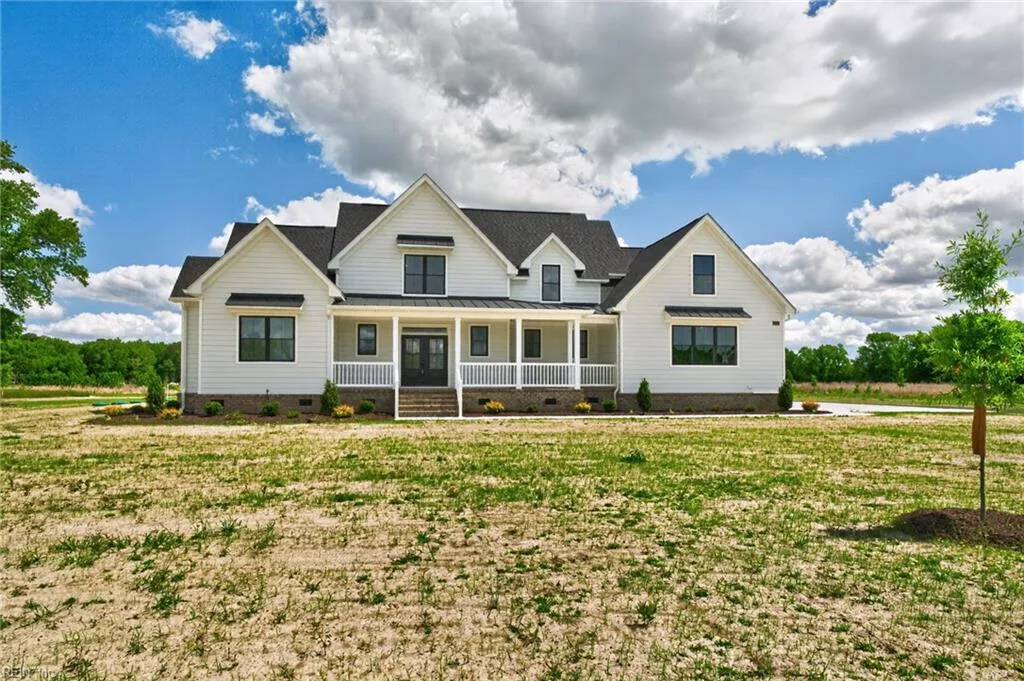
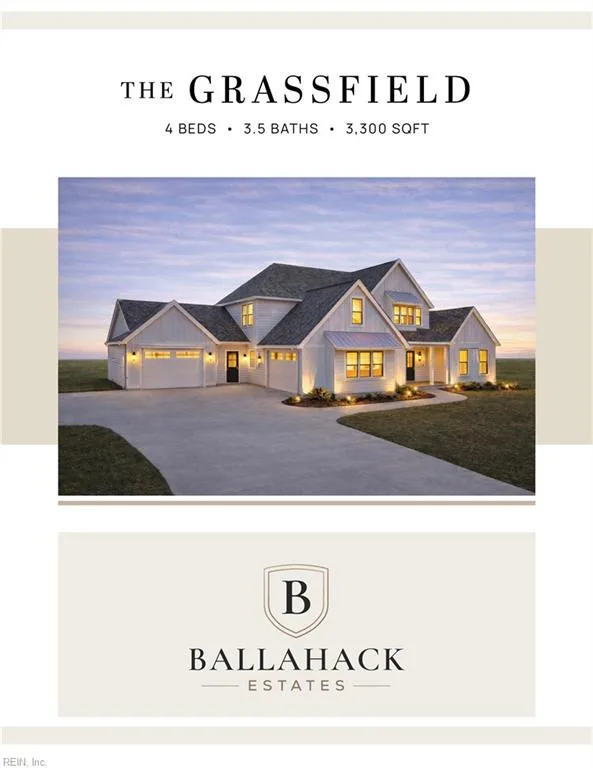
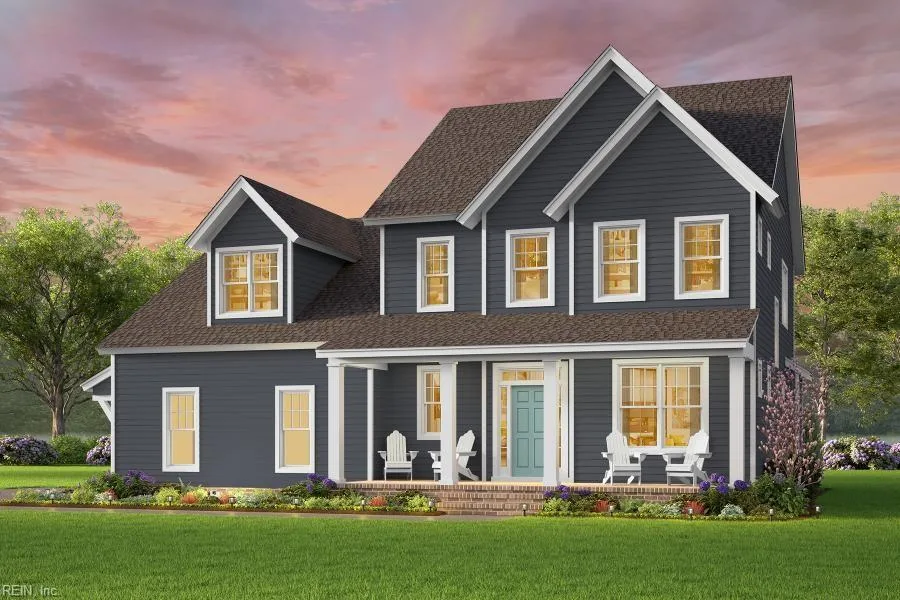
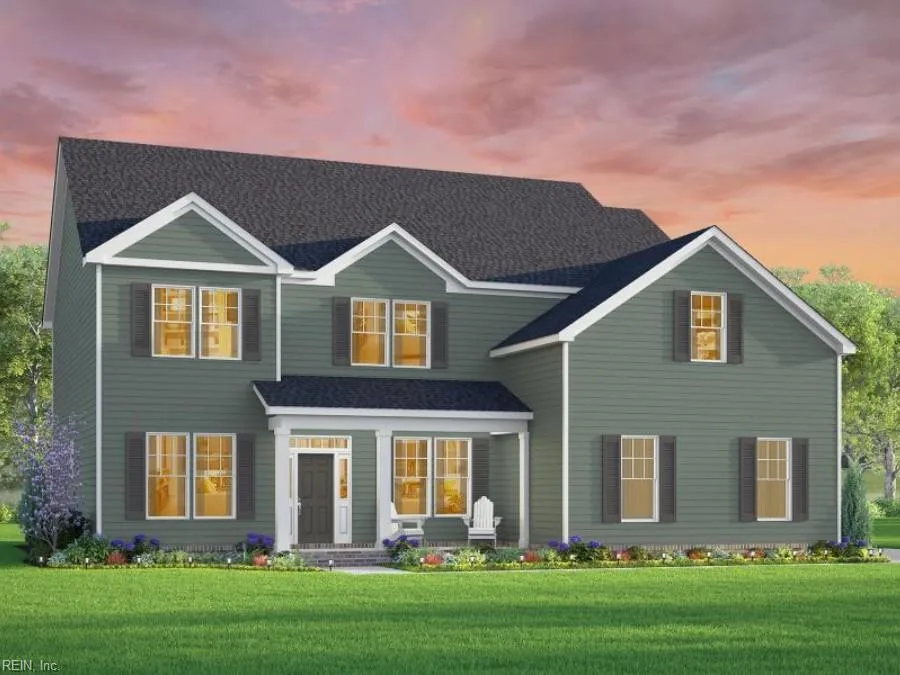
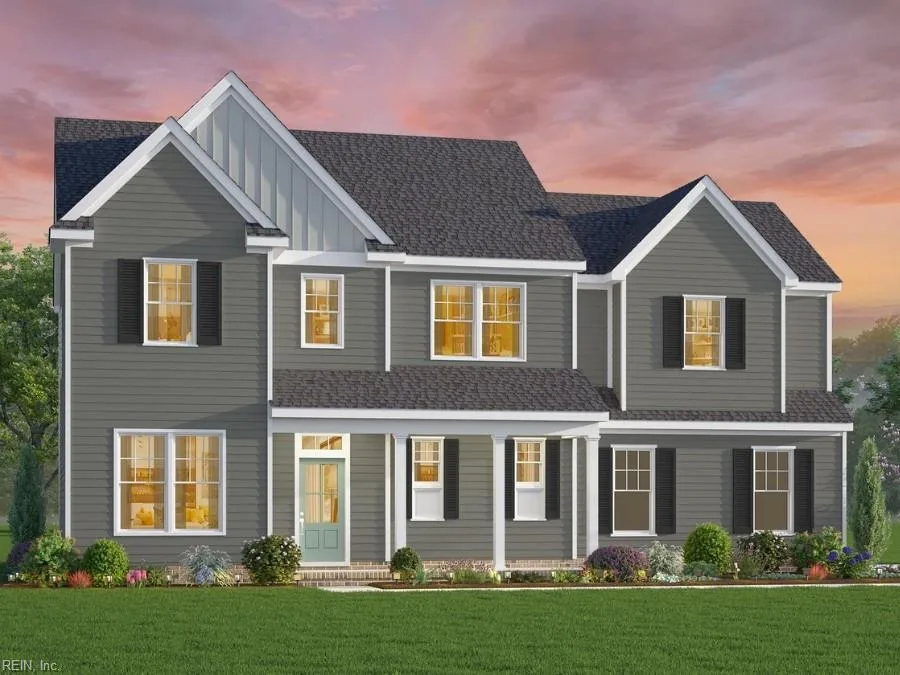
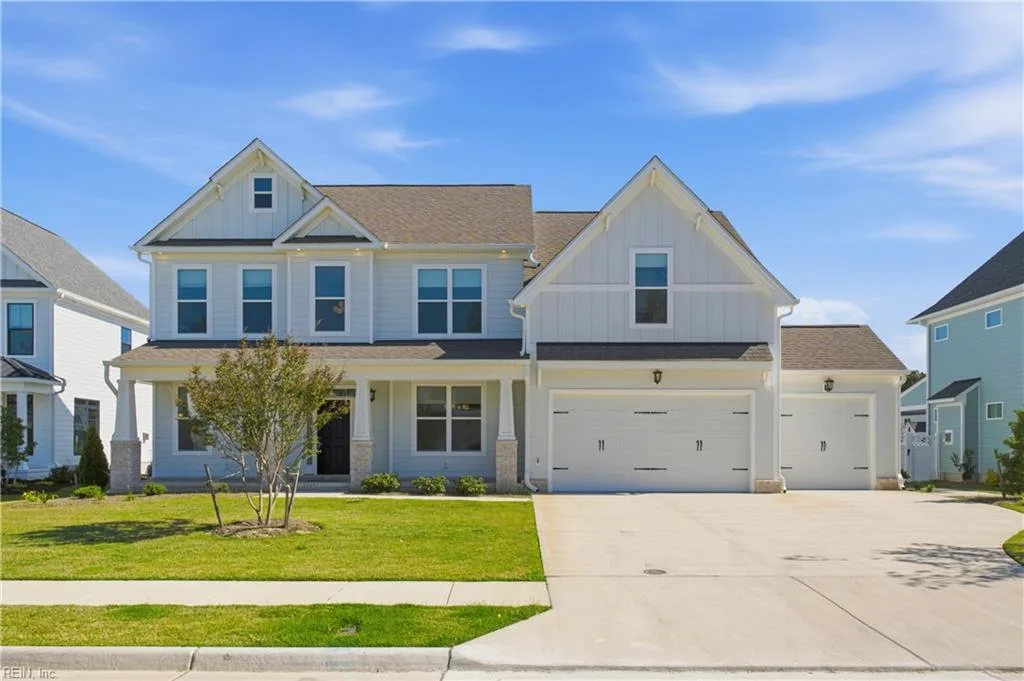
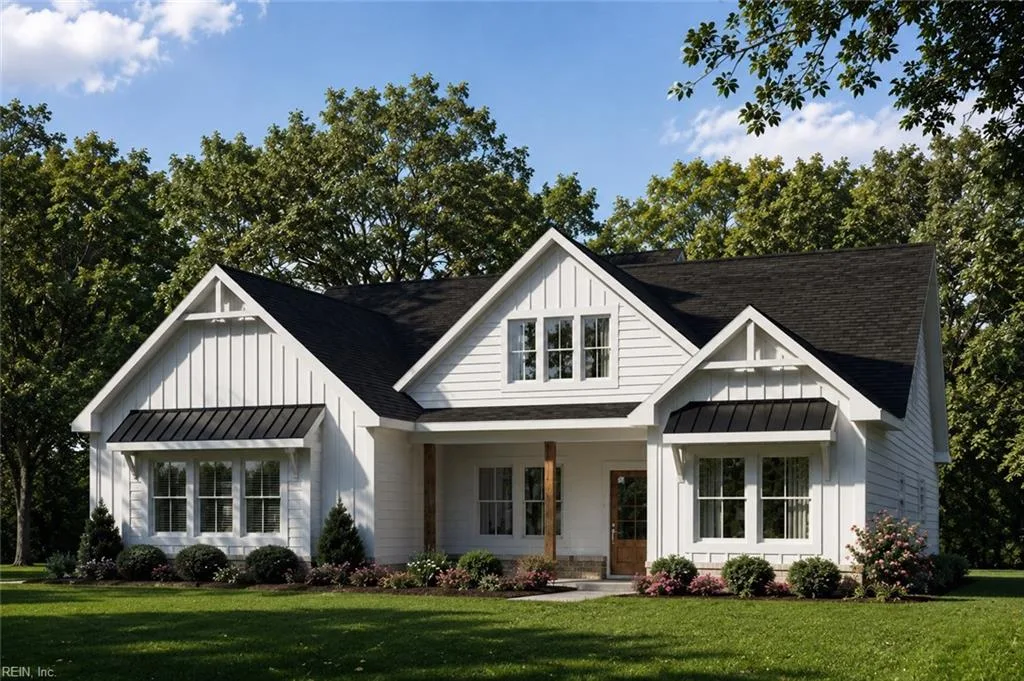
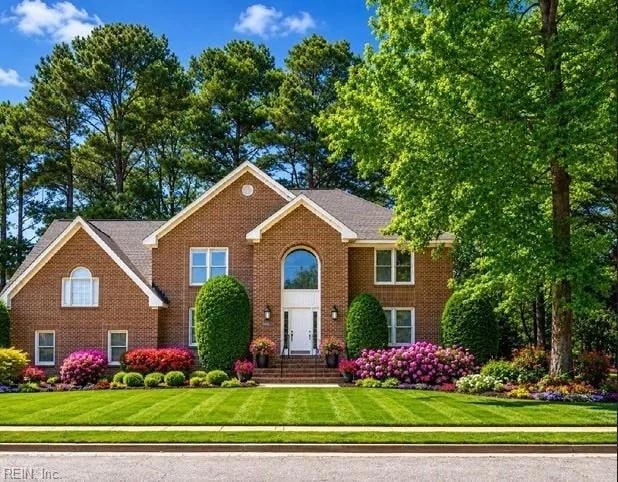
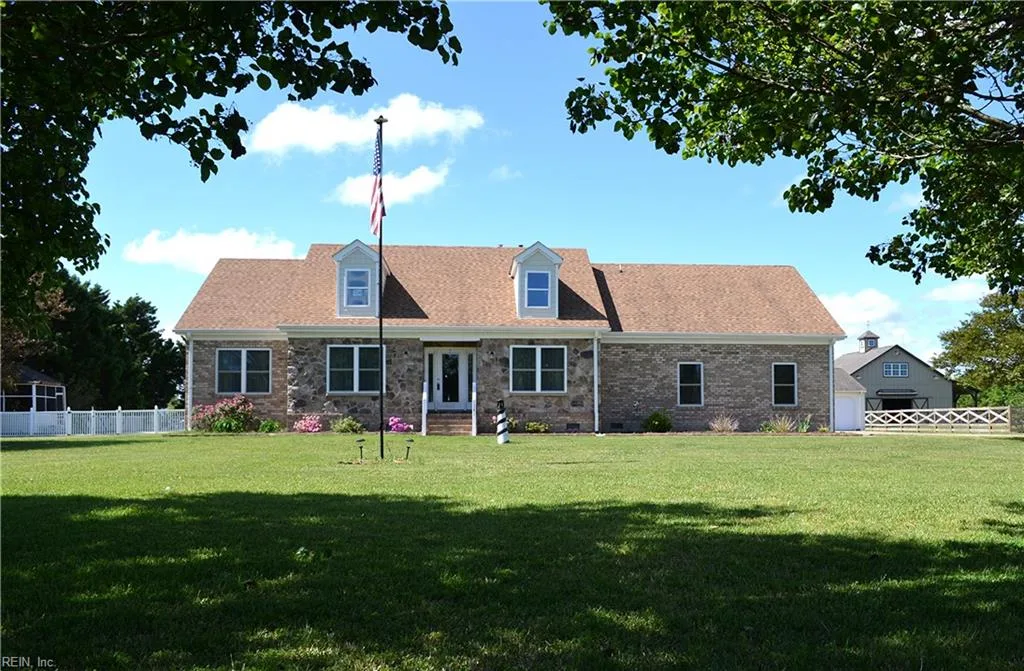
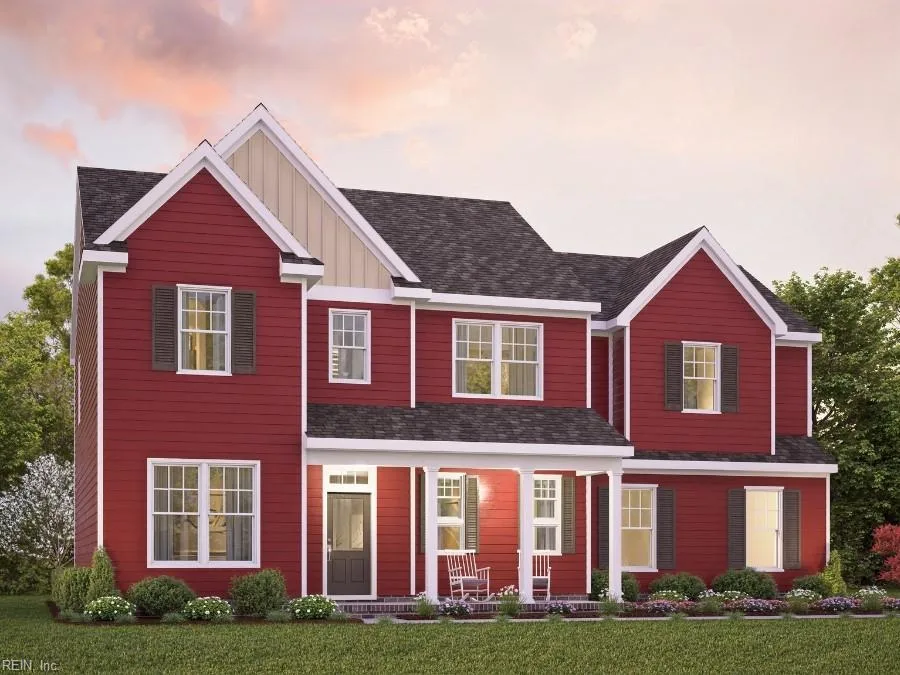
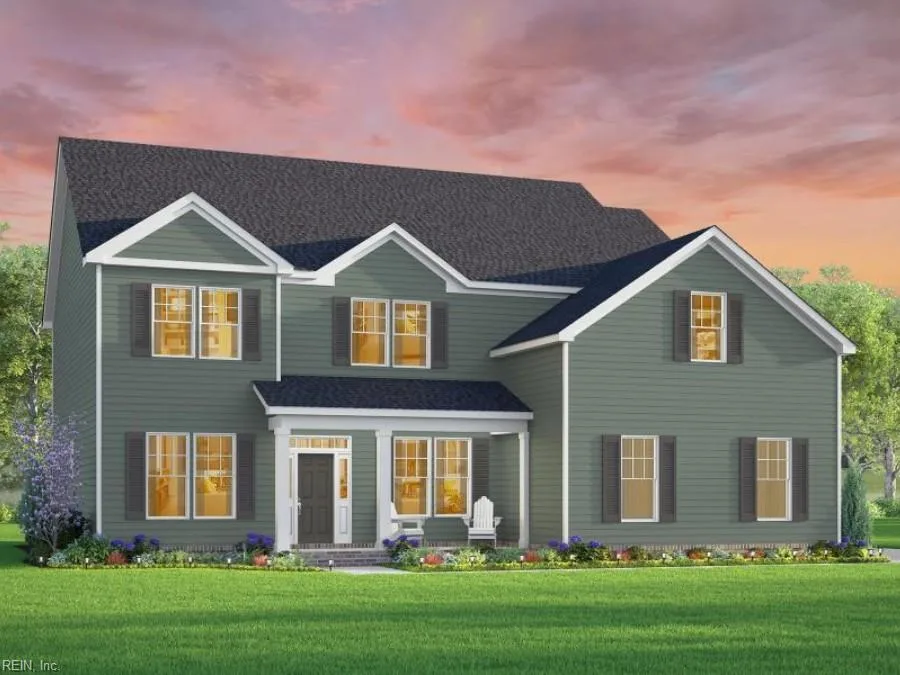
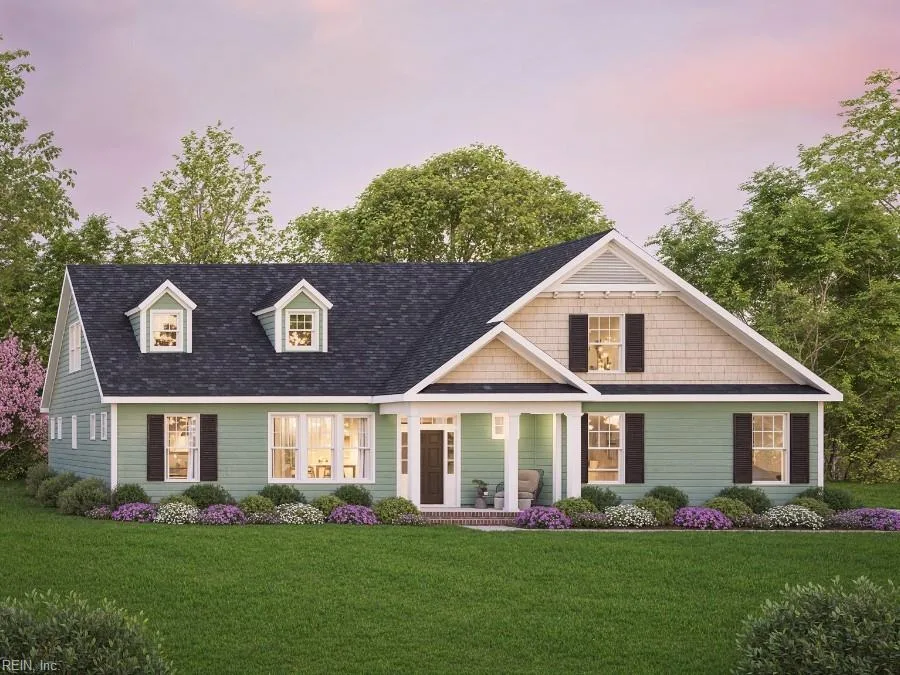
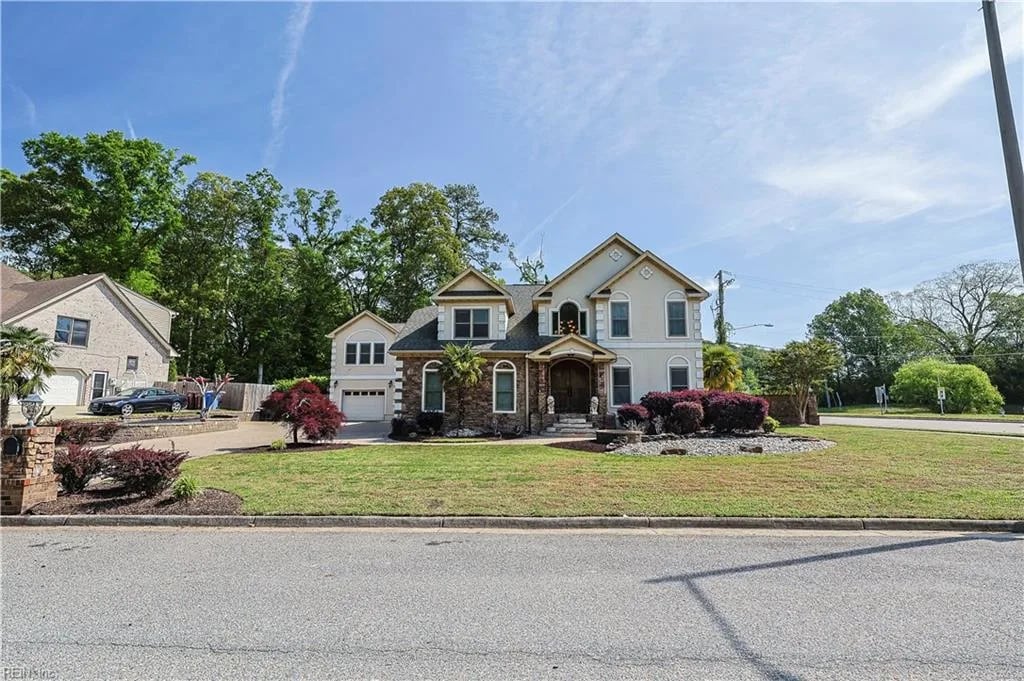
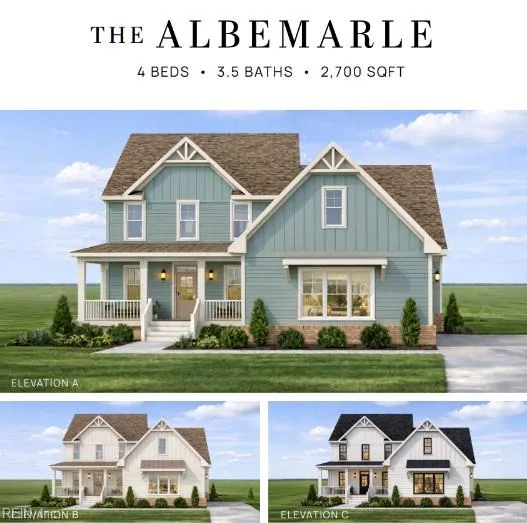
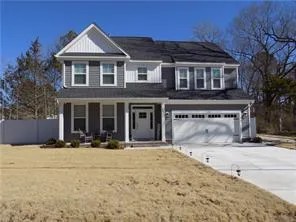
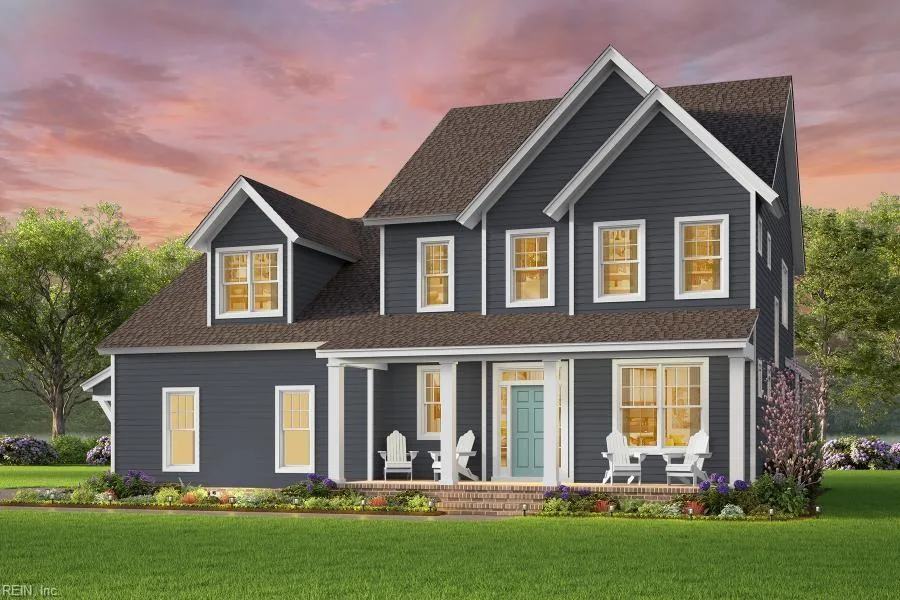
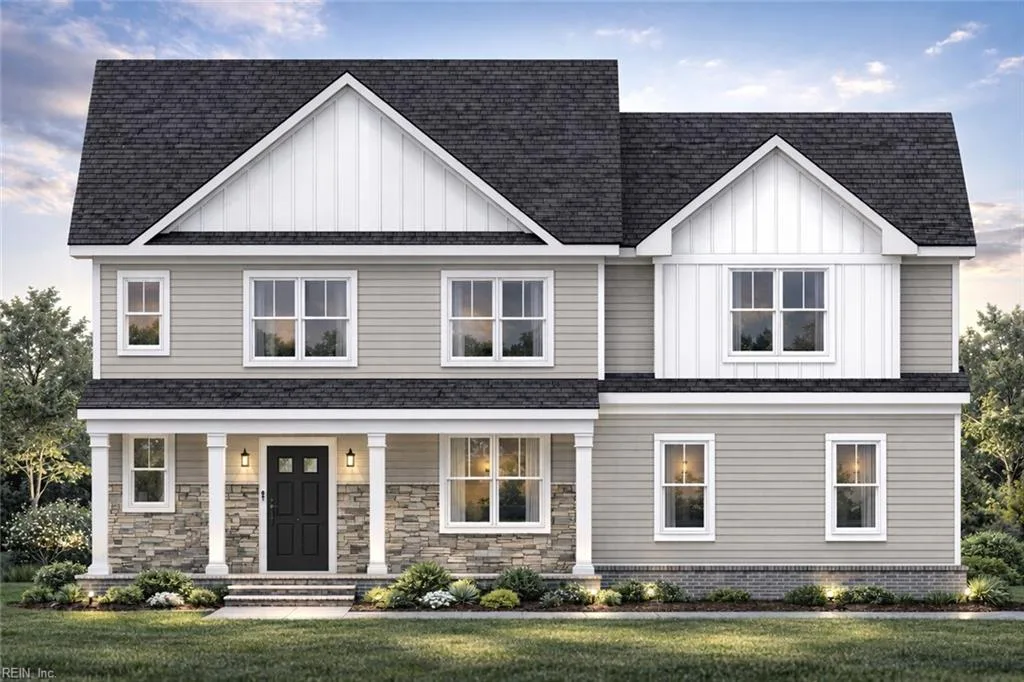
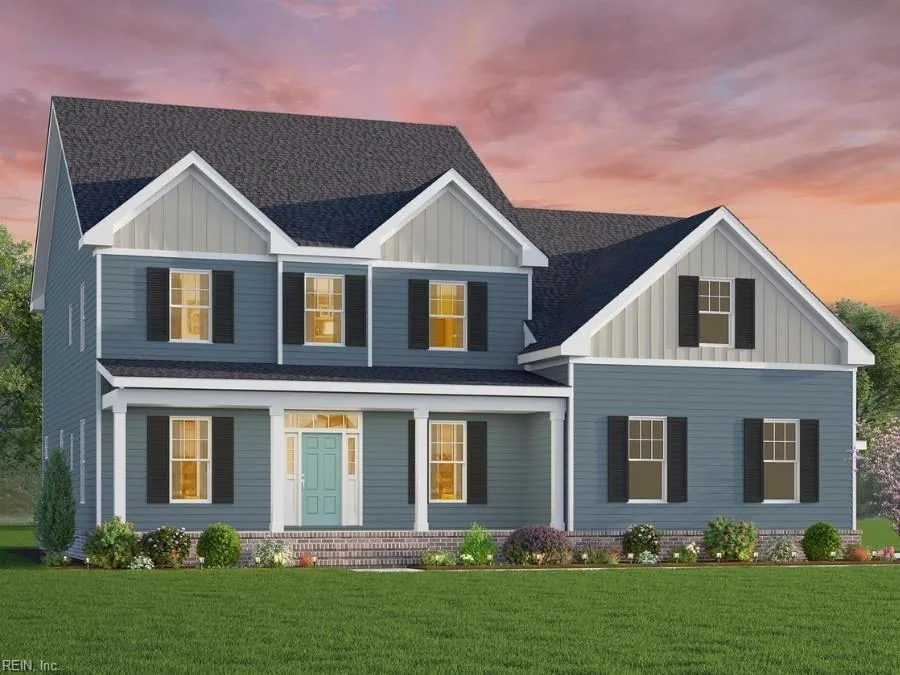
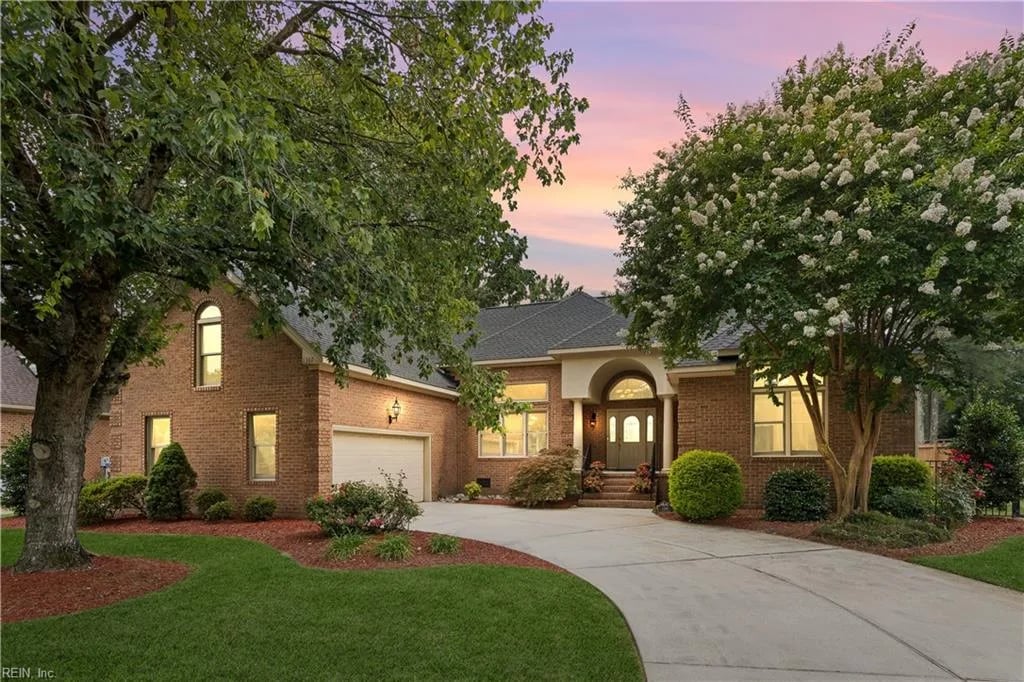
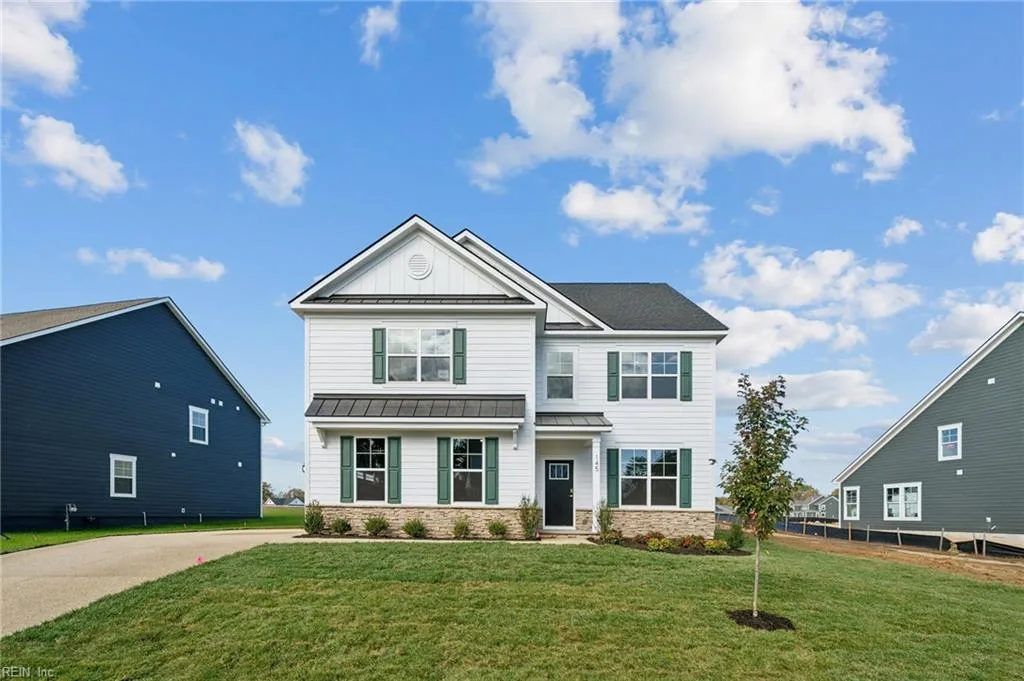
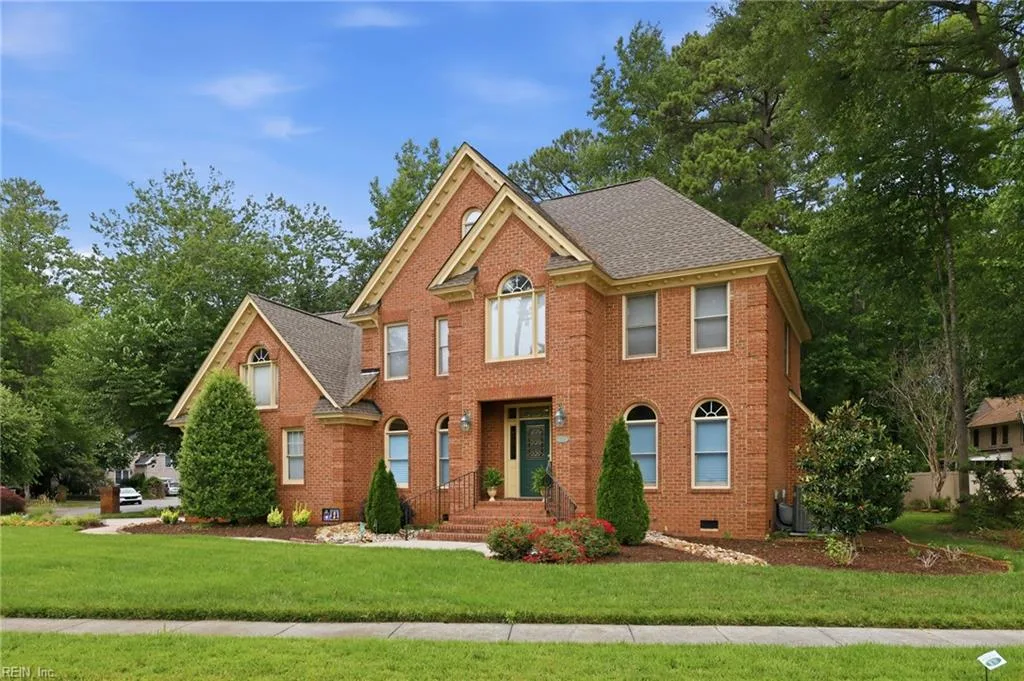
Listings & market data updated June 2026 · Live REIN MLS data
Market data
Chesapeake market snapshot
Live market
Synced live from REIN MLS, every 5 minutes| Price range | Relative share | Active listings |
|---|---|---|
| Under $300K | 179 | |
| $300K–$400K | 83 | |
| $400K–$500K | 94 | |
| $500K–$750K | 217 | |
| $750K–$1M | 72 | |
| Over $1M | 24 |
With 669 homes active and a median list price of $469,900, Chesapeake offers one of the widest price ranges in Hampton Roads — from 179 homes under $300,000 to 24 listings above $1M. At an average of 52 days on market, well-priced homes move steadily, so a saved-search alert that pings you the moment something matches is the difference between touring a home and reading its sold price.
Browse everything
Find Chesapeake homes by price, beds, type & place
Every link below is a real Chesapeake search — jump straight to exactly what you’re looking for.
By bedrooms & baths
By high-school zone(CPS attendance zones)
By ZIP code
Other Hampton Roads cities
The complete guide
Everything you need to know about buying in Chesapeake
Chesapeake sits at the southern edge of Hampton Roads, sharing borders with Virginia Beach, Norfolk, Portsmouth, Suffolk, and the North Carolina line. It is one of the largest cities by land area in Virginia, and that size shows up in the housing: brick ranches and split-levels in the older corridors near Norfolk, new-construction subdivisions clustered around Greenbrier and Grassfield, historic homes in Great Bridge, large-lot properties out toward Hickory, and waterfront parcels along the Intracoastal Waterway and the branches of the Elizabeth River. The Dismal Swamp Canal cuts the city roughly in two, and that line tells you a lot about what you'll find: developed and commute-friendly to the north, rural and open with bigger yards to the south.
Buyers come to Chesapeake for a specific combination that's hard to find elsewhere in the region: more land for the money, a public school division with a strong regional reputation, lower property taxes than several neighboring cities, and quick access to the rest of the metro by interstate. This guide walks you through how people actually get around the city, how the school division and attendance zones work, the parks and water you'll want to know about, where people shop and eat, who the big employers are, and the neighborhoods worth touring. By the time you book a showing, you'll already know the lay of the land and which part of Chesapeake fits how you want to live.
Getting around Chesapeake
Chesapeake is wrapped and crossed by interstates, which is a big part of why it works as a base for the whole region. I-64 clips the northern part of the city and is the main artery toward Norfolk, the Peninsula, and Williamsburg. I-664 runs along the western side and feeds the Monitor-Merrimac Memorial Bridge-Tunnel toward Newport News and Hampton, while I-464 connects Chesapeake directly into downtown Norfolk over the Elizabeth River. For drivers heading to the Outer Banks, the Chesapeake Expressway (Route 168) is the well-known summer route south toward Currituck and the North Carolina beaches, and locals plan around the toll plaza traffic on peak weekends.
Inside the city, Battlefield Boulevard is the north-south spine that ties Greenbrier, Great Bridge, and Hickory together, and it's the road you'll use for everyday errands across much of central Chesapeake. Dominion Boulevard and the Veterans Bridge improved the crossing over the Southern Branch of the Elizabeth River, smoothing the drive between the southern subdivisions and the I-64 corridor. Norfolk International Airport (ORF) sits just over the line in Norfolk and is roughly 20 to 30 minutes from most of the city, which keeps travel and PCS logistics simple. There's no urban rail in Chesapeake, so plan your commute around the bridges and tunnels, and check whether a given neighborhood drains onto I-64, I-464, or I-664 before you fall in love with it.
Interstate-rich
I-64, I-464, and I-664 all run through or border the city, connecting Chesapeake to Norfolk, the Peninsula, and the rest of Hampton Roads.
The Outer Banks route
The Chesapeake Expressway (Route 168) is the main summer corridor south to the North Carolina beaches, so expect heavier weekend traffic near the toll plaza.
Battlefield Boulevard
This is the central north-south road linking Greenbrier, Great Bridge, and Hickory, and it carries most of the city's everyday traffic.
Airport access
Norfolk International (ORF) is about 20 to 30 minutes from most Chesapeake neighborhoods, making travel and military moves straightforward.
Schools in Chesapeake
Chesapeake Public Schools is one of the larger divisions in Hampton Roads and one of the most sought-after by buyers, with a long list of elementary, middle, and high schools spread across the city's wide footprint. Which schools a home is zoned for depends entirely on its address, since the division draws attendance boundaries by geography rather than by neighborhood name. That's why two houses a few minutes apart can feed different schools, and it's the single most important thing to verify before you write an offer if schools are driving your search. On VaHome we tie listings to their high-school zones, so you can filter and browse by the zone that matters to you instead of guessing.
The division is known regionally for the schools serving the Hickory, Grassfield, and Great Bridge areas, which is a frequent reason buyers concentrate their search in those parts of the city. Chesapeake also operates specialty and academy programs, including the Governor's STEM Academy at Grassfield High School and career and technical pathways housed within its high schools, alongside Advanced Placement coursework across the division. For higher education, residents are within a short drive of Old Dominion University and Norfolk State University in Norfolk, Tidewater Community College's regional campuses, and Regent University in Virginia Beach, so college options are close without leaving the area. Verify current zoning and any program details directly with the division before you commit, since boundaries and offerings can change year to year.
Chesapeake Public Schools
One of the larger and most sought-after divisions in Hampton Roads, with schools spread across the city's wide footprint.
Zoning is by address
Attendance boundaries are drawn by geography, so confirm a specific home's zone before you make an offer if schools matter to you.
Specialty programs
The division runs the Governor's STEM Academy at Grassfield plus career-and-technical pathways and Advanced Placement coursework within its high schools.
Higher education nearby
Old Dominion, Norfolk State, Tidewater Community College, and Regent University are all a short drive away.
Parks and recreation
Chesapeake's open space is one of its quiet advantages, and a lot of it is built around water. Chesapeake City Park anchors the central part of the city with trails, a lake, and the open lawns that host community events through the year. Out south, Northwest River Park offers a more rural feel with camping, paddling, equestrian trails, and a fragrance garden along the Northwest River. The Dismal Swamp Canal Trail follows the historic canal for miles and is a favorite for cycling, running, and birding, while the adjacent Great Dismal Swamp National Wildlife Refuge protects one of the largest remaining wild areas on the East Coast, with boardwalks, Lake Drummond, and abundant wildlife.
Water is woven through daily life here. The Intracoastal Waterway and the branches of the Elizabeth River give boaters direct access to the wider Chesapeake Bay system, and waterfront and canal-front homes in the southern and eastern parts of the city often come with private docks or community boat ramps. Great Bridge carries real historical weight as the site of the 1775 Battle of Great Bridge, an early Revolutionary War engagement, and the locks and battlefield area draw visitors and host commemorative events. Between the parks, the trails, and the water access, Chesapeake leans outdoors in a way that's easy to underestimate until you live here.
Shopping and dining
Greenbrier is the commercial center of gravity in Chesapeake. Greenbrier Mall anchors the district, and the surrounding shopping area along Greenbrier Parkway and around the interstate is dense with big-box retailers, grocery stores, national chains, and a deep run of restaurants, from quick lunches near the office parks to sit-down dinners. For most of the northern and central city, Greenbrier is where you go when you want everything in one trip, and its proximity to I-64 makes it an easy stop on the way home.
Beyond Greenbrier, retail is spread along the major corridors rather than concentrated in a single downtown. Battlefield Boulevard carries a steady mix of shops, services, and local eateries through Great Bridge and into Hickory, and newer commercial centers have grown up alongside the Grassfield subdivisions to serve the south end. Dining leans toward Hampton Roads staples, with plenty of seafood, barbecue, and family-run spots mixed in with the chains. The practical takeaway for buyers: pick a part of the city and you'll have a nearby retail hub, but if one-stop shopping and the widest selection matter to you, weigh how close a home sits to the Greenbrier district.
The Chesapeake economy
Chesapeake's economy is diverse for a city its size, with strength in distribution and logistics, retail, healthcare, and government, plus a deep tie to the regional military and shipbuilding economy. The Greenbrier corridor concentrates office, retail, and corporate employment, and the city's interstate access and proximity to the Port of Virginia make it a natural hub for warehousing and distribution operations. Chesapeake Regional Medical Center is a major local employer and the anchor of healthcare in the city, and St. Juliens Creek Annex, a Navy installation, lies within Chesapeake itself.
What this means for buyers is steady, broad-based demand rather than reliance on any single industry. Chesapeake is also a popular choice for military buyers precisely because it isn't built around one base. From much of the city you can reach Naval Station Norfolk, Norfolk Naval Shipyard in Portsmouth, and NAS Oceana in Virginia Beach on a manageable commute, which lets a household pick a home for the schools, the lot size, or the water access without being locked to one duty station's gate. That commute flexibility, combined with the city's larger lots and comparatively lower property taxes, keeps Chesapeake in steady demand across both military and civilian buyers.
A guide to Chesapeake neighborhoods
Chesapeake is big enough that "which neighborhood" really means "which part of the city," and the canal line is the simplest way to think about it. North and central areas are more developed and closer to Norfolk and I-64; the south is more rural, with larger lots and more water. Here's how the areas with their own pages on VaHome group together, and you can browse current listings in any of them from the neighborhood links below.
Greenbrier and the north
This is the developed, commute-friendly side of the city, built around the Greenbrier shopping district and quick access to I-64 and Norfolk. Greenbrier itself mixes established subdivisions with newer construction, and neighboring areas like Edinburgh, Hearthstone at Greenbrier, and Battlefield Commons offer a range from townhomes to single-family homes. It's a practical pick for buyers who want shopping, dining, and an easy drive to work close at hand.
Great Bridge and Hickory
Central Chesapeake along Battlefield Boulevard pairs a strong school reputation with bigger yards, which is a frequent reason buyers concentrate their search here. Great Bridge carries the historic Battlefield district and a well-regarded school cluster, while Hickory and Hickory Ridge, Hickory Signal, Camelot, Woodlake, and Avalon lean toward larger-lot, established homes farther from the interstate. Grassfield, on the south side, has been one of the city's busier areas for newer construction. This corridor sits at the center of what draws buyers to Chesapeake.
Western Branch
On the city's west side, toward Portsmouth and Suffolk, Western Branch is an established, leafy part of Chesapeake with its own schools and a settled, residential feel. Bellingham, Summer Park, and Brandermill sit in this part of the city, and I-664 access makes the Peninsula reachable via the Monitor-Merrimac. It appeals to buyers who want a mature neighborhood with mature trees and a slightly quieter pace than the Greenbrier side.
South and waterfront
South of the canal the city opens up. Deep Creek offers more affordable options with convenient interstate access, while The Riverfront, Waterfront Chesapeake, Indigo Park, and Chesapeake Southside put boating, canal-front, and Elizabeth River-adjacent living within reach. This is the area to focus on if dock access, larger parcels, or a more rural setting are at the top of your list, just keep flood considerations in mind, which we cover below.
Built for Hampton Roads military
PCSing to Chesapeake? Start with your BAH and your base.
We’re not veterans — we’re the local agents who help military families land here, often buying remotely on short orders. We’ll match homes to your housing allowance and your real commute, and walk you through the VA-loan process step by step.
NAS Oceana
Central Virginia Beach — the largest master jet base in the country
JEB Little Creek–Fort Story
North Virginia Beach, near Chic’s Beach and Bayside
Naval Station Norfolk
The world’s largest naval base, via I-64 / I-264
Joint Base Langley–Eustis
Peninsula side, near Hampton and Newport News
Military tools on every listing
- 📍 Drive times to every major installation
- 💰 BAH-aware search and payment context
- 🎖️ VA-loan-friendly lender network
- 🌊 FEMA flood zone shown before you fall in love
- 📱 Remote tours when you can’t be here yet
The buying process
The Chesapeake buying process
Buying in Chesapeake follows the standard Virginia path, with a few local wrinkles worth knowing. Here's how the process typically runs.
Get pre-approved
Talk to a lender first so you know your real budget and can move fast. If you're using a VA loan, a local lender familiar with Hampton Roads and with St. Juliens Creek Annex and the nearby bases can keep an offer competitive. Pre-approval tells sellers you're serious.
Tour and make an offer
Decide which part of the city fits first, since a Greenbrier townhome and a south-of-the-canal waterfront lot are very different searches. Tour with an agent who knows the school zones and the canal-line geography, then write an offer that reflects current Chesapeake conditions on the home you want.
Inspect and appraise
Order a home inspection and let the appraisal confirm value. In Chesapeake, pay attention to drainage, septic versus public sewer in the more rural south, well water in some areas, and any waterfront or canal-front structures like docks and bulkheads. Negotiate repairs from what the inspection turns up.
Close and get the keys
Final walkthrough, sign at the closing table, and the home is yours. A local closing attorney or title company will handle the Virginia paperwork, and your agent confirms zoning, any HOA details, and utility transfers so move-in day in Chesapeake goes smoothly.
Flooding is a genuine consideration in parts of Chesapeake, especially south and east of the canal and anywhere near the Intracoastal Waterway, the Elizabeth River branches, the Northwest River, or the low-lying ground bordering the Great Dismal Swamp. Some homes sit in FEMA-designated flood zones, which can require flood insurance and affect your monthly cost. Always pull the flood-zone determination on a specific property, ask about prior flooding and any elevation certificate, and factor potential flood-insurance premiums into your budget before you commit. A local agent can flag which neighborhoods carry higher flood risk so there are no surprises after closing.
The local-expert advantage
Why Chesapeake buyers start here
The national sites are databases that sell your info to whichever agent pays the most. We’re the actual local agents — with data the portals don’t show you.
Your local agents
Tom & Dariya Milan
REALTORS® · LPT Realty · Hampton Roads, VA
We’re a husband-and-wife team who live and work right here in Hampton Roads, and Chesapeake is home base. When you reach out, you get the two of us — not a junior associate, not a call center, not a lead form sold to the highest bidder. We’ve walked first-time buyers, move-up families, and military households on PCS orders through this exact market, and we built VaHome so the search experience would be as good as the local knowledge behind it.
Our promise is simple: real data, straight answers, and the same two people from your first question to your closing table. We’ll tell you when a home is overpriced, when a flood-insurance estimate changes the math, and when the right move is to wait.
Browse Chesapeake homes by neighborhood
Want new Chesapeake listings the minute they hit the MLS?
Tell us where to send them — we'll email you matching homes as they're listed. No spam, unsubscribe anytime.
Free new-listing alerts from the VaHome Team. No spam — unsubscribe anytime.
Common questions about Chesapeake real estate
Where can I find Chesapeake homes for sale right now?
+
The listings grid above shows current Chesapeake inventory from the REIN MLS, refreshed continuously. Click into any listing for full details. Use /listings/?city=Chesapeake to refine by price, bedrooms, or property type.
What is real estate like in Chesapeake, VA?
+
Chesapeake real estate is suburban-leaning, with newer subdivisions in northern areas, established single-family neighborhoods in the middle, and rural/waterfront acreage in the south. Property taxes are among the most favorable in the region, and lot sizes tend to be larger than in Virginia Beach or Norfolk — making Chesapeake a popular choice for families wanting more space without leaving the metro area.
Are houses for sale in Chesapeake good for families?
+
Chesapeake Public Schools are consistently among the highest-rated in Hampton Roads, and the city has invested heavily in parks, libraries, and recreation centers. Greenbrier, Western Branch, and Great Bridge are particularly popular family neighborhoods. A VaHome agent can help you align school zone preferences with current inventory.
Does Chesapeake have waterfront homes?
+
Yes — Chesapeake has substantial waterfront inventory along the Intracoastal Waterway, the Elizabeth River branches, and assorted creeks. Dock-out and deep-water properties trade at premium prices and are popular with boating buyers. Use the search to filter for waterfront-adjacent neighborhoods.
Explore nearby cities
Get a custom list of Chesapeake homes that fit your life
Tell us your budget and must-haves and we’ll hand-pick matching homes — and alert you the minute new ones hit the MLS. No spam, no obligation. When you message us, you get us — Tom & Dariya — not a call center.
Tom & Dariya Milan, Realtor® | LPT Realty · ⭐ 4.9 on Google
About the Hampton Roads Real Estate Market
Hampton Roads is one of the most dynamic real estate markets on the East Coast, anchored by the largest naval complex in the world at Naval Station Norfolk and home to roughly 120,000 active-duty, reserve, and civilian Department of Defense personnel. The region spans seven cities — Virginia Beach, Norfolk, Chesapeake, Suffolk, Portsmouth, Hampton, and Newport News — plus the Peninsula communities of Williamsburg, Yorktown, and Poquoson, with each market carrying its own personality, school district, and price profile.
Buying or selling here means thinking about more than just a house. Tidewater geography means flood zones, hurricane preparation, and waterfront premiums matter. Military presence means BAH affordability, PCS season inventory crunches (May through August), and VA loan eligibility are top of mind for a meaningful share of every neighborhood. School quality varies block by block, especially across the seven independent city school divisions, and is often the deciding factor for relocating families.
Why Buyers and Sellers Choose VaHome
The VaHome Team — Tom and Dariya Milan with LPT Realty — focuses on the Hampton Roads region with deep expertise in military relocation, VA financing, and the trade-offs that local buyers actually face. From listing strategy that gets your home in front of the right relocating buyer to buyer representation that respects your BAH cap and PCS timeline, the team treats every transaction as a long-term relationship. The site is built to make decisions clearer: BAH-aware search, drive-time mapping to every major installation, neighborhood guides written by people who live here, and a calculator that shows real monthly cost — taxes, insurance, HOA, and PMI included — instead of a teaser headline number.
Plan Your Next Move
Whether you are buying your first home with a VA loan, moving up while your kids transition between school districts, or selling a Hampton Roads property to relocate to your next duty station, the resources on this site are organized around the questions you are actually asking. Browse listings filtered by base proximity, paygrade-aware BAH cap, and commute time. Read neighborhood guides for Virginia Beach, Norfolk, Chesapeake, Suffolk, Hampton, Newport News, Williamsburg, and the Peninsula communities. Use the mortgage calculator to compare conventional, FHA, VA, USDA, and jumbo loan scenarios side by side. When you are ready to talk, the contact form goes directly to a specialist who knows the area, the lenders, and the timing.