Suffolk, Virginia · Live REIN MLS
Homes for Sale in Suffolk, VA
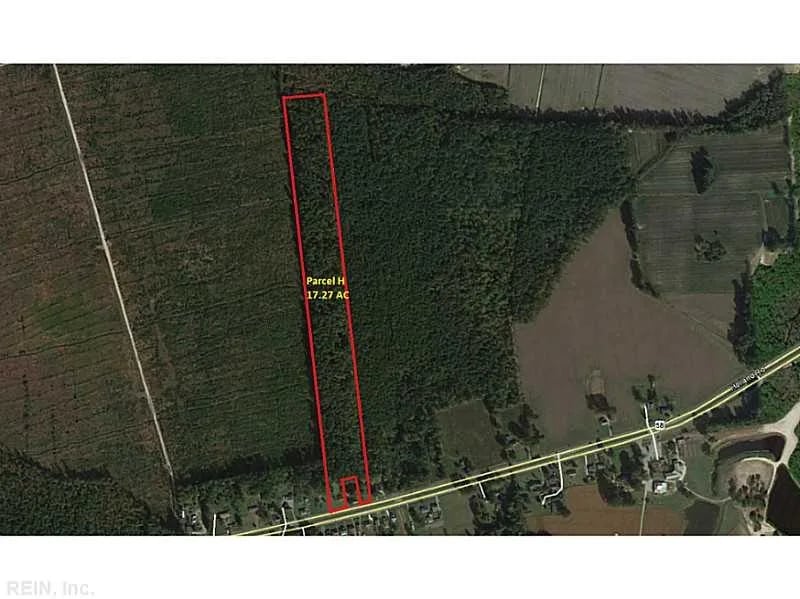
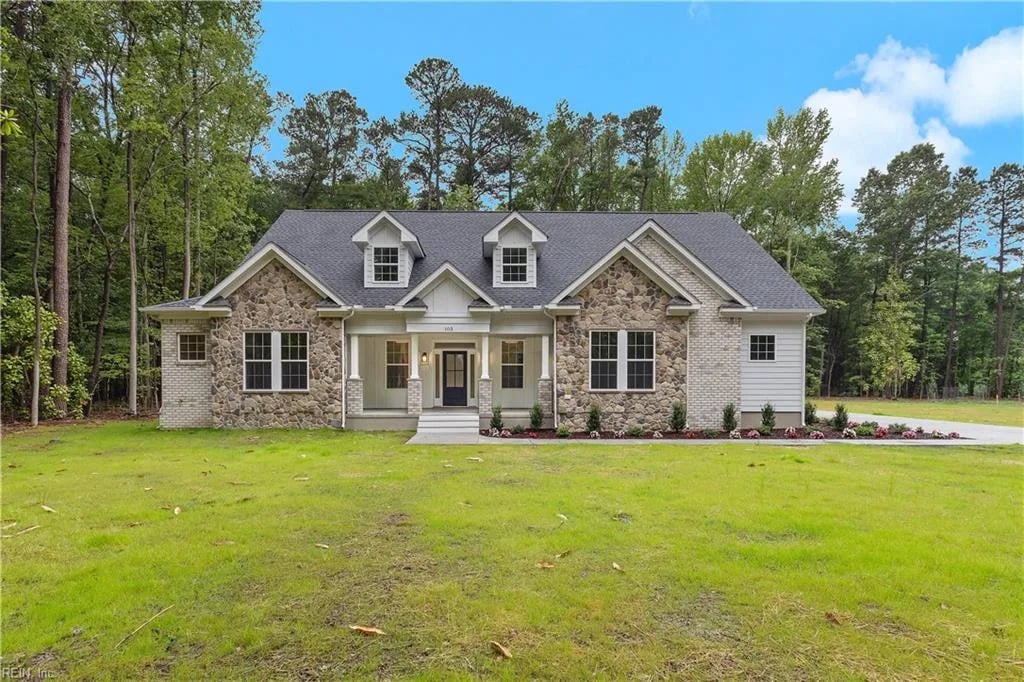
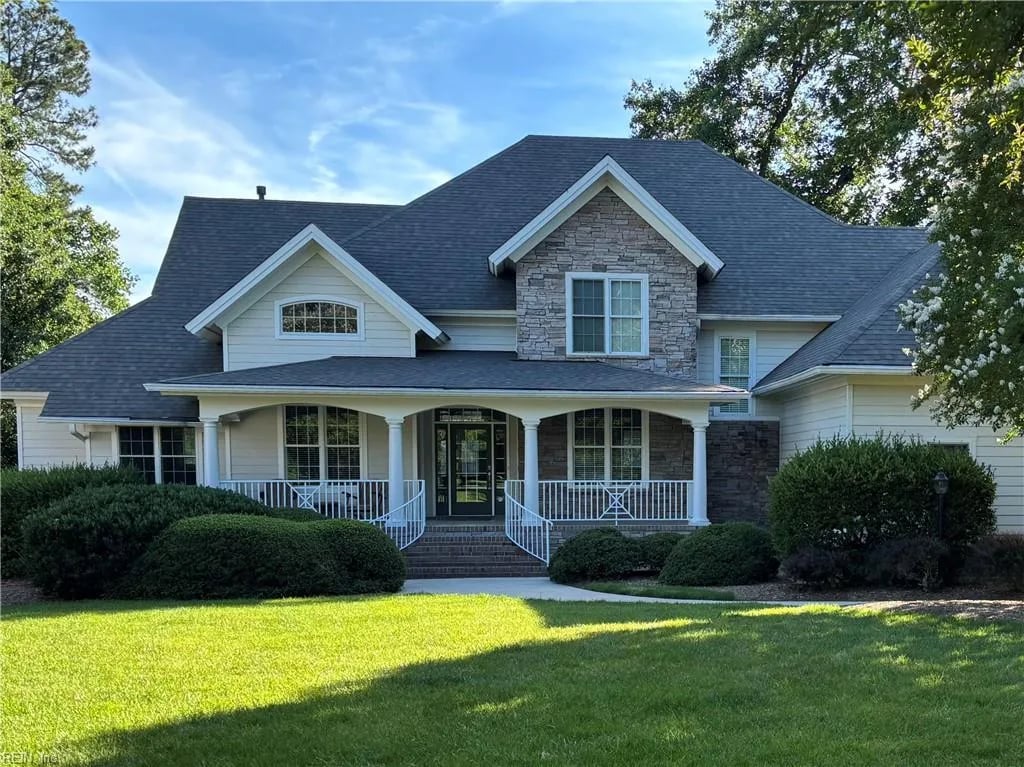
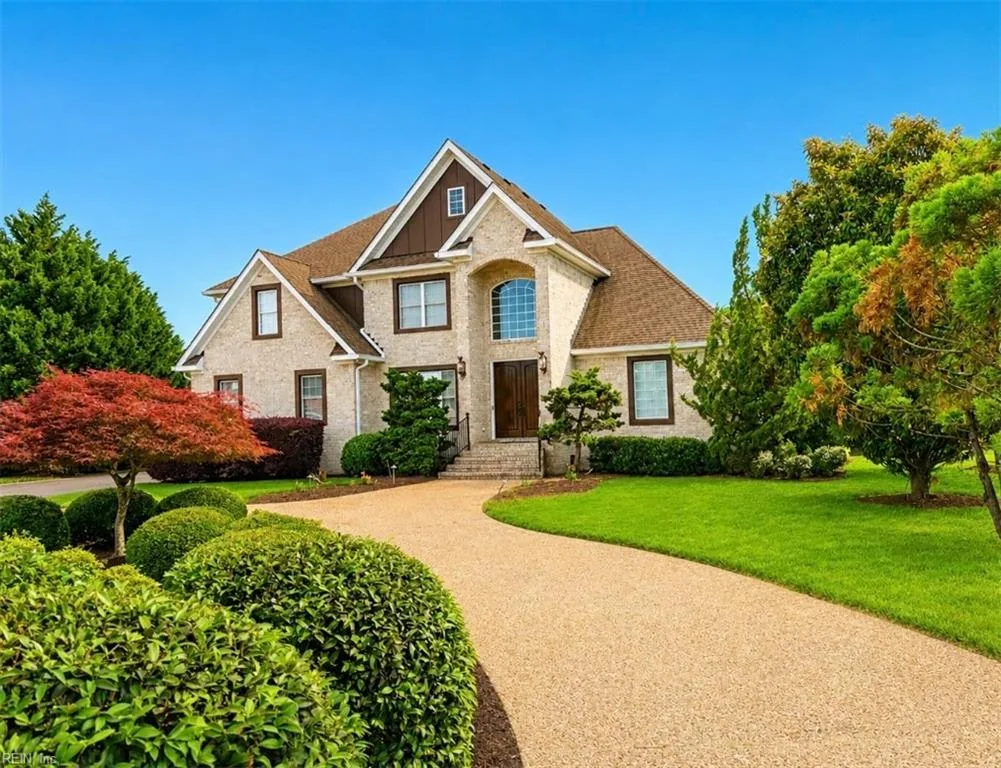
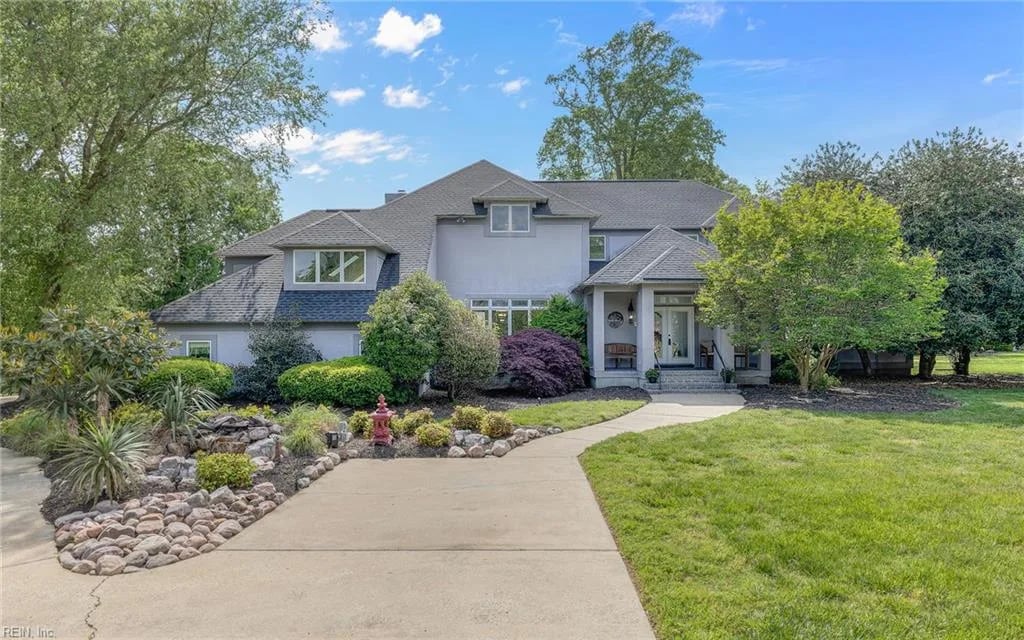
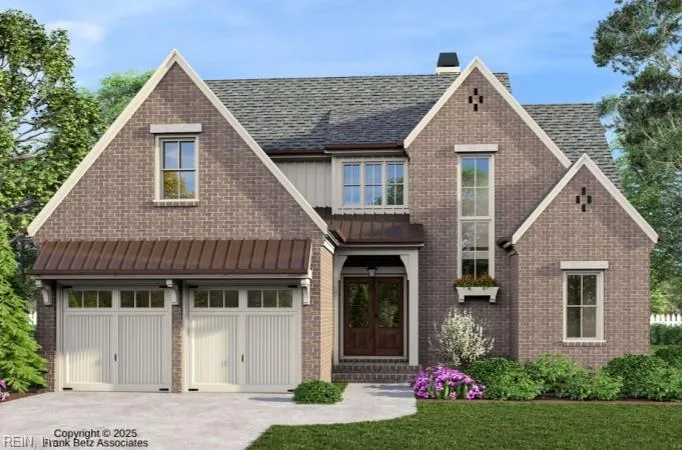
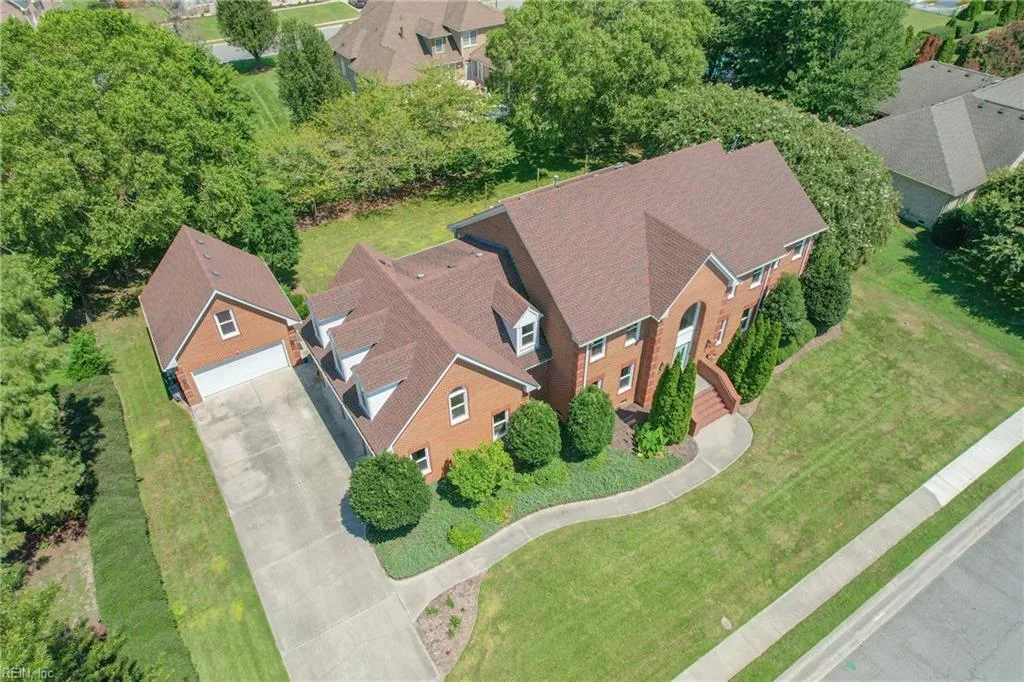
577 active Suffolk listings, pulled straight from the REIN MLS and refreshed every 5 minutes. Real local agents, flood zones shown upfront, zero spam.
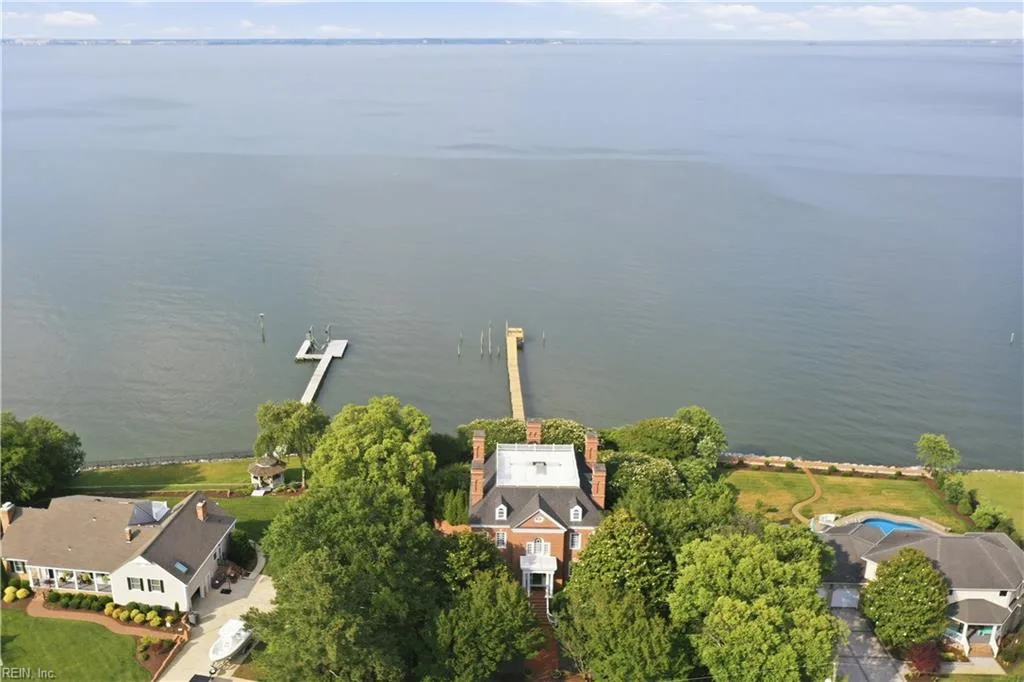
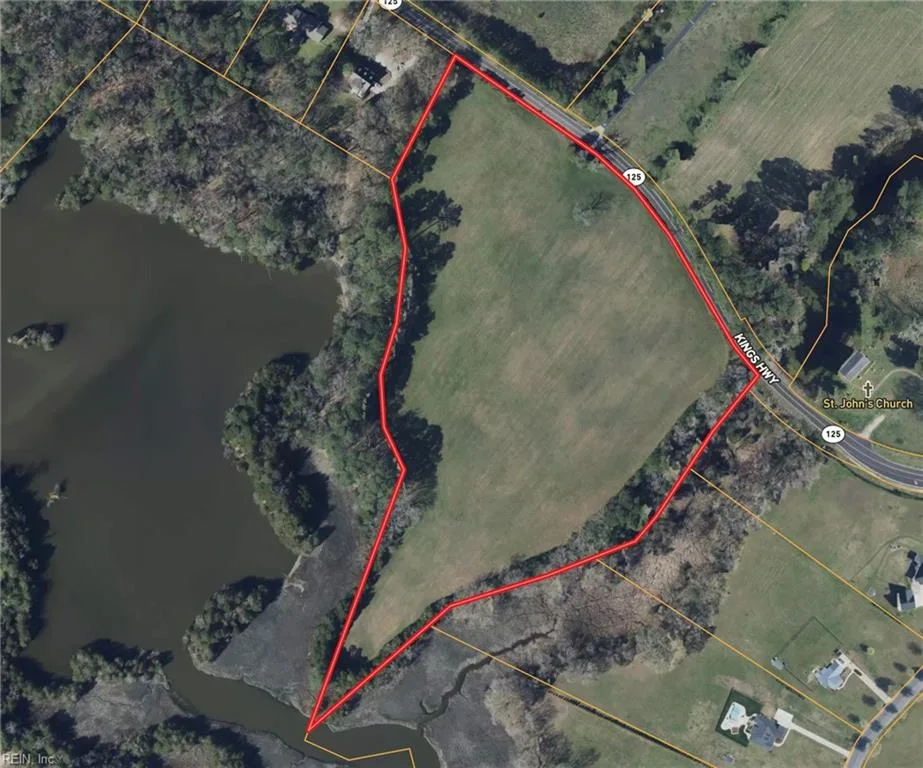
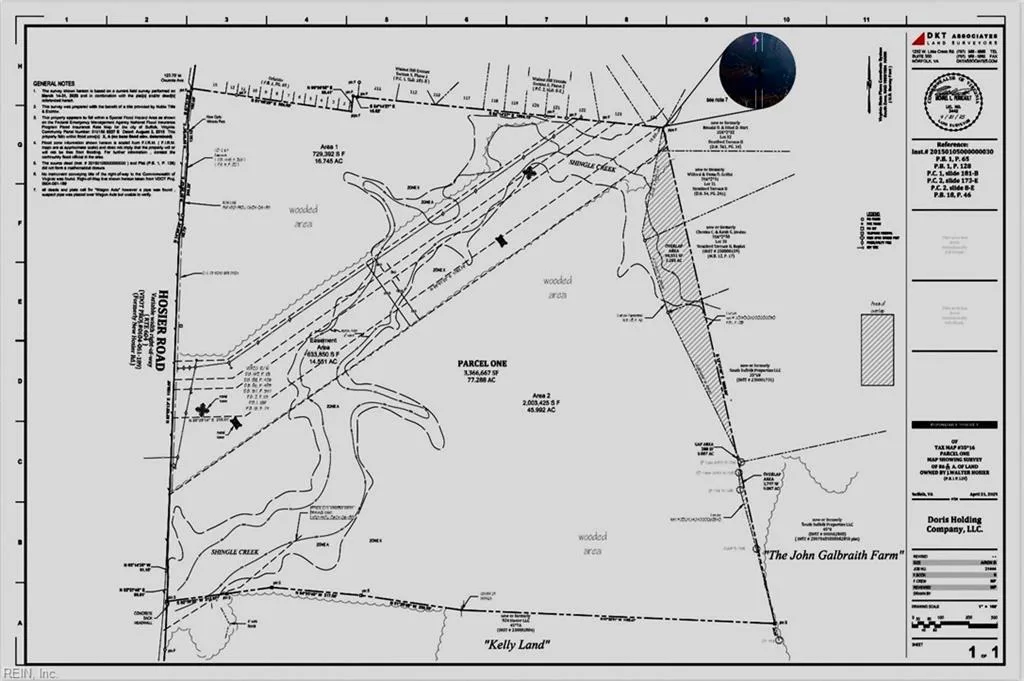
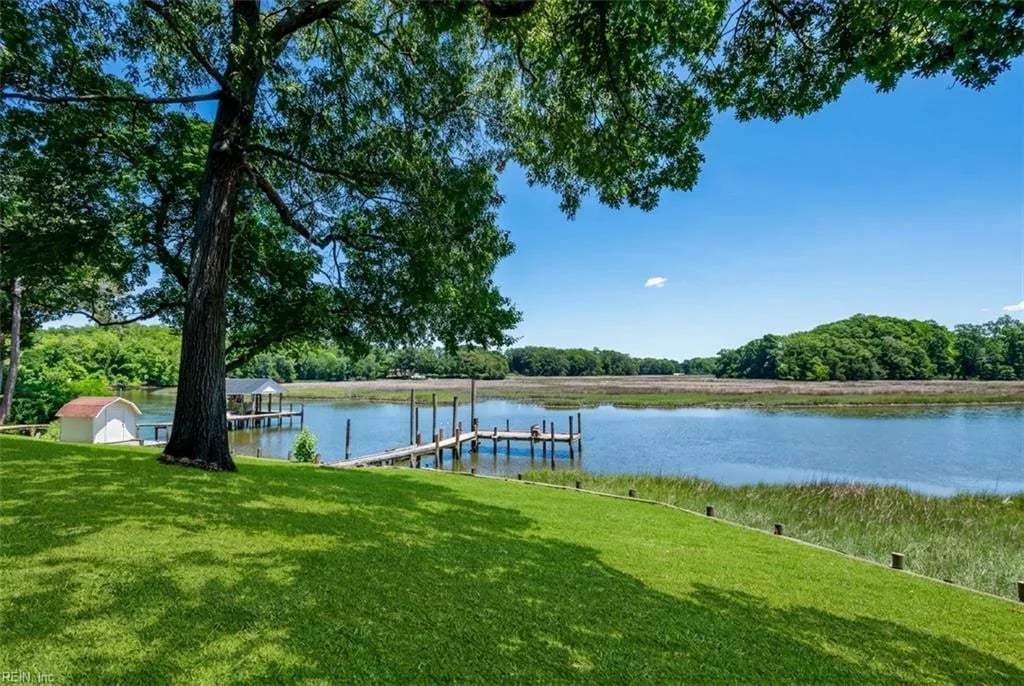
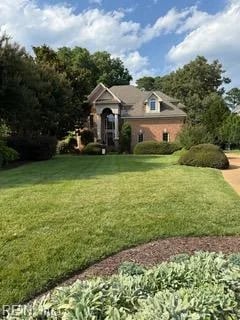
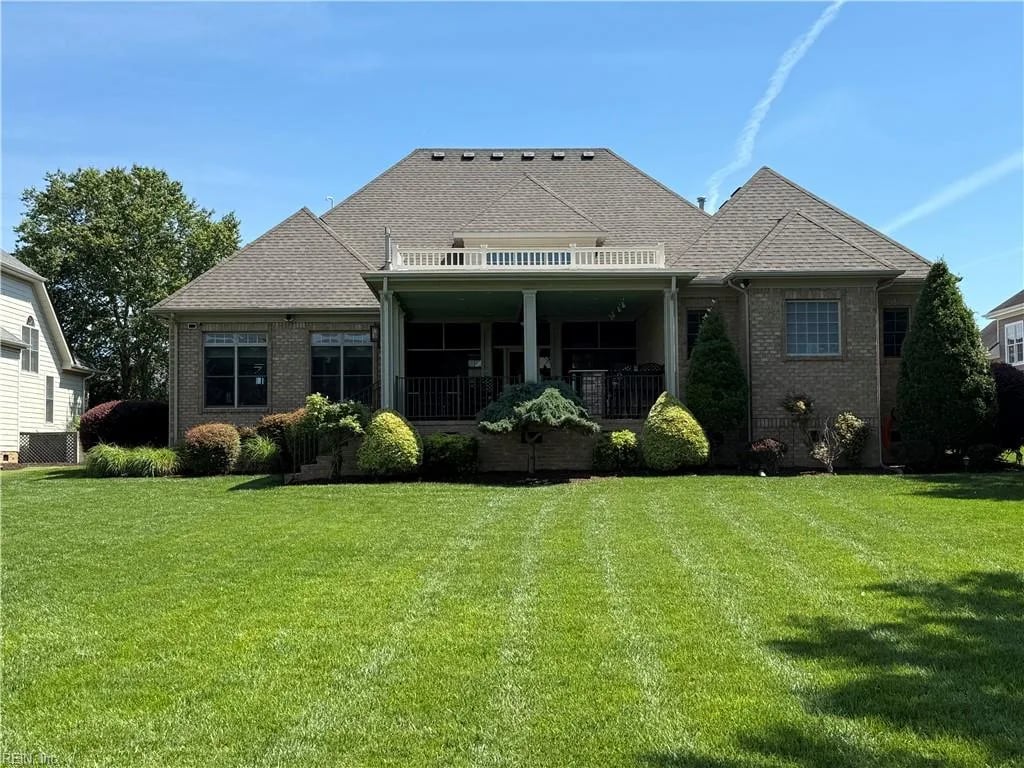
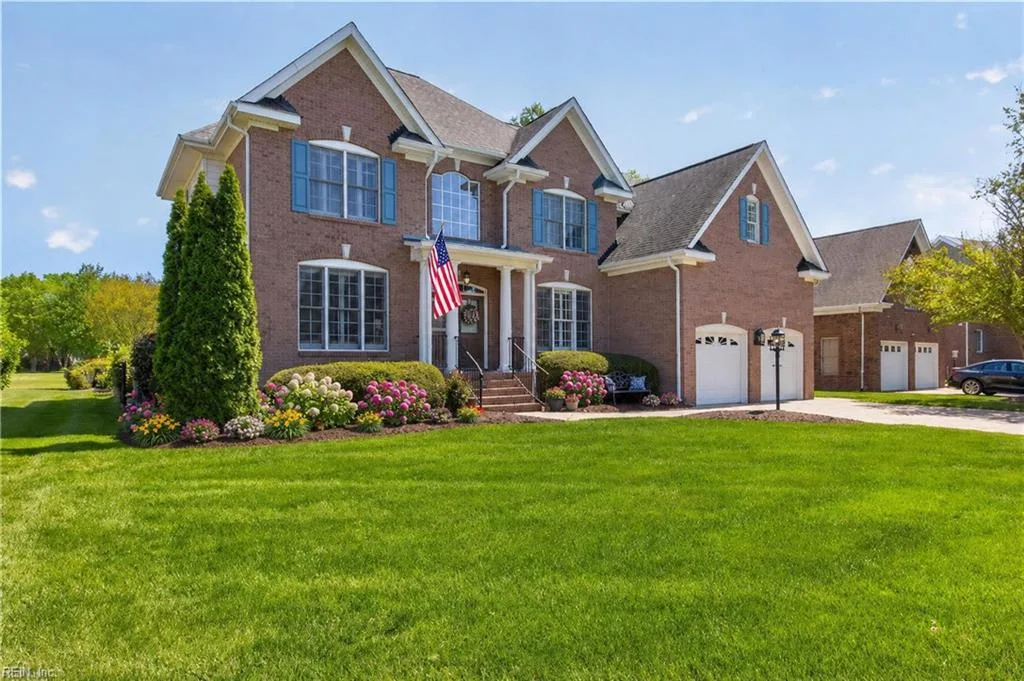
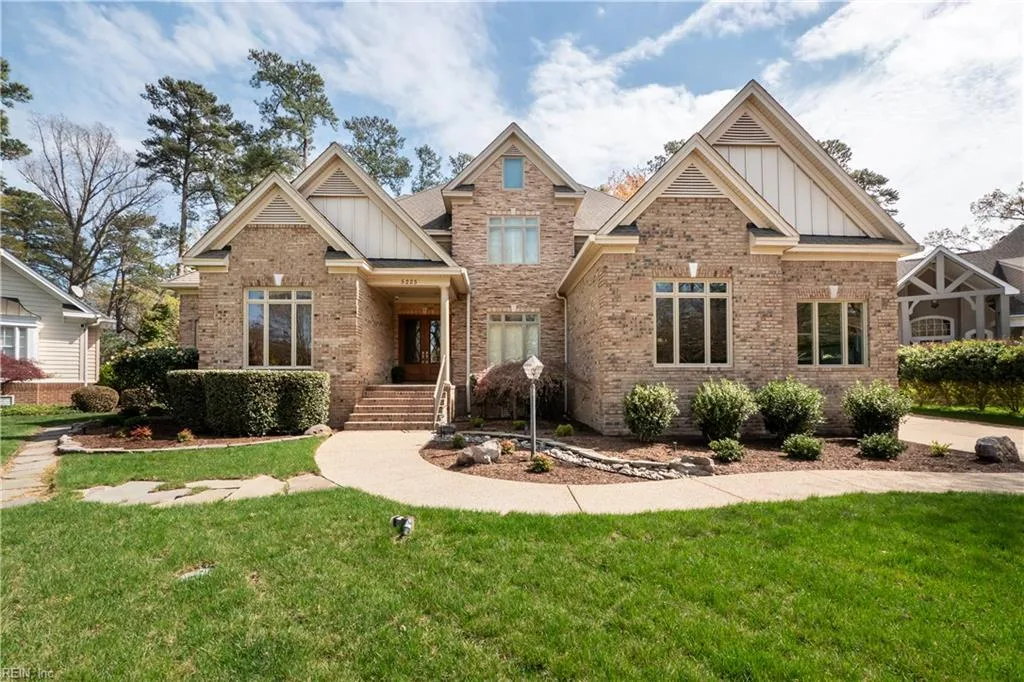
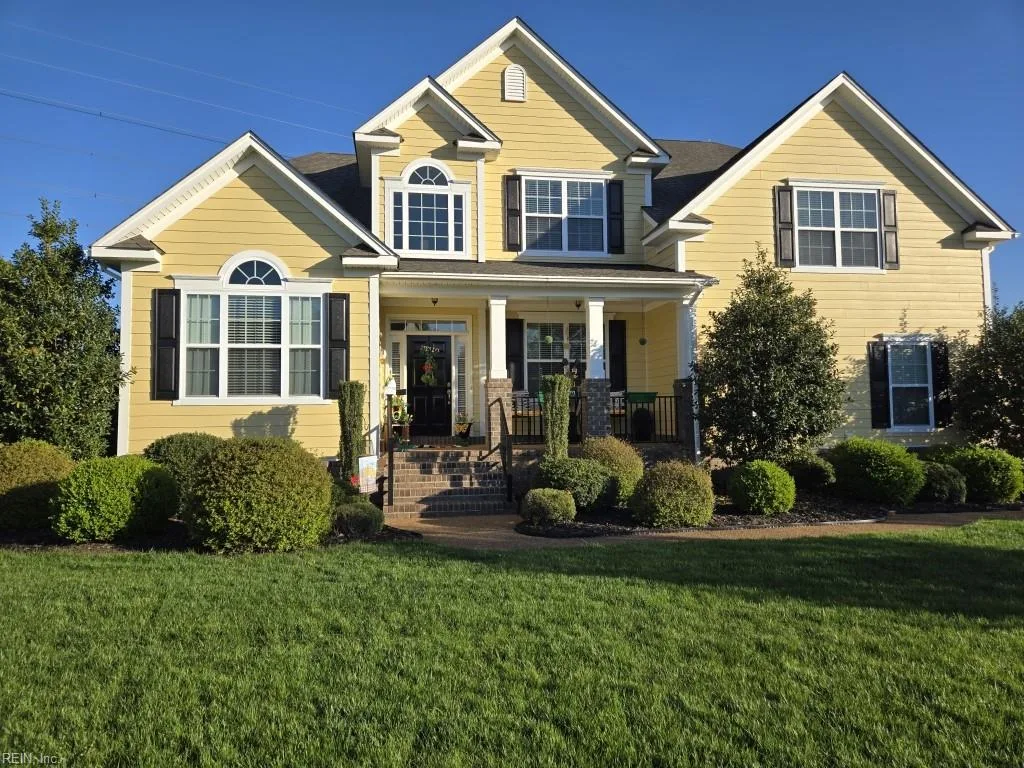
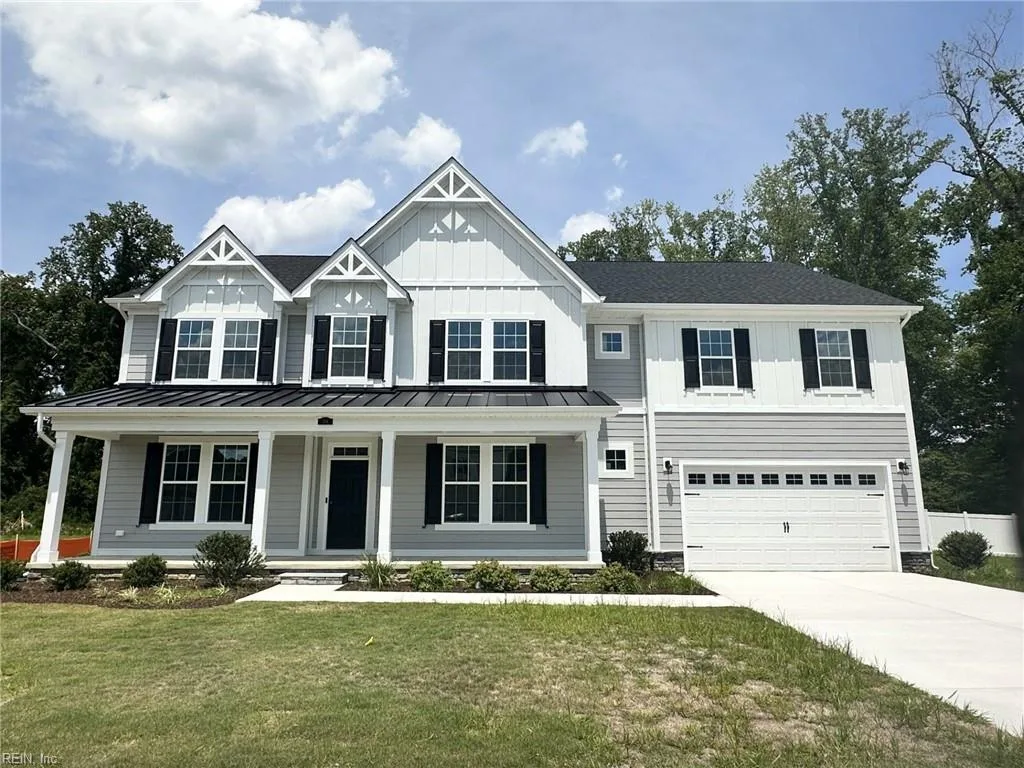
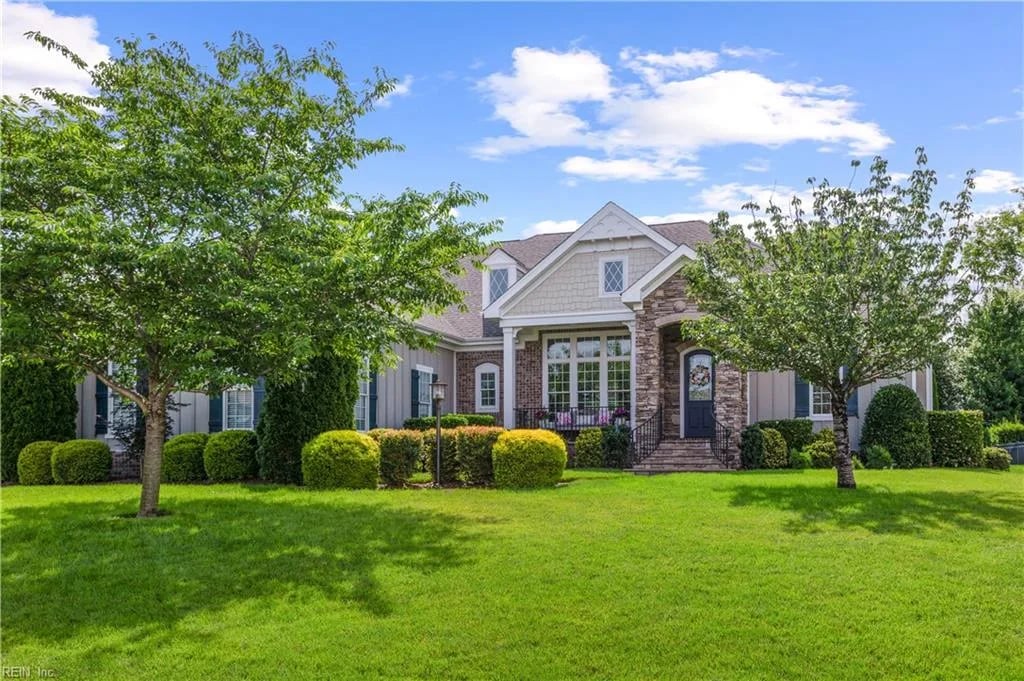
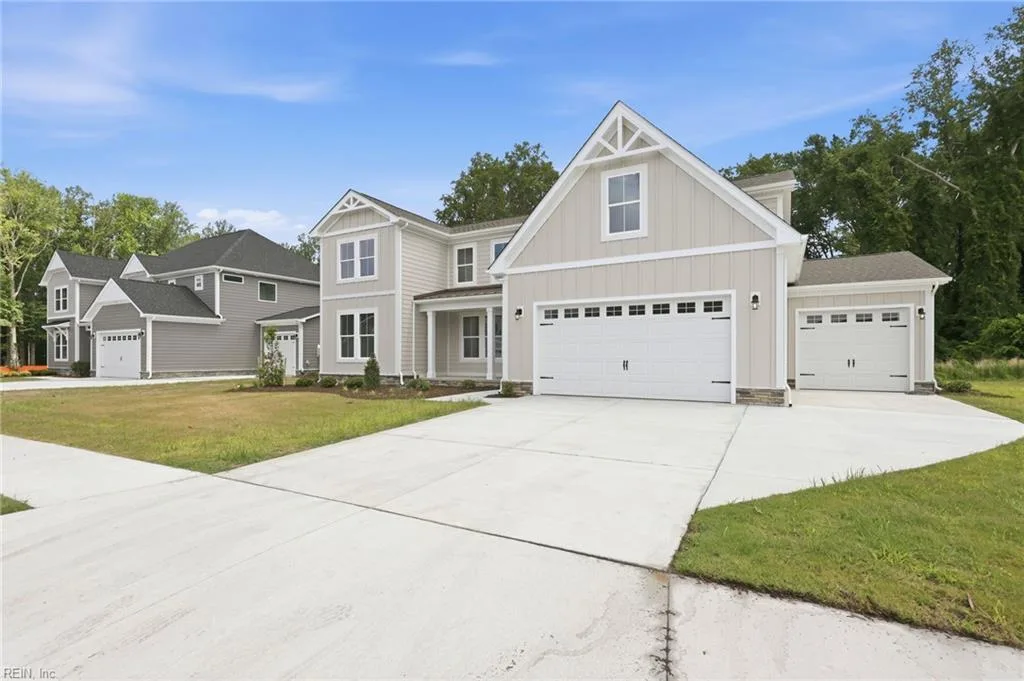
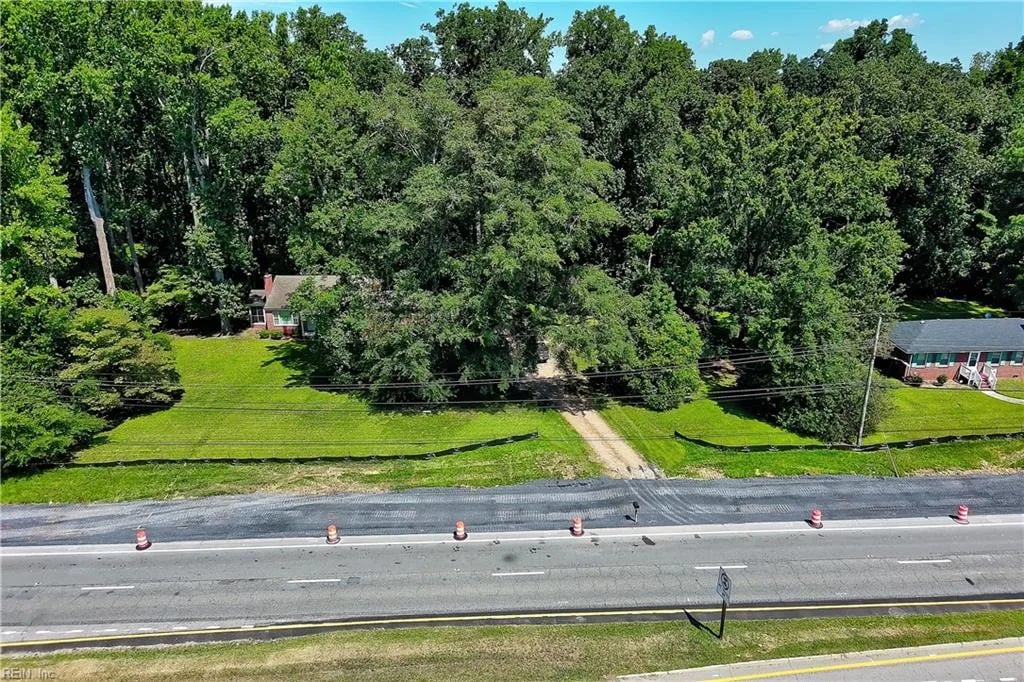
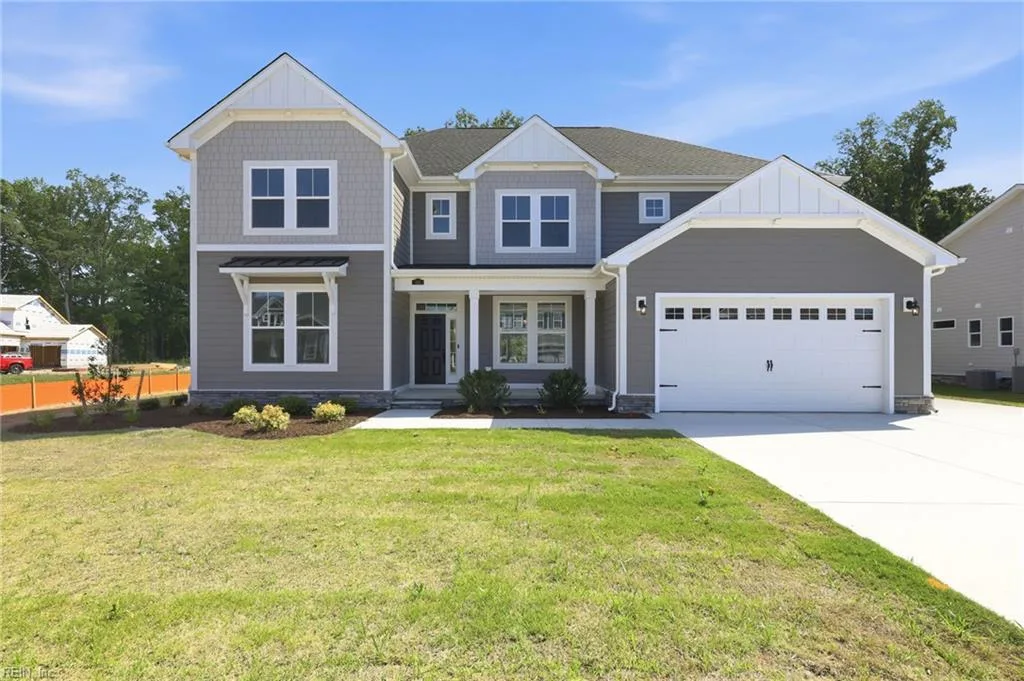
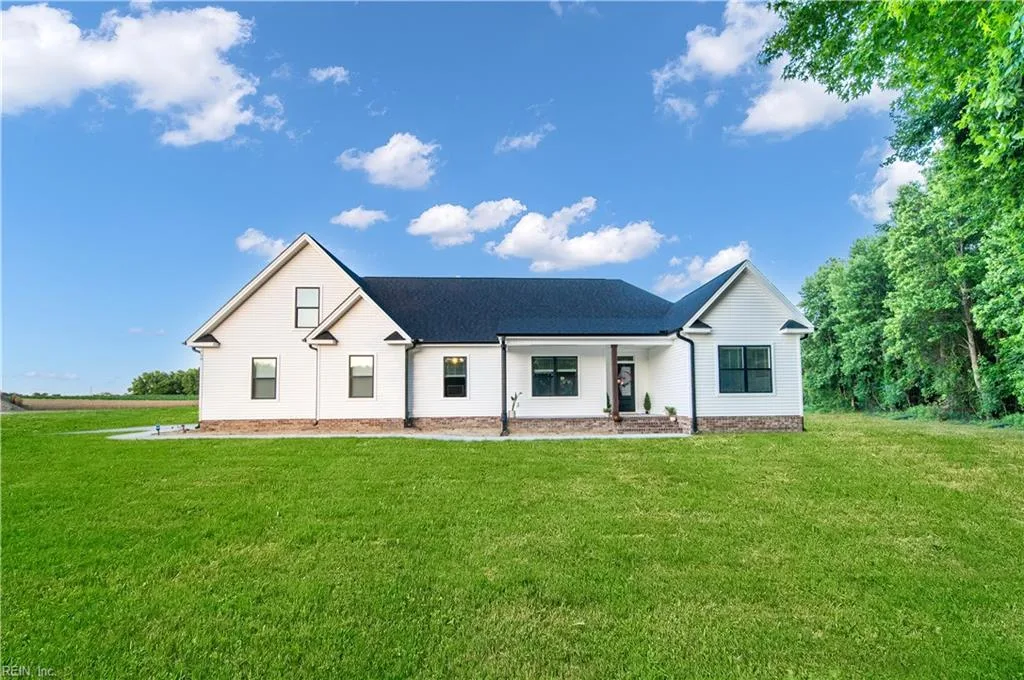
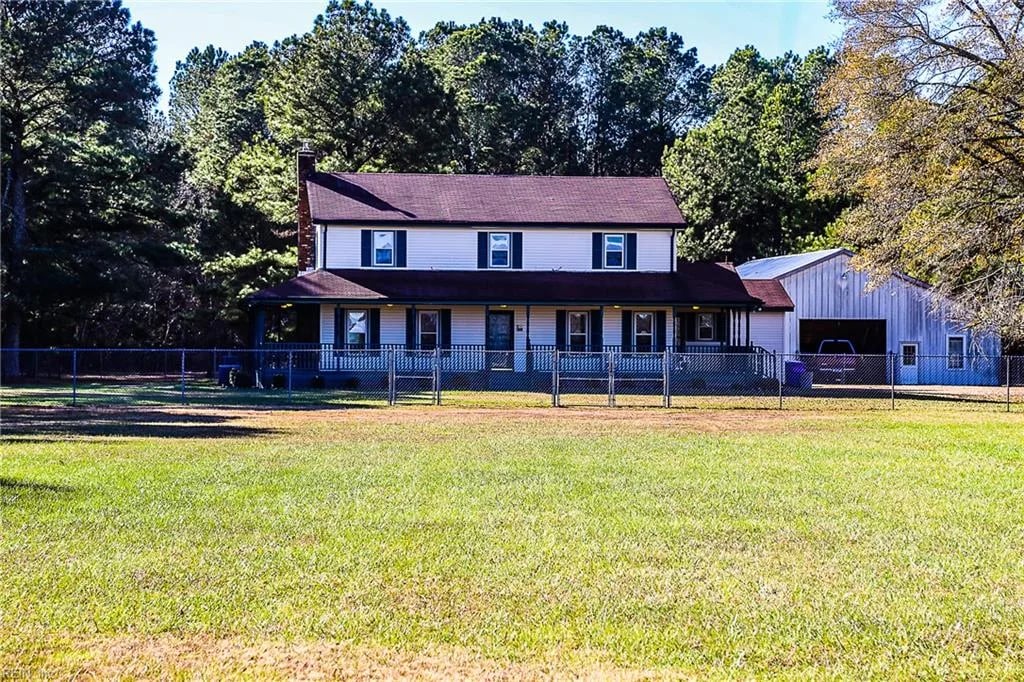
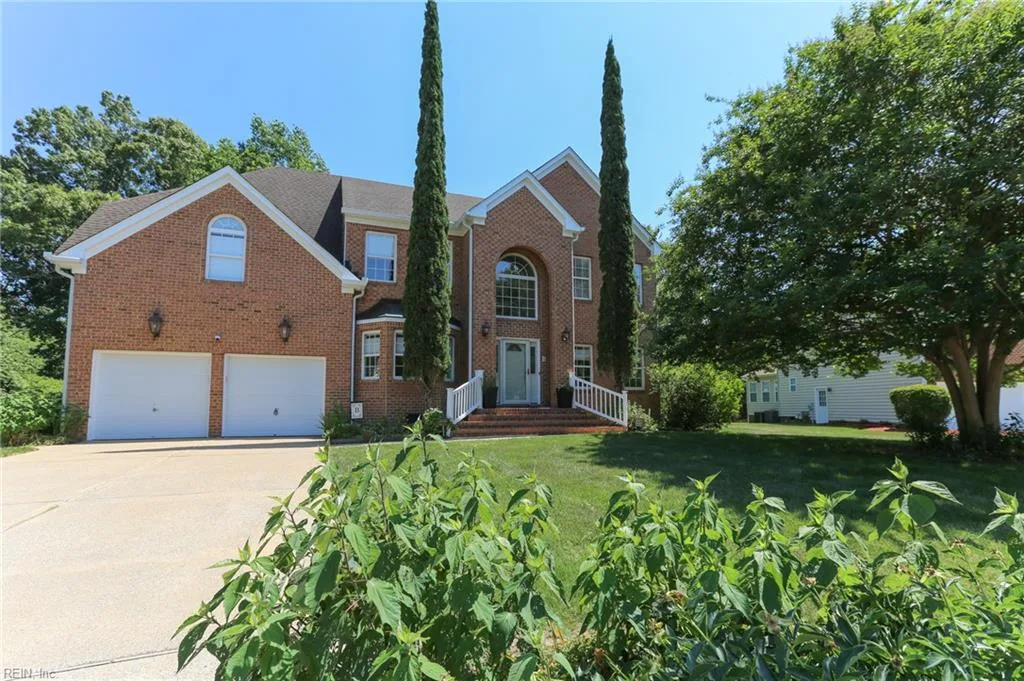
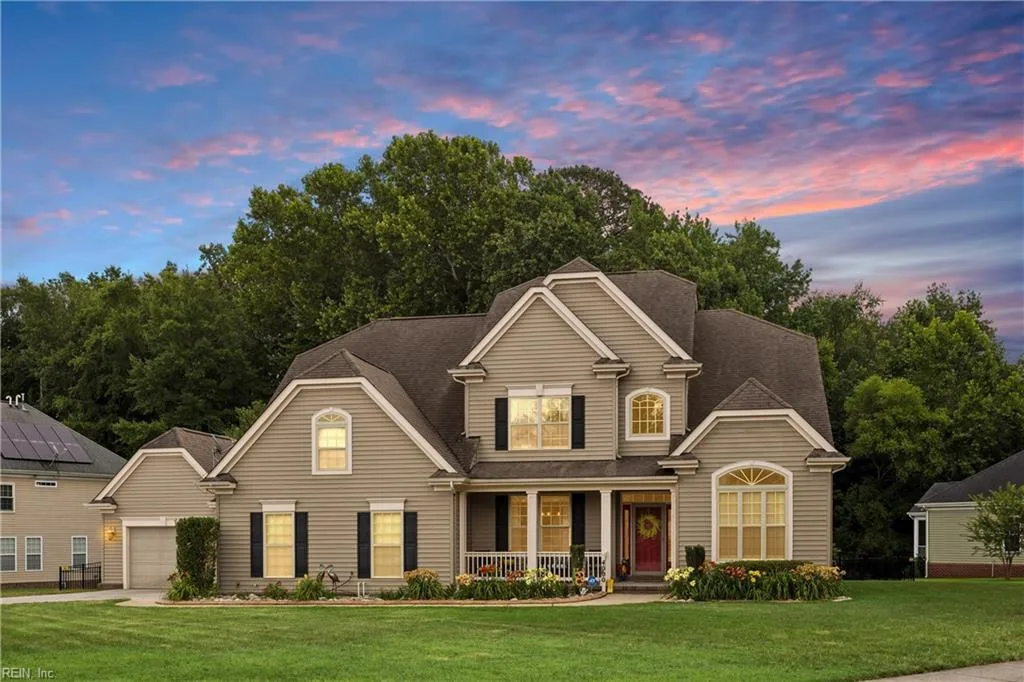
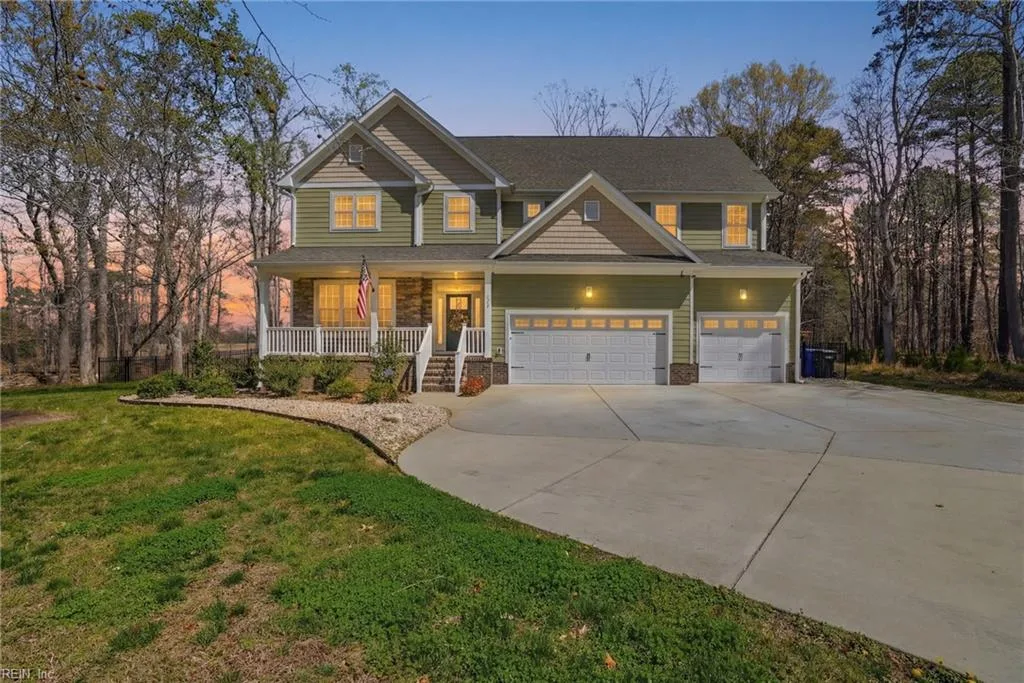
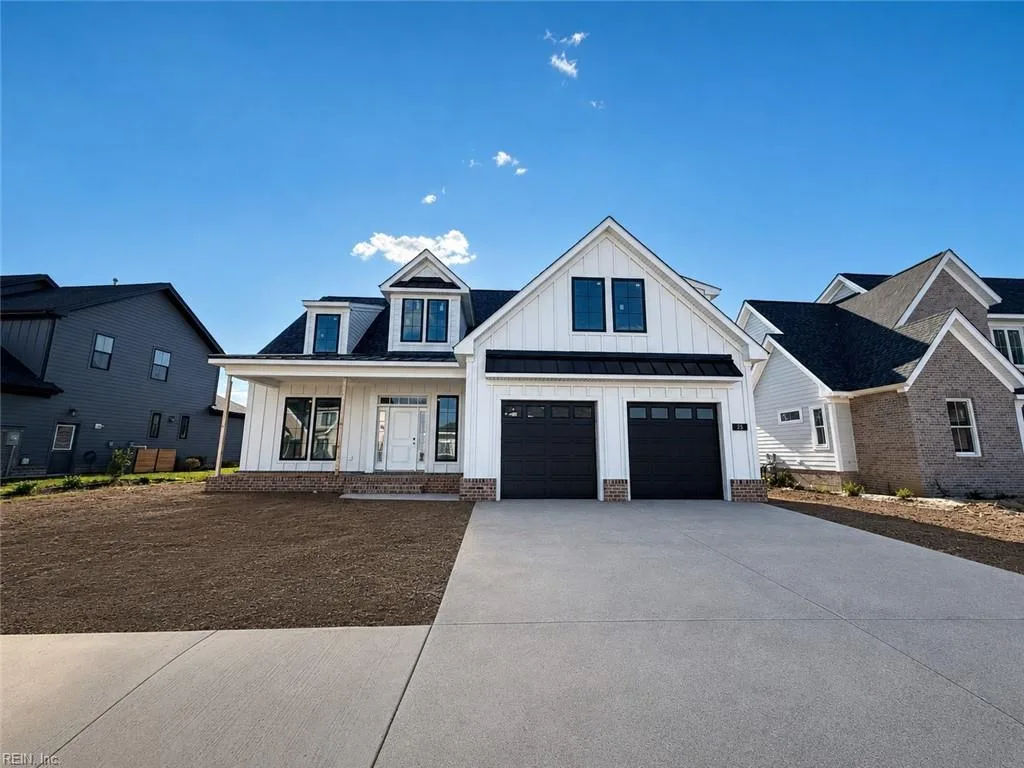
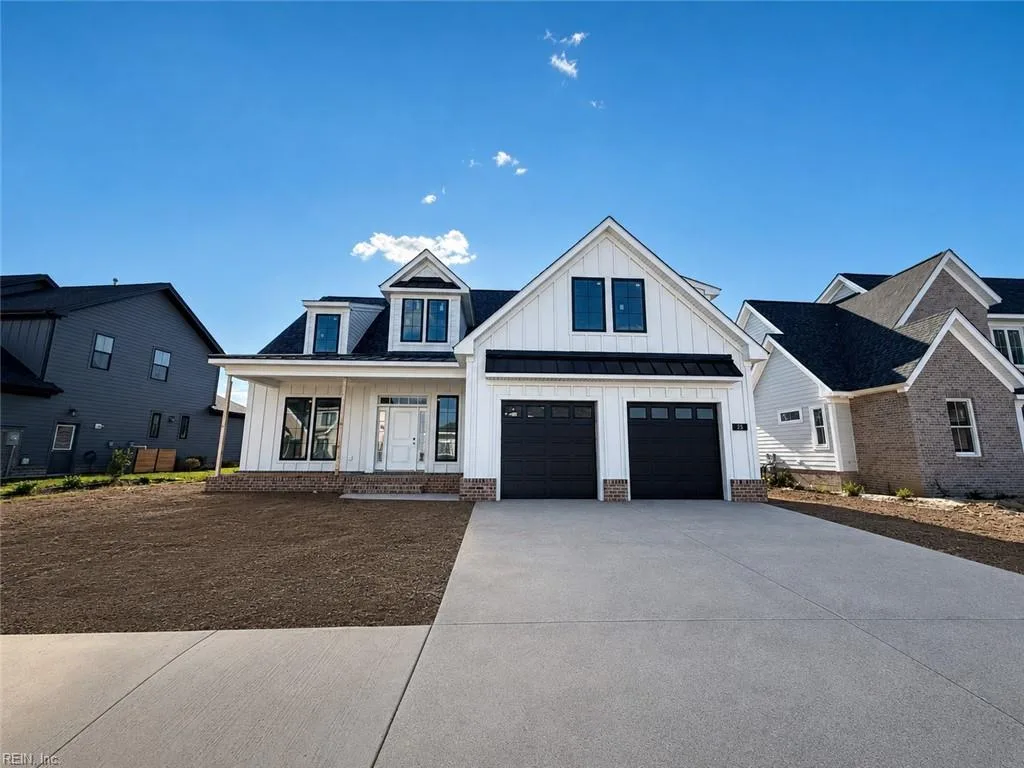
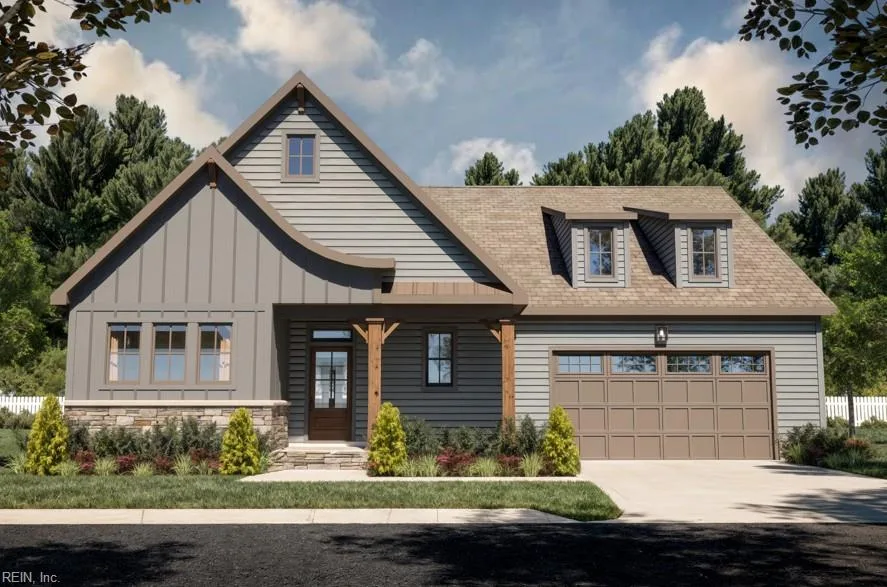
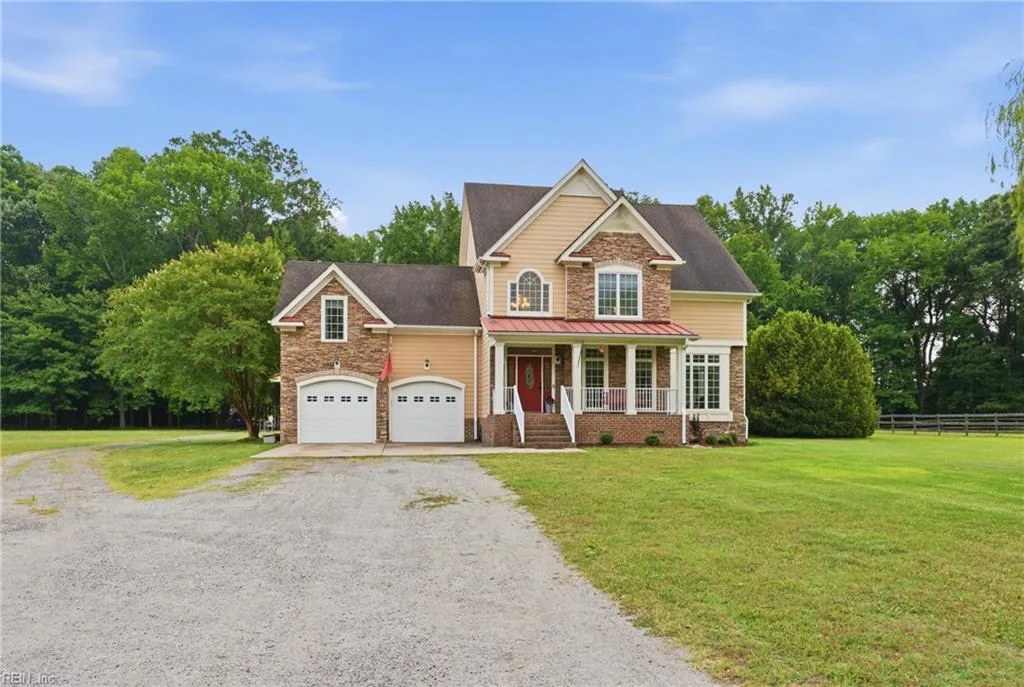
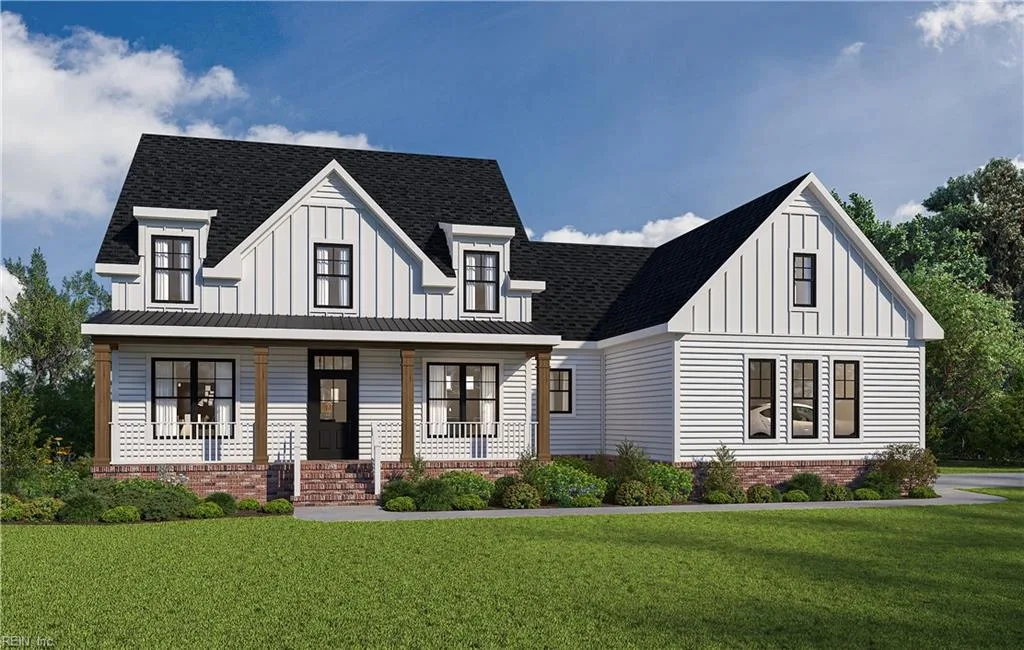
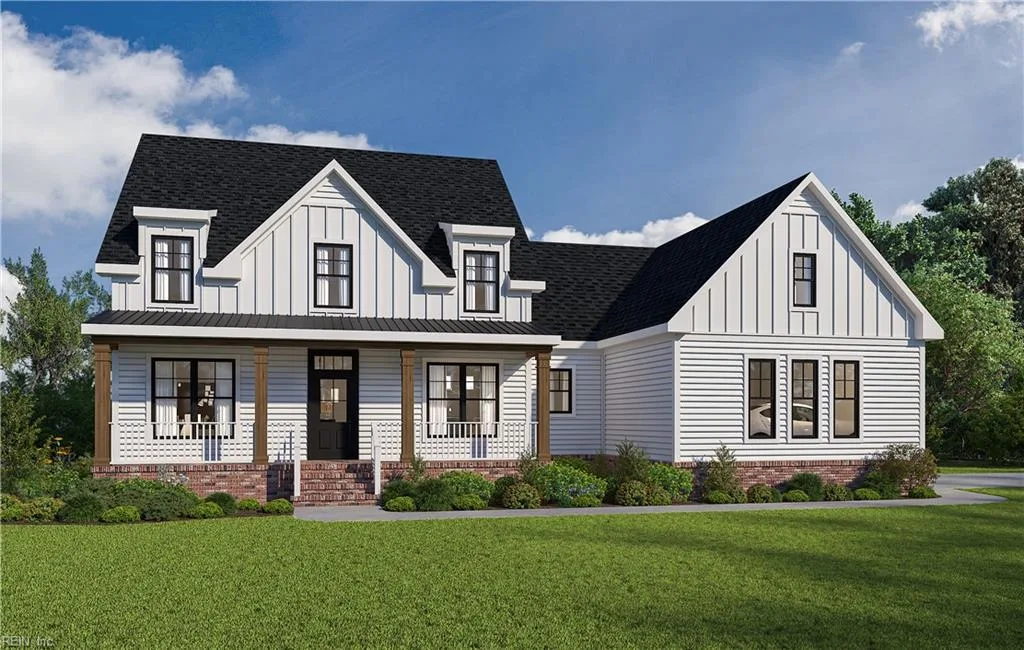
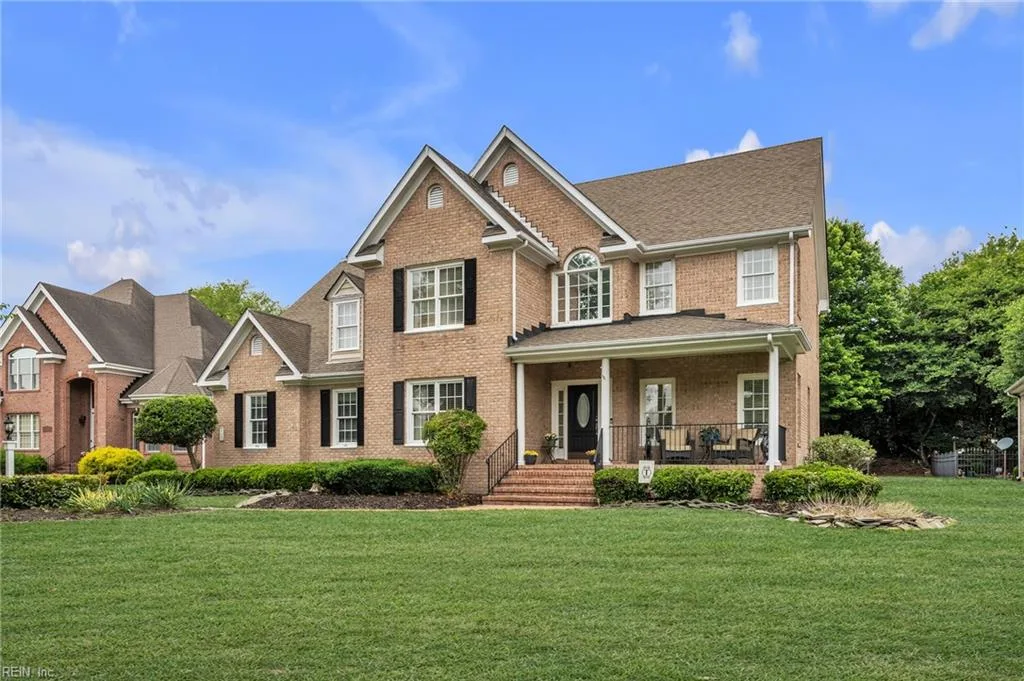
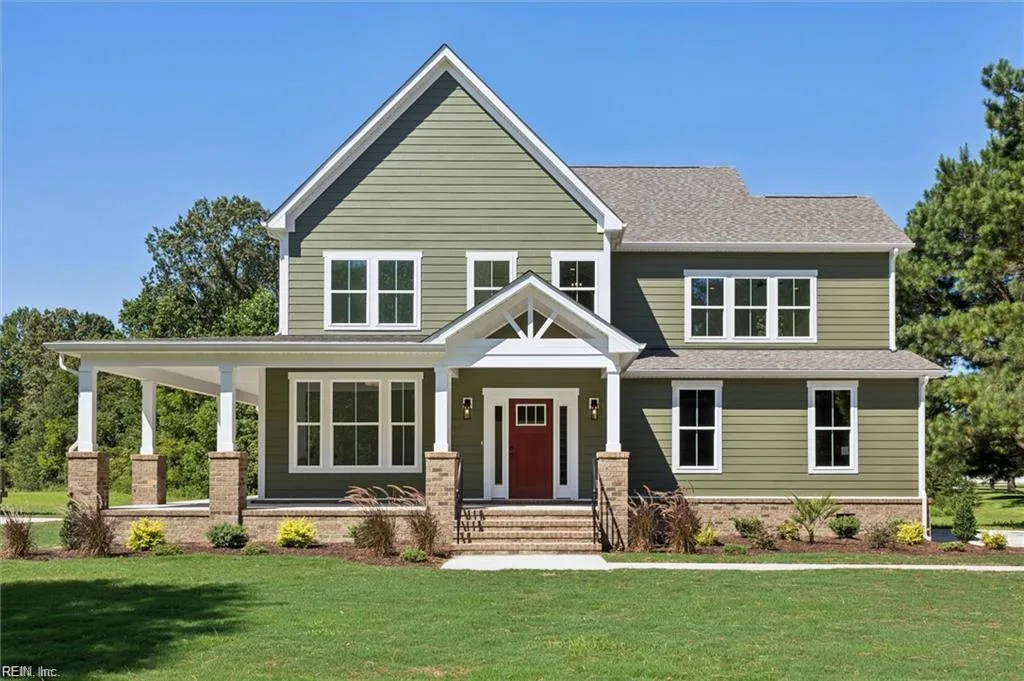
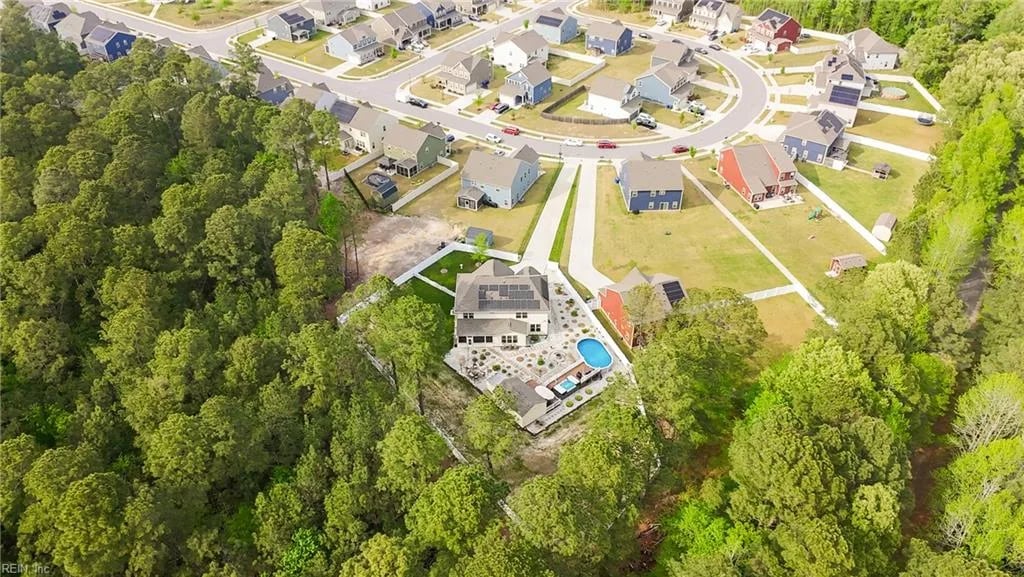
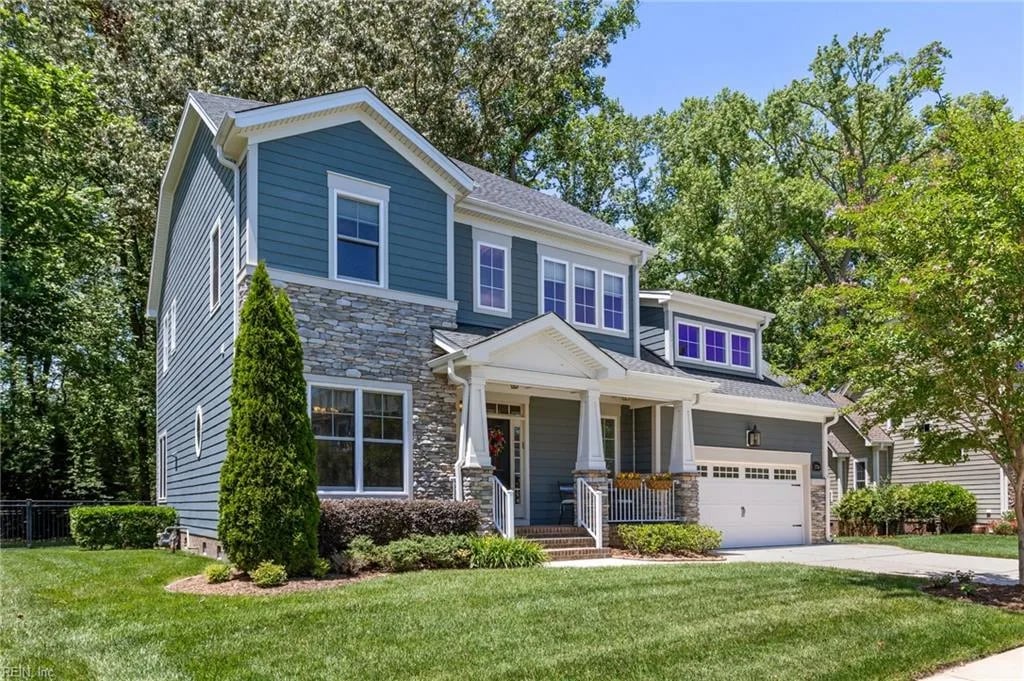
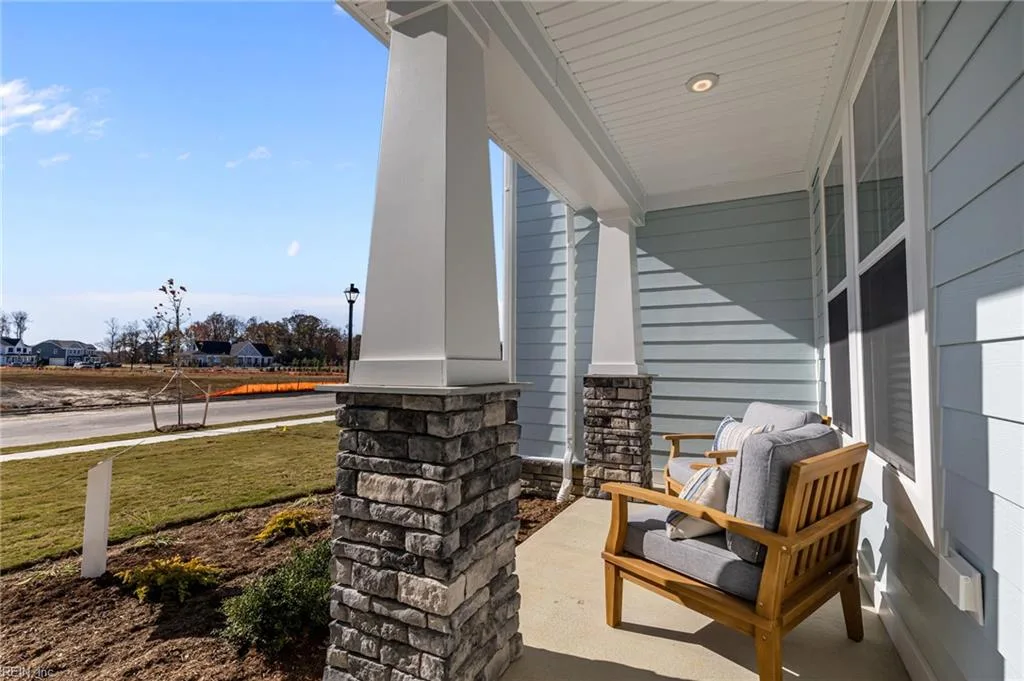
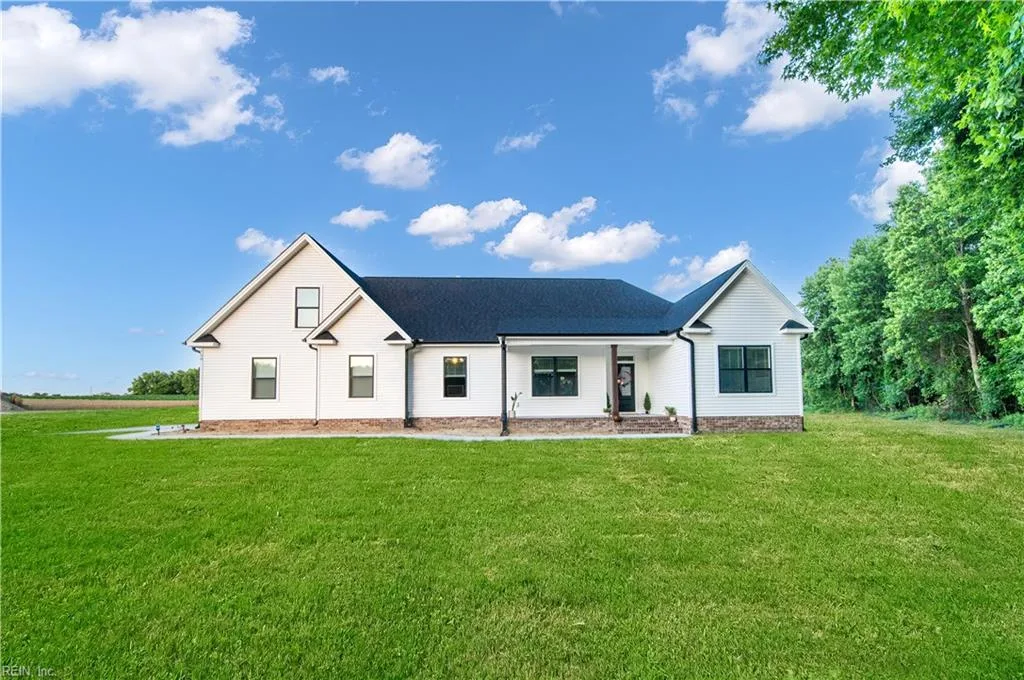
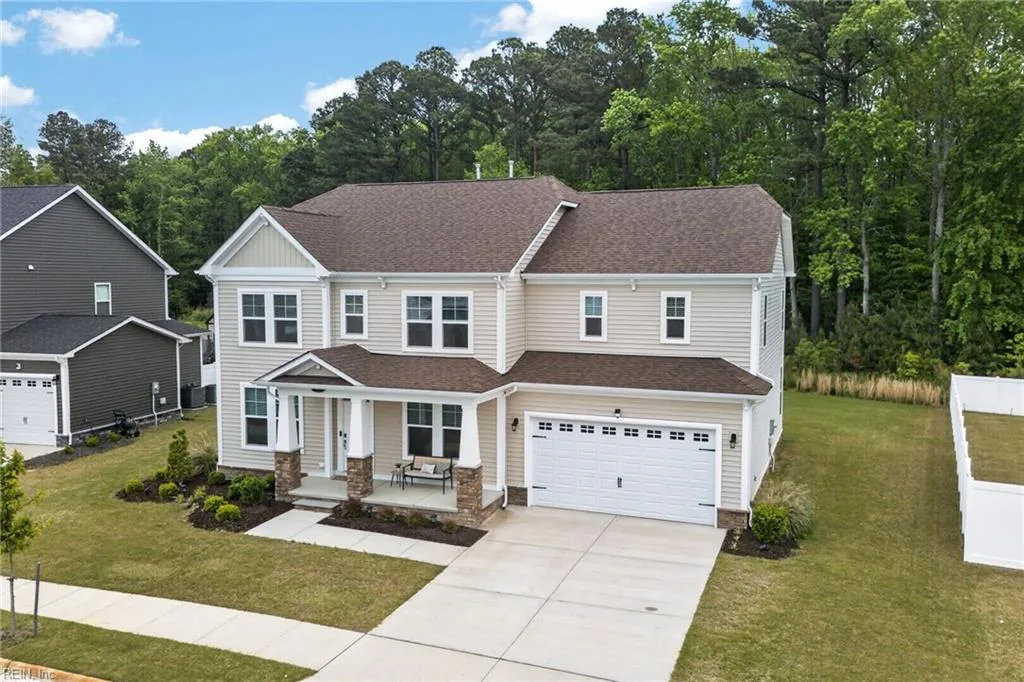
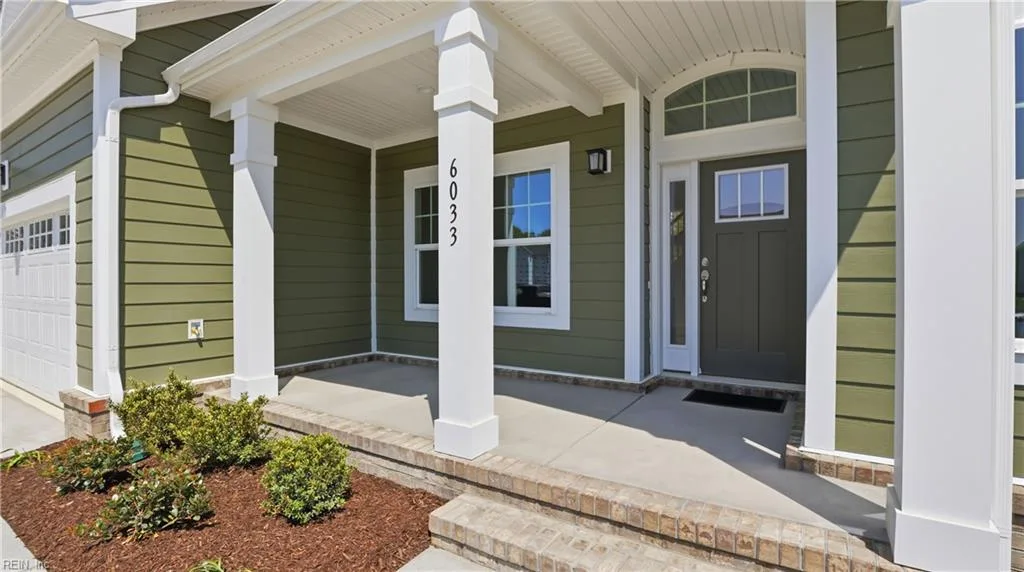
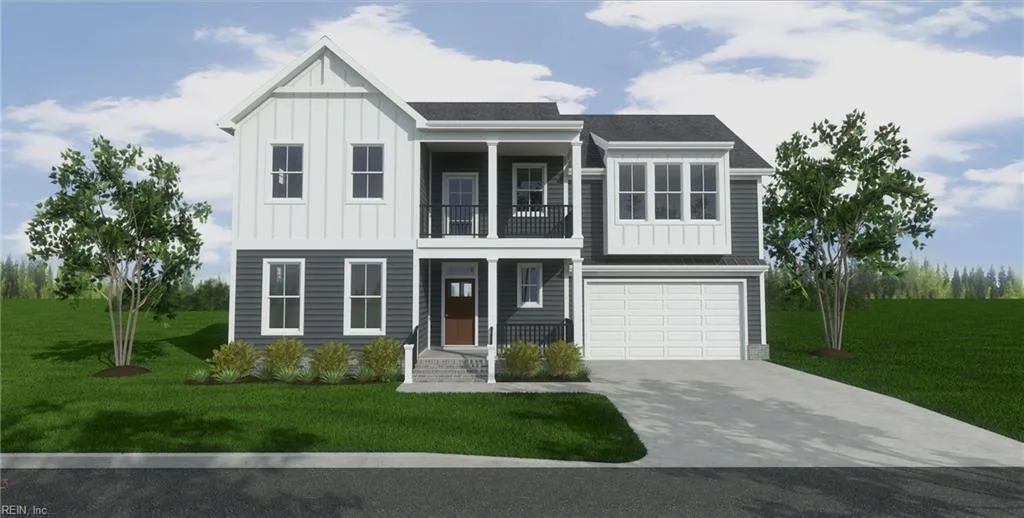
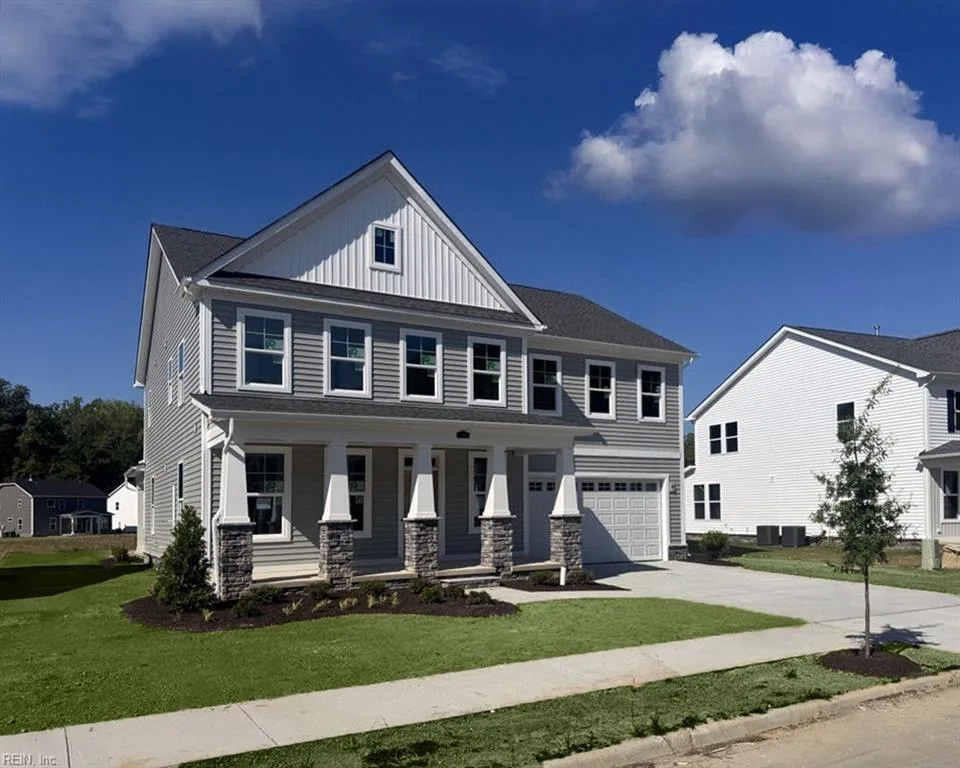
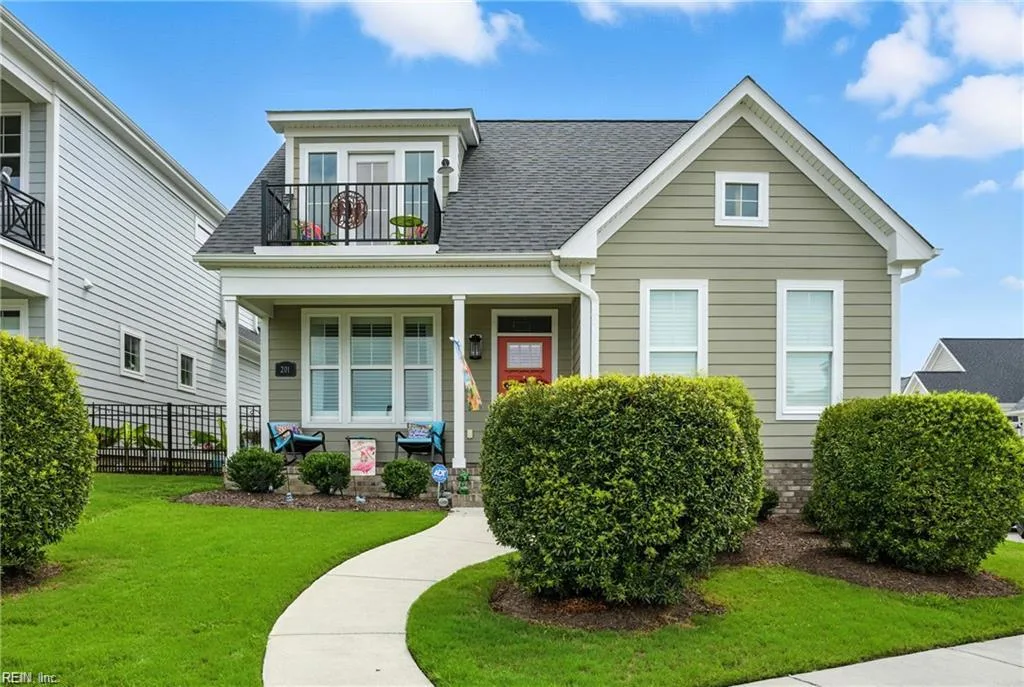
Listings & market data updated June 2026 · Live REIN MLS data
Market data
Suffolk market snapshot
Live market
Synced live from REIN MLS, every 5 minutes| Price range | Relative share | Active listings |
|---|---|---|
| Under $300K | 145 | |
| $300K–$400K | 89 | |
| $400K–$500K | 108 | |
| $500K–$750K | 180 | |
| $750K–$1M | 23 | |
| Over $1M | 22 |
With 567 homes active and a median list price of $460,000, Suffolk offers one of the widest price ranges in Hampton Roads — from 145 homes under $300,000 to 22 listings above $1M. At an average of 119 days on market, well-priced homes move steadily, so a saved-search alert that pings you the moment something matches is the difference between touring a home and reading its sold price.
Browse everything
Find Suffolk homes by price, beds, type & place
Every link below is a real Suffolk search — jump straight to exactly what you’re looking for.
By bedrooms & baths
By high-school zone(SPS attendance zones)
By ZIP code
Other Hampton Roads cities
The complete guide
Everything you need to know about buying in Suffolk
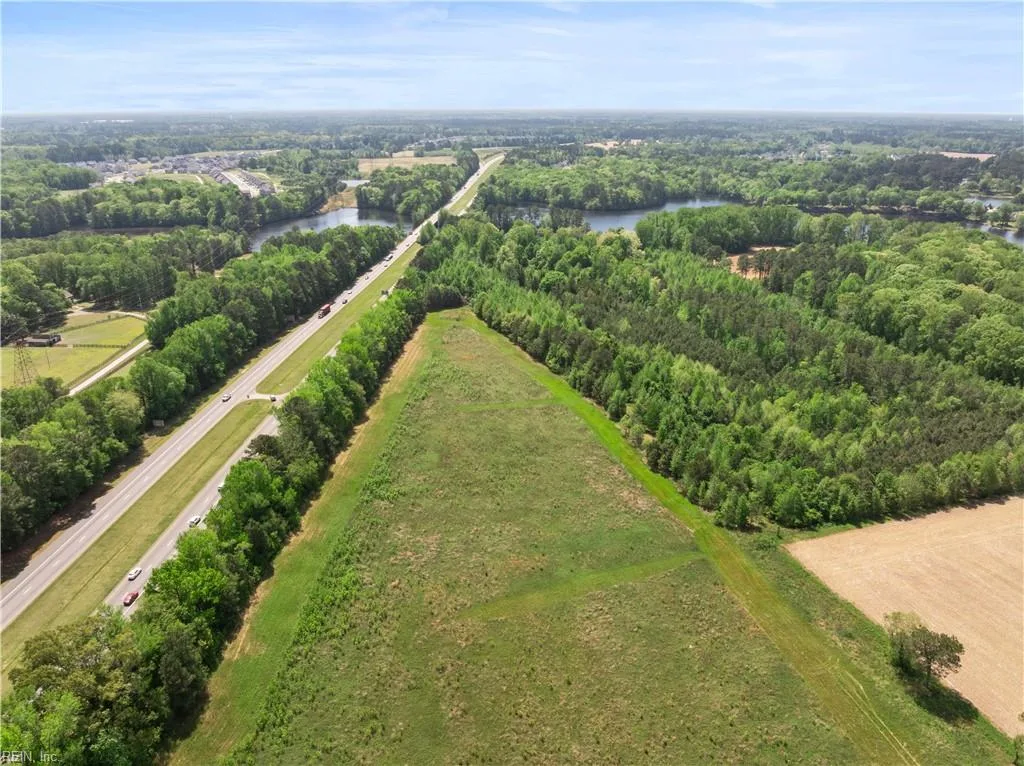
Suffolk is Virginia's largest city by land area, stretching across more than 430 square miles on the western edge of Hampton Roads. That sheer size is the first thing to understand about buying here, because Suffolk is really several markets in one. The fast-growing northern end around Harbour View and Bennett's Creek feels like a polished suburb with brand-new master-planned communities and an easy commute across the water to Norfolk. Drive twenty minutes south and you reach a historic downtown wrapped around the Nansemond River, and keep going and the landscape opens into working farms, woodland, and acreage at the edge of the Great Dismal Swamp. For buyers, this means Suffolk offers strong new-construction value alongside historic homes and rural land you simply cannot find in the more built-out cities next door.
This guide walks you through how to get around the city, how Suffolk Public Schools assigns homes to attendance zones, where people go for parks and recreation, the shopping and dining hubs, the major employers that keep demand steady, and the neighborhoods worth knowing before you tour. It closes with a plain-English look at the buying process here and what flooding does and does not mean along the rivers and creeks. By the time you book a showing with Tom and Dariya Milan, you'll already know the lay of the land and can spend your time evaluating actual homes instead of orienting yourself to a city the size of a small county.
Getting around Suffolk
Suffolk's road network is built around US-58, US-13, and US-17, which fan out from the city in different directions. US-58 runs east toward Chesapeake and the rest of Hampton Roads and west into the rural countryside, while US-13 and US-17 carry north-south traffic. For most North Suffolk residents the single most important route is US-17, which connects Harbour View and Bennett's Creek to the Monitor-Merrimac Memorial Bridge-Tunnel (the MMMBT). That crossing is the key that makes northern Suffolk work as a commuter base: it links the Southside to the Peninsula and puts Newport News, the shipyard jobs, and the broader Peninsula economy within a reasonable drive. Route 10 and Route 32 handle the connections through downtown and out toward the central and southern parts of the city.
Because Suffolk is so large, where you live changes your commute dramatically. A buyer in Harbour View can reach downtown Norfolk, Naval Station Norfolk, Norfolk Naval Shipyard, or Naval Medical Center Portsmouth fairly quickly via US-17 and the MMMBT. A buyer near downtown Suffolk or in the rural south is trading a longer drive for more land and a quieter setting. For air travel, Norfolk International Airport (ORF) is the nearest commercial airport, an easy trip from North Suffolk, and Hampton Roads Executive Airport serves general aviation in the area. There is no light rail or extensive transit network here, so plan on driving as your primary way to get around.
The MMMBT is the lifeline
The Monitor-Merrimac Memorial Bridge-Tunnel on US-17 connects North Suffolk to the Peninsula and is the route most northern commuters depend on daily.
US-58 splits the city
US-58 is the primary east-west artery, running toward Chesapeake and Hampton Roads in one direction and deep into rural Virginia in the other.
Norfolk International is closest
ORF is the nearest commercial airport, reachable from North Suffolk via US-17 and the tunnel, with Hampton Roads Executive handling general aviation locally.
Your address sets your commute
In a city this large, a North Suffolk home and a southern rural property can mean a meaningfully different drive to Norfolk-area jobs.
Suffolk Public Schools
Homes in Suffolk are served by Suffolk Public Schools (SPS), a citywide division covering the full 430-plus square miles. Because the city is so spread out, attendance zones are tied directly to a home's address, and where a property sits can place it in an entirely different elementary, middle, and high school zone than a home just a few miles away. This matters more in Suffolk than in a compact city, so confirming the assigned schools for a specific address is a real step rather than a formality. When you're touring a home, we pull the current zone for that exact parcel so there are no surprises after closing.
The division operates several high schools across the city, and SPS offers specialty and academy-style programming alongside its standard curriculum, including career and technical education pathways. For buyers focused on school zones, the most useful approach is to start with the neighborhoods and price points you like, then layer in the assigned schools, since the zones don't always follow neighborhood lines in a city this large. For higher education, Suffolk sits within easy reach of the wider Hampton Roads network of colleges and universities, including the institutions in Norfolk and on the Peninsula, plus regional community college campuses, all accessible via US-17, US-58, and the MMMBT.
One citywide division
Suffolk Public Schools serves every neighborhood in the city, from North Suffolk's new communities to the rural south.
Zones follow the address
Attendance areas are assigned by parcel, so two nearby homes can land in different school zones across this large city.
Specialty programs exist
SPS runs academy-style and career and technical education pathways in addition to its standard curriculum.
Confirm before you commit
We pull the exact current zone for any address you tour so the assigned schools are clear before you write an offer.
Parks and recreation
Suffolk's outdoor identity is shaped by water and open land. The Nansemond River winds through the heart of the city, giving the northern and central neighborhoods genuine river frontage, kayaking, and boating access, while Bennett's Creek branches off into North Suffolk. Constant's Wharf sits along the river downtown as a waterfront gathering spot, and the city maintains a network of parks and trails that take advantage of all that shoreline. To the south, the Great Dismal Swamp National Wildlife Refuge offers some of the most distinctive natural acreage in Virginia, with trails, paddling on Lake Drummond, and birding that draws visitors from across the region.
Golf is a real part of life here, anchored by Sleepy Hole Golf Course and Riverfront Golf Club, both set in the northern part of the city. Beyond the courses and the river, Suffolk's calendar centers on its peanut heritage, and the city has long embraced its identity as the historic home of Planters peanuts and the local festival culture that comes with it. Between the riverfront parks, the swamp refuge, the golf, and the room that comes with being the region's largest city, buyers who want elbow room and access to the outdoors tend to find it here.
Shopping and dining
The commercial center of gravity in Suffolk has shifted north over the past two decades. Harbour View has become the city's retail and dining hub, a corridor of shopping centers, big-box stores, restaurants, and services that grew up alongside the new residential communities and the US-17 commute. For most North Suffolk residents, day-to-day errands, grocery runs, and dinner out happen within Harbour View without ever crossing a bridge. The area continues to add retail as the surrounding neighborhoods fill in, which is part of why the northern submarket commands the demand it does.
Downtown Suffolk offers a different experience, with a historic main-street district of local shops, eateries, and the Constant's Wharf waterfront that leans into the city's character rather than chain retail. Buyers weighing North Suffolk against downtown or the rural south should factor in the trade-off: the north puts everything within minutes, while central and southern Suffolk reward you with land and quiet at the cost of a longer trip to the larger stores. For full-scale regional malls and the widest selection, the neighboring cities of Chesapeake and Norfolk are a straightforward drive via US-58 and US-17.
The local economy
Suffolk's economy rests on a mix of corporate headquarters, healthcare, distribution, and its proximity to the military and shipbuilding jobs across the water. TowneBank is headquartered here, and Sentara Obici Hospital anchors local healthcare and employment. The city's enormous footprint and its position along US-58, US-13, and US-17 have also made it a logistics and distribution hub, with warehousing and industrial operations that benefit from the open land and highway access that the more crowded cities can't offer. The peanut industry that gave Suffolk its 'Peanut Capital' identity remains part of the city's heritage and economic story.
For buyers, the practical takeaway is steady, diversified demand. North Suffolk draws households who work at Norfolk Naval Shipyard, Naval Medical Center Portsmouth, Naval Station Norfolk, and across the Peninsula, all reachable via US-17 and the MMMBT, while local employers in banking, healthcare, and distribution keep the rest of the market grounded. That blend of an in-city employment base and access to the region's major job centers means Suffolk doesn't lean on any single employer, which tends to support consistent buyer demand across price points rather than the boom-and-bust swings of a one-industry town.
Suffolk neighborhoods
Suffolk's neighborhoods divide naturally by geography, and understanding those zones is the fastest way to narrow a search across a city this large. Below are the main areas, grouped by character, and you can browse each of them from the neighborhood links below to see current listings in REIN MLS.
North Suffolk: Harbour View and Bennett's Creek
This is the flagship growth area and the heart of Suffolk's new-construction value story. Harbour View and the surrounding Bennett's Creek area, including communities like Burnside at North Suffolk, offer newer master-planned neighborhoods, retail and dining at your doorstep, and the shortest commute in the city to Norfolk, the shipyard, and the Peninsula via US-17 and the MMMBT. If you want a newer home and a manageable drive to Southside and Peninsula jobs, start here.
The Nansemond riverfront: Driver, Eclipse, and Sleepy Hole
Strung along the water, these established northern neighborhoods trade some of the brand-new feel of Harbour View for river and creek frontage, mature trees, and golf at Sleepy Hole. Driver and Lakeland, Eclipse, and the Sleepy Hole area appeal to buyers who want a waterfront or near-water setting while staying close to the North Suffolk commute and amenities. Lot sizes and home styles vary widely here, so it rewards a careful look.
Downtown and historic Suffolk
Closer to the city center you'll find historic homes, older established streets, and the Constant's Wharf waterfront, along with communities like Planters Mill and the Chuckatuck area to the northwest. This is where Suffolk's character and architecture run deepest, with a walkable downtown district and a slower pace than the northern corridor. Buyers drawn to older homes with character, or to being near the historic main street, gravitate to this part of the city.
Adjacent: Carrollton and Isle of Wight County
Just northwest of Suffolk, Carrollton and the wider Isle of Wight County sit technically in the next county but function as part of the same northern submarket and commute pattern. These areas open up more land, newer subdivisions, and rural-suburban living while still feeding into US-17 and the MMMBT toward Newport News and Norfolk. If you're shopping North Suffolk, it's worth looking just over the line here too.
Built for Hampton Roads military
PCSing to Suffolk? Start with your BAH and your base.
We’re not veterans — we’re the local agents who help military families land here, often buying remotely on short orders. We’ll match homes to your housing allowance and your real commute, and walk you through the VA-loan process step by step.
NAS Oceana
Central Virginia Beach — the largest master jet base in the country
JEB Little Creek–Fort Story
North Virginia Beach, near Chic’s Beach and Bayside
Naval Station Norfolk
The world’s largest naval base, via I-64 / I-264
Joint Base Langley–Eustis
Peninsula side, near Hampton and Newport News
Military tools on every listing
- 📍 Drive times to every major installation
- 💰 BAH-aware search and payment context
- 🎖️ VA-loan-friendly lender network
- 🌊 FEMA flood zone shown before you fall in love
- 📱 Remote tours when you can’t be here yet
The buying process
The Suffolk buying process
Buying in Suffolk follows the same path as the rest of Hampton Roads, but a few local realities are worth planning for. Here's how the process works.
Get pre-approved
Before touring, get a pre-approval letter from a lender so you know your budget and can move quickly. Suffolk's new-construction communities in North Suffolk and its rural acreage in the south can involve different financing wrinkles, including construction or rural loan considerations, so tell your lender what you're targeting up front.
Tour and make an offer
We use live REIN MLS data to line up homes that fit your zone, commute, and budget, then tour efficiently across the city's spread-out neighborhoods. When you find the one, we write an offer that reflects current local conditions for that submarket, since North Suffolk new construction and a downtown historic home play by very different rules.
Inspect and appraise
Once under contract, you'll schedule a home inspection and the lender orders an appraisal. In Suffolk this is also when we check well, septic, and flood considerations on rural and waterfront properties, since many homes outside the city center aren't on public water and sewer the way North Suffolk subdivisions are.
Close and get the keys
At closing you'll sign with a settlement agent, fund the purchase, and take possession. We coordinate the final walkthrough, confirm any new-construction punch-list items are complete, and make sure utilities and flood-insurance binders (where required) are in place so you get the keys without last-minute snags.
Flooding is a genuine local factor in parts of Suffolk, specifically the areas with frontage on the Nansemond River, Bennett's Creek, and the smaller tidal creeks, as well as low-lying land near the Great Dismal Swamp. Many inland and higher-elevation homes carry little to no flood-zone designation, but waterfront and creekside properties may sit in a FEMA flood zone that requires flood insurance to finance. The footprint varies parcel by parcel, so for any home near the water we check the current FEMA flood map and pull the property's flood-zone status and any prior elevation certificate before you commit, so the insurance cost is a known number rather than a surprise.
The local-expert advantage
Why Suffolk buyers start here
The national sites are databases that sell your info to whichever agent pays the most. We’re the actual local agents — with data the portals don’t show you.
Your local agents
Tom & Dariya Milan
REALTORS® · LPT Realty · Hampton Roads, VA
We’re a husband-and-wife team who live and work right here in Hampton Roads, and Suffolk is home base. When you reach out, you get the two of us — not a junior associate, not a call center, not a lead form sold to the highest bidder. We’ve walked first-time buyers, move-up families, and military households on PCS orders through this exact market, and we built VaHome so the search experience would be as good as the local knowledge behind it.
Our promise is simple: real data, straight answers, and the same two people from your first question to your closing table. We’ll tell you when a home is overpriced, when a flood-insurance estimate changes the math, and when the right move is to wait.
Browse Suffolk homes by neighborhood
Want new Suffolk listings the minute they hit the MLS?
Tell us where to send them — we'll email you matching homes as they're listed. No spam, unsubscribe anytime.
Free new-listing alerts from the VaHome Team. No spam — unsubscribe anytime.
Common questions about Suffolk real estate
How do I browse Suffolk homes for sale?
+
The grid above pulls Suffolk homes live from REIN. Click any listing for full details, photos, and tax history. Use /listings/?city=Suffolk to filter by price, bedrooms, square footage, year built, and other criteria.
What is real estate like in Suffolk, VA?
+
Suffolk real estate spans a remarkable range — new-construction townhomes in Harbour View, established single-family in The Riverfront, historic homes downtown, and rural acreage in the south. Prices are generally more accessible than the Beach or Norfolk, and lot sizes tend to be substantially larger. The city has been growing fast and continues to add inventory.
Are houses for sale in Suffolk good for VA loans?
+
Yes. Suffolk's stock includes many single-family and newer-construction properties that are straightforward for VA financing, plus an attractive commute to Naval Medical Center Portsmouth, Norfolk Naval Shipyard, and Naval Station Norfolk via the Monitor-Merrimac. A VaHome agent can help you align BAH for your paygrade with current Suffolk inventory.
What's the difference between Northern and Southern Suffolk?
+
Northern Suffolk (above Route 58/Western Branch area) is more developed — newer subdivisions, retail centers, and shorter commutes to the metro. Southern Suffolk is much more rural, with larger acreage, working farms, and small towns like Whaleyville. Buyers usually have a clear preference based on lifestyle.
Explore nearby cities
Get a custom list of Suffolk homes that fit your life
Tell us your budget and must-haves and we’ll hand-pick matching homes — and alert you the minute new ones hit the MLS. No spam, no obligation. When you message us, you get us — Tom & Dariya — not a call center.
Tom & Dariya Milan, Realtor® | LPT Realty · ⭐ 4.9 on Google
About the Hampton Roads Real Estate Market
Hampton Roads is one of the most dynamic real estate markets on the East Coast, anchored by the largest naval complex in the world at Naval Station Norfolk and home to roughly 120,000 active-duty, reserve, and civilian Department of Defense personnel. The region spans seven cities — Virginia Beach, Norfolk, Chesapeake, Suffolk, Portsmouth, Hampton, and Newport News — plus the Peninsula communities of Williamsburg, Yorktown, and Poquoson, with each market carrying its own personality, school district, and price profile.
Buying or selling here means thinking about more than just a house. Tidewater geography means flood zones, hurricane preparation, and waterfront premiums matter. Military presence means BAH affordability, PCS season inventory crunches (May through August), and VA loan eligibility are top of mind for a meaningful share of every neighborhood. School quality varies block by block, especially across the seven independent city school divisions, and is often the deciding factor for relocating families.
Why Buyers and Sellers Choose VaHome
The VaHome Team — Tom and Dariya Milan with LPT Realty — focuses on the Hampton Roads region with deep expertise in military relocation, VA financing, and the trade-offs that local buyers actually face. From listing strategy that gets your home in front of the right relocating buyer to buyer representation that respects your BAH cap and PCS timeline, the team treats every transaction as a long-term relationship. The site is built to make decisions clearer: BAH-aware search, drive-time mapping to every major installation, neighborhood guides written by people who live here, and a calculator that shows real monthly cost — taxes, insurance, HOA, and PMI included — instead of a teaser headline number.
Plan Your Next Move
Whether you are buying your first home with a VA loan, moving up while your kids transition between school districts, or selling a Hampton Roads property to relocate to your next duty station, the resources on this site are organized around the questions you are actually asking. Browse listings filtered by base proximity, paygrade-aware BAH cap, and commute time. Read neighborhood guides for Virginia Beach, Norfolk, Chesapeake, Suffolk, Hampton, Newport News, Williamsburg, and the Peninsula communities. Use the mortgage calculator to compare conventional, FHA, VA, USDA, and jumbo loan scenarios side by side. When you are ready to talk, the contact form goes directly to a specialist who knows the area, the lenders, and the timing.