
The Real Cost of Owning a Home in Hampton Roads (2027)
On a $400,000 Virginia Beach home, property tax, homeowners insurance and routine maintenance add roughly $9,900 to $13,900 a year on top of your mortgage principal and interest, or about $825 to $1,160 a month. Add electricity and a modest HOA and our example reaches about $14,900 a year, before any flood insurance. The "$14K a year" in this article's address comes from a June 2023 Zillow and Thumbtack study that put the national average at $14,155. Their November 2025 update puts it at $15,979 a year, without counting utilities. Below is the 2027 planning math for Hampton Roads, built on each city's adopted FY 2026-27 tax rate.
Key takeaways at a glance
- Beyond mortgage P&I, plan on roughly $825 to $1,160 a month for tax, insurance and maintenance on a $400,000 Virginia Beach home, and more once you add an HOA, utilities or flood insurance.
- Property taxes: $0.62 (Williamsburg city) to $1.24 (Portsmouth) per $100 of assessed value for FY 2026-27.
- Homeowners insurance: the Virginia HO-3 average was $1,537 a year in 2023, the latest NAIC data (published July 2026). Coastal, older and higher-value homes usually cost more, so get a quote for the address.
- Flood insurance is a separate policy. Lenders require it in FEMA high-risk flood zones, and a new NFIP policy usually takes 30 days to start.
- Maintenance: the common 1% to 2% rule of thumb means $4,000 to $8,000 a year on a $400,000 home.
| City | Tax Rate | Annual Tax | Total Non-Mortgage Est. |
|---|---|---|---|
| Williamsburg city | $0.62 | ~$2,480 | ~$13,480/yr |
| York County (2026 tax year) | $0.78 | ~$3,120 | ~$14,120/yr |
| James City County | $0.80 | ~$3,200 | ~$14,200/yr |
| Virginia Beach | $0.97 | ~$3,880 | ~$14,880/yr |
| Chesapeake | $1.01 | ~$4,040 | ~$15,040/yr |
| Suffolk (citywide) | $1.06 | ~$4,240 | ~$15,240/yr |
| Hampton | $1.14 | ~$4,560 | ~$15,560/yr |
| Newport News | $1.18 | ~$4,720 | ~$15,720/yr |
| Norfolk | $1.23 | ~$4,920 | ~$15,920/yr |
| Portsmouth | $1.24 | ~$4,960 | ~$15,960/yr |
Tax rates per $100 of assessed value, FY 2026-27 (York County bills by calendar year). Annual tax assumes a $400,000 assessment. The total adds the same $11,000 to every row: insurance $2,000, maintenance at 1.5% ($6,000), electricity $1,800 and an example HOA of $1,200. Flood insurance and special district levies are not included.
In this guide
Property taxes
Each Hampton Roads city and county sets its own real estate tax rate, and the bill is the rate times the assessed value the assessor puts on the home, which can differ from what you pay for it. For FY 2026-27 (July 1, 2026 to June 30, 2027) the rates run from $0.62 per $100 in the City of Williamsburg to $1.24 in Portsmouth. On a $400,000 Virginia Beach home at $0.97, that is about $3,880 a year. Many homes with a Williamsburg mailing address are in James City County ($0.80) or York County ($0.78 for the 2026 tax year), so check which locality the parcel is in. Suffolk's $1.06 citywide rate is higher in its downtown and Route 17 taxing districts, and some Virginia Beach areas, such as Sandbridge, are in special service districts with their own rate.
Price levels matter as much as the rate. At each city's median sold price for September 2026 (VaHome analysis of REIN MLS data, September 2026), a tax bill at the current rate would be roughly $3,476 in Hampton ($304,900 median), $3,590 in Portsmouth ($289,500), $3,657 in Newport News ($309,950), $4,071 in Norfolk ($331,000), $4,141 in Chesapeake ($410,000), $4,187 in Suffolk ($395,000) and $4,292 in Virginia Beach ($442,500). The medians mix home types, so treat them as a rough guide. Every city's rate, assessor and tax lookup is on our Hampton Roads property search page, and current prices are in the VaHome market reports.
Two things can lower the bill. Virginia exempts the principal residence of a veteran rated 100% service-connected, permanent and total disabled, and qualifying surviving spouses (Va. Code 58.1-3219.5). Virginia also lets each locality offer an exemption or deferral for owners 65 or older or permanently and totally disabled, on conditions the local ordinance sets (Va. Code 58.1-3210); ask your city treasurer or commissioner of the revenue. Rates for FY 2027-28 are set with each budget in spring 2027 and take effect July 1, 2027.
Homeowners insurance
The most recent state-by-state figures from the National Association of Insurance Commissioners cover 2023 and were published in July 2026. The NAIC report puts the average Virginia HO-3 premium at $1,537 a year, against $1,737 nationwide. For homes insured for $400,000 to $449,999, the Virginia average was $1,545. Prices have kept rising since then: Zillow's November 2025 analysis found premiums up 48% nationally since February 2020 and estimated $2,003 a year for the typical U.S. home. We use $2,000 as a planning figure for a $400,000 home in this article. A waterfront home, an older roof or a higher rebuild cost can push the real quote well above that, so ask an agent to quote the specific address before you write an offer. The dwelling coverage on the policy is based on the cost to rebuild, not on the price you pay.
Flood insurance
Standard Virginia homeowners policies typically do not cover damage from floods, surface water or storm surge, according to the State Corporation Commission's Bureau of Insurance (September 10, 2025). Flood coverage is a separate policy. If the home is in a FEMA Special Flood Hazard Area and your mortgage is federally backed or regulated, the lender will require it, and lenders may also require it outside those zones.
There is no reliable "typical" premium to plan on. Under FEMA's Risk Rating 2.0, NFIP prices are set for each building using flood type, distance to a flooding source, flood frequency, elevation and the cost to rebuild. Increases on existing policies are capped at 18% a year for most policyholders, and that glide path transfers to a buyer when the seller assigns the policy at closing (FEMA Risk Rating 2.0 FAQ). Ask for the seller's flood declarations page early and get your own quote.
Timing matters. A new NFIP policy usually has a 30-day waiting period, although that wait does not apply when the policy is bought because a loan is being made. Congress extends the NFIP for short stretches; it is currently authorized through December 11, 2026 (Congressional Research Service). If that authority lapses, policies already in force continue, but new NFIP policies cannot be issued, so confirm the program's status if you are closing near that date. Virginia sellers who know the home is a repetitive risk loss structure (two or more NFIP claims over $1,000 within any rolling 10 years) must disclose it under Va. Code 55.1-708.2. To look up a zone, see our guide on how to check flood zones in Norfolk and Virginia Beach or the FEMA Flood Map Service Center.
Wind / hurricane deductible
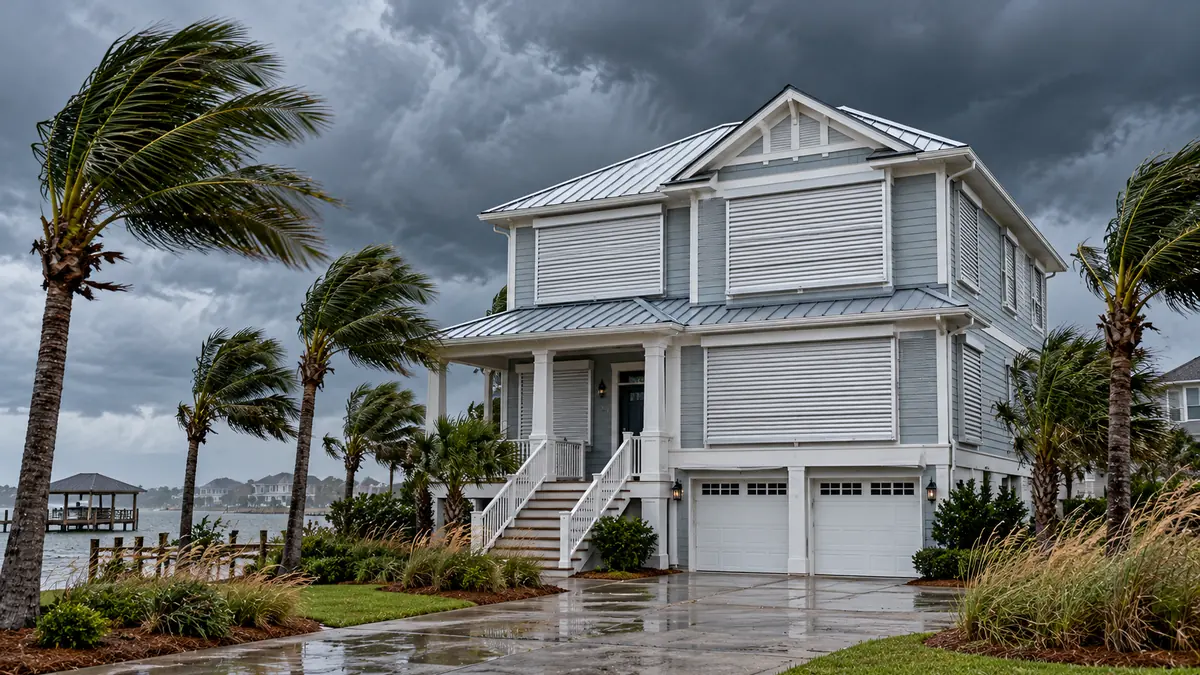
Some Virginia homeowners policies include a separate wind or hurricane deductible. The Bureau of Insurance notes it can be a flat amount, such as $1,000, or a percentage of the dwelling coverage, and it applies separately from the policy's regular deductible. A 2% deductible on $350,000 of dwelling coverage means you pay the first $7,000 of a covered wind claim. Find the deductible on the declarations page before you buy, and keep enough cash in reserve to cover it.
Maintenance
A common rule of thumb is to set aside 1% to 2% of the home's value each year, which is $4,000 to $8,000 on a $400,000 home. Use the low end for a newer home with recent systems and the high end for an older home, an aging roof or HVAC, or a big yard. Zillow and Thumbtack's November 2025 estimate is higher, at $10,946 a year, because it assumes you hire out 17 recurring services, including lawn care, house cleaning, gutter cleaning and HVAC servicing. Putting the money into a separate account each month makes the year the roof or HVAC needs replacing much easier. Our seasonal home maintenance checklist for Hampton Roads breaks the work into a schedule.
Utilities
The average Virginia residential electric bill was $148.77 a month in 2024, about $1,800 a year, at 1,032 kWh of use (U.S. Energy Information Administration). That average includes apartments, so a larger detached home in a humid summer will often run higher. Dominion Energy Virginia's base rates also went up: the SCC's November 25, 2025 order adds $11.24 a month in 2026 and another $2.36 in 2027 for a customer using 1,000 kWh. Those are base-rate changes; fuel charges are set separately (WMRA report). Add natural gas if the home has it, plus water, sewer, stormwater and trash charges, which vary by city. Ask the seller for 12 months of utility bills.
HOA dues
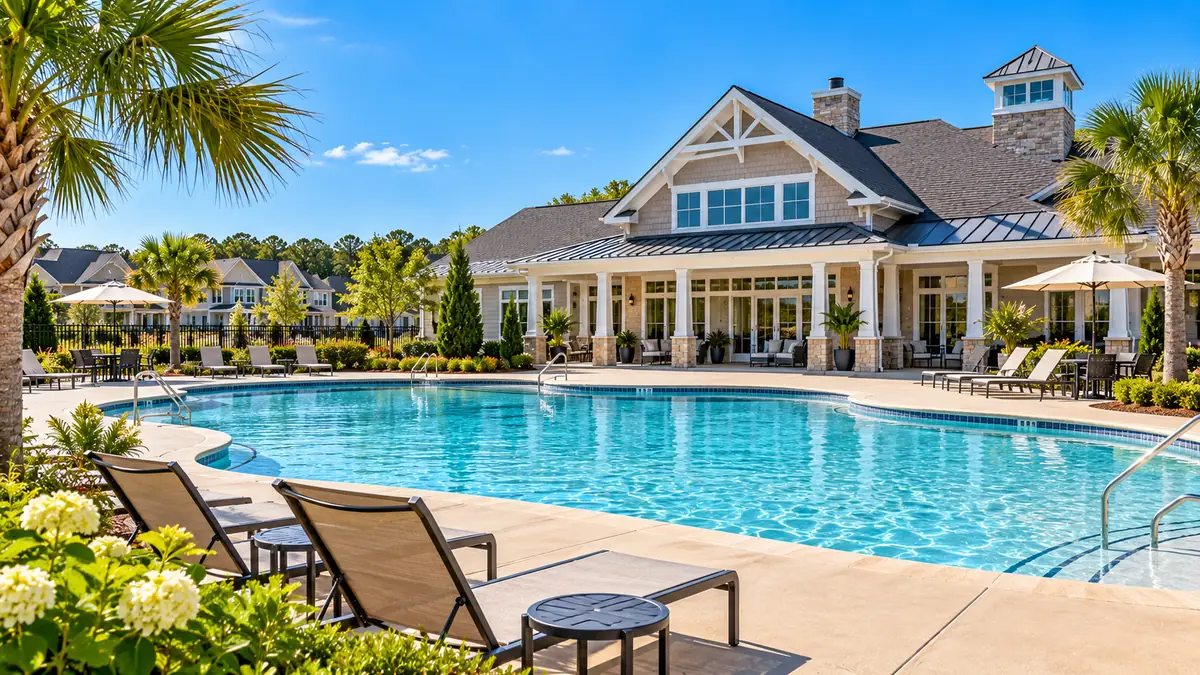
Not every home has an association, and condos and planned communities with pools, clubhouses or shared roads charge dues that vary widely, so read the fee on the listing rather than relying on an average. Before you are locked in, Virginia's Resale Disclosure Act gives you the association's resale certificate, which must show the assessments and payment schedule, any approved special assessment, and the amount held in reserves for capital expenses (Va. Code 55.1-2310). Small reserves can mean special assessments later. Our example uses $100 a month.
Adding it up: the 2027 math
For a $400,000 Virginia Beach home at the FY 2026-27 rate: property tax $3,880 + insurance $2,000 + maintenance $4,000 to $8,000 = $9,880 to $13,880 a year, or about $823 to $1,157 a month on top of mortgage principal and interest. Using maintenance at 1.5% and adding electricity ($1,800) and a $100-a-month HOA brings the example to about $14,880 a year, or $1,240 a month. Flood insurance, if the lender requires it, comes on top. Swap in your own city's rate from the table, your insurance quote and the actual HOA fee, and you have a working number for 2027.
That lands between the two national studies: the June 2023 figure of 4,155 counted utilities, and the November 2025 figure of 5,979 does not but assumes more hired-out maintenance. A lender counts tax, insurance, HOA dues and any required flood premium when it qualifies you, but not maintenance or utilities, so budget for those yourself. A local loan officer on our Hampton Roads lenders page can run the full monthly number with real quotes.
Frequently Asked Questions
How much does it really cost to own a home in Hampton Roads?
Beyond mortgage principal and interest, plan on about $825 to $1,160 a month for tax, insurance and maintenance on a $400,000 Virginia Beach home, and around $1,240 once you add electricity and a modest HOA. The tax part ranges from about $2,480 a year in the City of Williamsburg to $4,960 in Portsmouth on the same $400,000 assessment (FY 2026-27 rates).
What's the biggest hidden cost of owning?
Maintenance. It does not show up in your mortgage payment, it arrives in lumps, and it is the largest piece of Zillow and Thumbtack's 2025 estimate. Budget 1% to 2% of the home's value each year.
Where did the "$14K a year" figure come from?
A June 2023 Zillow and Thumbtack study that put the national average for property tax, insurance, utilities and maintenance at $14,155 a year. Their November 2025 update, which leaves out utilities, is $15,979.
How can I reduce my homeownership costs?
Compare tax rates and prices together when choosing a city, check whether you qualify for the disabled veteran exemption or a local relief program, shop your homeowners and flood insurance at each renewal, weigh a higher deductible against your cash reserve, read the HOA resale certificate before committing, and keep up with small repairs before they become big ones.
What's a realistic maintenance budget?
1% to 2% of the home's value a year, set aside in a separate account. On a $400,000 home that is $4,000 to $8,000. Some years you will spend less and some years much more.
Is owning cheaper than renting?
It depends on how long you stay. Closing costs when you buy and the costs of selling later are paid once, so the longer you own, the more years they are spread across. Compare a rent payment with your full monthly cost of owning, including the items in this guide, not just principal and interest. Our guide to closing costs in Virginia covers the upfront side.
Is a higher property tax rate always bad?
Not necessarily. Your bill is the rate times the assessed value, so a lower-rate city with higher prices can cost more. At September 2026 median prices, a Norfolk home at $1.23 works out to about $4,071 a year, while a Virginia Beach home at $0.97 works out to about $4,292.
How does flood insurance affect my real cost?
It can be small or one of your largest bills, depending on the building. NFIP premiums are priced for each property, so get a quote for the address, ask for the seller's current policy, and remember that a seller's policy can be assigned to you at closing. Check the flood zone before you make an offer.
Have a question about your home purchase?
Talk to a Hampton Roads buyer's agent or loan officer who can walk through your specific situation - no pressure, no obligation.
Sources & further reading
- Zillow and Thumbtack: Hidden costs of homeownership reach $16K per year (November 13, 2025)
- Zillow and Thumbtack: Hidden costs of homeownership can add up to nearly $15,000 annually (June 1, 2023)
- NAIC: Homeowners Insurance Report, data for 2023 (July 2026)
- Virginia SCC Bureau of Insurance: hurricane and flood coverage reminders
- FEMA: Risk Rating 2.0 frequently asked questions
- FEMA Flood Map Service Center
- EIA: 2024 average monthly residential electric bill by state
- Hampton Roads tax rates, assessors and property records by city
- CFPB: Owning a home
- ENERGY STAR: Save at home
Information reflects conditions as of October 2026. Tax rates are FY 2026-27 adopted rates (York County: 2026 tax year). Always confirm current details with the relevant agency, lender, insurance agent or licensed professional before relying on any specific figure or rule.
About the Author
Tom & Dariya Milan are a husband-and-wife team of licensed Virginia real estate agents serving Hampton Roads since 2005. Tom handles listing strategy, pricing and negotiation; Dariya handles buyers, contract-to-close and relocations. Their closings and reviews, pulled from the MLS, are on the About page. Brokered by LPT Realty. Call (757) 777-7577 or email tom@vahome.com.
About the Hampton Roads Real Estate Market
Hampton Roads is one of the most dynamic real estate markets on the East Coast, anchored by the largest naval complex in the world at Naval Station Norfolk and home to roughly 120,000 active-duty, reserve, and civilian Department of Defense personnel. The region spans seven cities — Virginia Beach, Norfolk, Chesapeake, Suffolk, Portsmouth, Hampton, and Newport News — plus the Peninsula communities of Williamsburg, Yorktown, and Poquoson, with each market carrying its own personality, school district, and price profile.
Buying or selling here means thinking about more than just a house. Tidewater geography means flood zones, hurricane preparation, and waterfront premiums matter. Military presence means BAH affordability, PCS season inventory crunches (May through August), and VA loan eligibility are top of mind for a meaningful share of every neighborhood. School quality varies block by block, especially across the seven independent city school divisions, and is often the deciding factor for relocating families.
Why Buyers and Sellers Choose VaHome
Tom & Dariya Milan, Realtors focus on the Hampton Roads region with deep expertise in military relocation, VA financing, and the trade-offs that local buyers actually face. From listing strategy that gets your home in front of the right relocating buyer to buyer representation that respects your BAH cap and PCS timeline, the team treats every transaction as a long-term relationship. The site is built to make decisions clearer: BAH-aware search, drive-time mapping to every major installation, neighborhood guides written by people who live here, and a calculator that shows real monthly cost — taxes, insurance, HOA, and PMI included — instead of a teaser headline number. Brokered by LPT Realty.
Plan Your Next Move
Whether you are buying your first home with a VA loan, moving up while your kids transition between school districts, or selling a Hampton Roads property to relocate to your next duty station, the resources on this site are organized around the questions you are actually asking. Browse listings filtered by base proximity, paygrade-aware BAH cap, and commute time. Read neighborhood guides for Virginia Beach, Norfolk, Chesapeake, Suffolk, Hampton, Newport News, Williamsburg, and the Peninsula communities. Use the mortgage calculator to compare conventional, FHA, VA, USDA, and jumbo loan scenarios side by side. When you are ready to talk, the contact form goes directly to a specialist who knows the area, the lenders, and the timing.