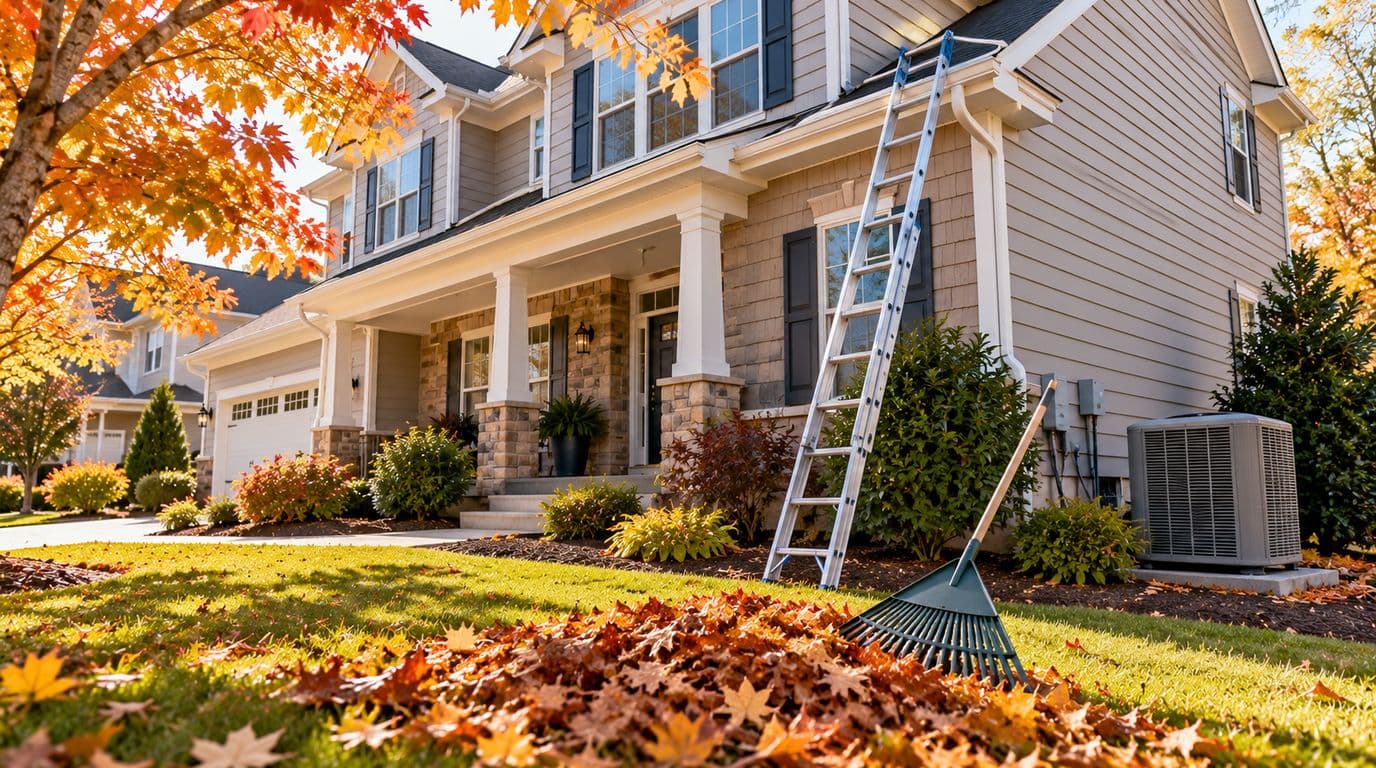
Seasonal Home Maintenance Checklist: Hampton Roads 2027
The best seasonal home maintenance plan for Hampton Roads works around four local facts: long, humid summers; the Atlantic hurricane season, which officially runs June 1 to November 30 with its peak around September 10 (NOAA National Hurricane Center, accessed October 2026); tidal and rain flooding that does not stop when hurricane season ends; and short but real winter freezes. In practice that means cooling and roof work in spring, storm and flood prep finished before mid-August, drainage and heating checks in fall, and freeze protection in winter. This 2027 checklist lays out each season, plus the coastal tasks that inland checklists leave out.
Key takeaways at a glance
- Spring: cooling-system checkup, clear the AC condensate drain, watch for termite swarms (March to May in Virginia), clean gutters and point downspouts away from the foundation.
- Summer: look up your evacuation zone, confirm flood coverage well ahead of any storm (most NFIP policies have a 30-day wait), build a kit, test the generator, keep indoor humidity under 60%.
- Fall: the busiest part of hurricane season runs mid-August to mid-October, so keep storm drains and gutters clear; then heating checkup, chimney inspection, dryer vent cleaning, irrigation shut-down.
- Winter: protect exposed and crawlspace pipes on freeze nights, check the attic, test smoke and CO alarms monthly.
- Humidity and salt air mean Hampton Roads homes need extra attention to crawlspaces, HVAC coils, and exterior surfaces all year.
| Season | Top 3 Tasks |
|---|---|
| Spring (March-May) | HVAC tune-up; gutter clean; exterior power wash |
| Summer (June-August) | Hurricane prep + insurance check; AC efficiency; deck refinish |
| Fall (September-November) | HVAC heat-mode test; gutters again; irrigation winterize |
| Winter (December-February) | Pipe insulation; attic check; indoor maintenance |
| Coastal-specific | Crawlspace check (monthly); HVAC outdoor unit cleaning; mildew quarterly |
Hampton Roads salt air + humidity = HVAC and exterior surfaces wear faster than national average.
In this guide
Spring (March-May)
Spring is when contractors still have open calendars and the house is coming out of a damp winter. ENERGY STAR recommends a professional cooling-system checkup in spring and a heating checkup in fall, because contractors get busy once the hot and cold seasons arrive (ENERGY STAR maintenance checklist).
- Book the AC or heat pump checkup before the first humid stretch, and ask the technician to clean the condenser and evaporator coils.
- Clear the AC condensate drain line. ENERGY STAR warns that a plugged drain can cause water damage and affect indoor humidity.
- Inspect, clean or change the HVAC filter once a month during heavy-use seasons.
- Watch for termite swarms. Virginia Cooperative Extension says eastern subterranean termites usually swarm March through May, in daylight on warm days after a rain. Winged insects at windowsills or mud tubes on the foundation are worth a call to a pest professional.
- Clean gutters of winter debris and pine needles, and check the roof from the ground for lifted or missing shingles.
- Point downspouts away from the foundation and keep leaves and pine needles out of swales and drainage paths, two steps the City of Virginia Beach recommends each spring.
- Power wash siding, walks and decks to remove mildew and algae.
- Start up the irrigation system and check heads and the backflow device for winter damage.
- Test smoke and carbon monoxide alarms (NFPA advises testing monthly and replacing smoke alarms about every 10 years).
- Inspect the crawlspace vapor barrier for tears, standing water or sagging insulation.
Summer (June-August) + Hurricane prep
Hurricane season opens June 1, and the National Hurricane Center notes most activity falls between mid-August and mid-October. Aim to have storm prep finished by early August, before the busiest stretch begins.
- Look up your evacuation zone. Virginia's Know Your Zone program assigns coastal addresses to Zones A through D across 23 localities; enter your street address on the VDEM Know Your Zone map and note it for everyone in the household.
- Confirm flood coverage now, not when a storm is named. Most homeowners insurance does not cover flood damage, and an NFIP flood policy typically has a 30-day waiting period from purchase before it takes effect (FEMA).
- Read your homeowners declarations page for any separate hurricane or windstorm deductible so you know what you would owe after a storm.
- Photograph or video every room and the exterior, and store copies of policies and the inventory somewhere other than the house.
- Build or refresh a kit: Ready.gov suggests one gallon of water per person per day for several days, food that won't spoil, a battery or hand-crank radio, flashlights, spare batteries and a first aid kit.
- Test-run the generator. The CDC says to run it outside, at least 20 feet from doors, windows and vents, and never in a garage.
- Trim dead limbs and branches over the roof, and plan where patio furniture, grills and trash cans go when a storm approaches.
- Check storm shutters, panels and fasteners so you are not hunting for hardware during a watch.
- Keep indoor humidity in check. EPA recommends staying below 60% relative humidity, ideally 30 to 50%; a hygrometer from the hardware store will tell you where you are. Run a dehumidifier in a sealed crawlspace if you have one.
- Keep shrubs and debris clear of the outdoor AC unit, and rinse salt and pollen off the coils.
- Sand and seal the deck while the weather is dry, and vacuum refrigerator coils.
Fall (September-November)
Early fall is still peak hurricane season, and the City of Norfolk notes that heavy rain, hurricanes and nor'easters can all cause flooding, so drainage work matters well past November 30.
- Keep the storm drain in front of your house clear of leaves, grass clippings and trash. Virginia Beach's Adopt-a-Drain pledge asks residents to clear debris at least six times a year, especially before rain, and never to lift a drain cover or reach inside.
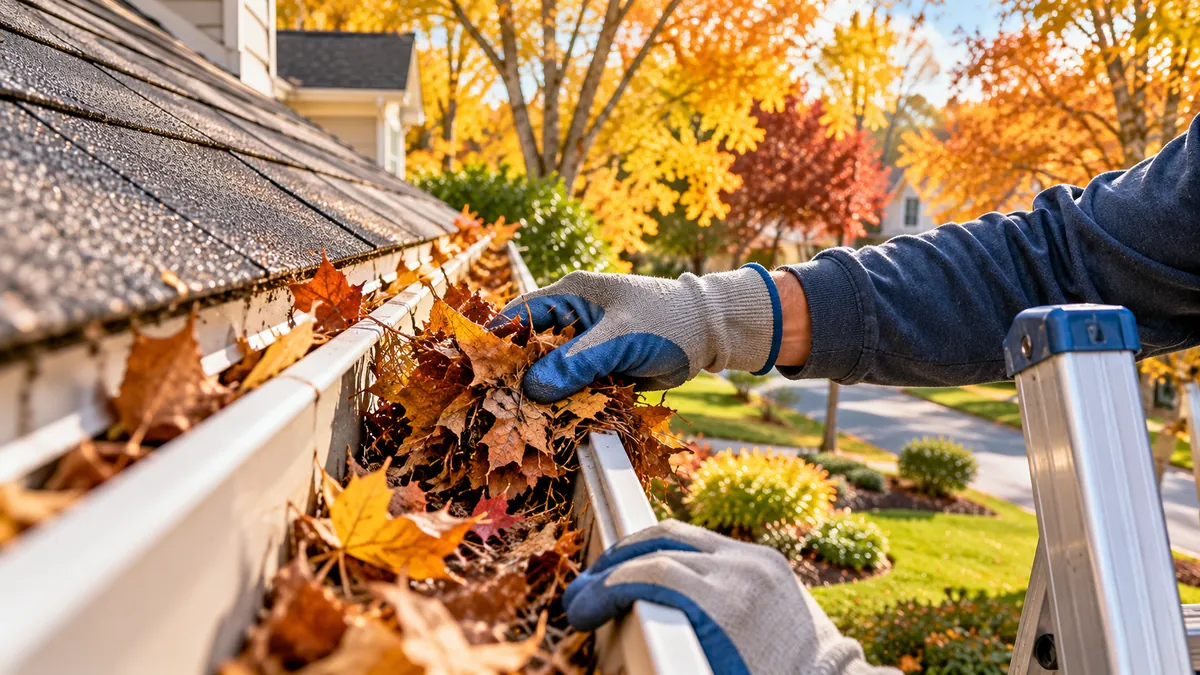
- Clean gutters again after the leaves and pine needles drop.
- Schedule the heating checkup before the first cold night, and replace the filter.
- Have the chimney and any fuel-burning heating equipment inspected and cleaned each year, as NFPA recommends, and keep space heaters at least three feet from anything that can burn.
- Clean the dryer vent. The U.S. Fire Administration says your fire risk rises when lint filters and vents are not cleaned; check that the duct behind the dryer is not crushed and that the outdoor vent flap opens while it runs.
- Caulk and weatherstrip windows and doors.
- Shut down and drain the irrigation system, and disconnect and drain hoses before the first freeze. Freeze timing varies a lot from year to year here, so watch the NWS Wakefield forecast for freeze watches and warnings.
- Insulate exposed pipes in the crawlspace, garage and exterior walls.
- Service the generator and store fuel safely before winter.
Winter (December-February)
Hampton Roads winters are mild compared with most of the country, which is exactly why a hard freeze catches homes off guard. Crawlspace plumbing and pipes on exterior walls are the usual weak points.
- On nights with a freeze warning, open cabinet doors under sinks on exterior walls and let a faucet drip.
- Know where the main water shut-off is and make sure it turns.
- Check the attic after windy or wet weather for leaks, damp insulation or daylight around vents.
- Keep checking the HVAC filter monthly while the heat is running.
- Test smoke and CO alarms monthly.
- Use the slow season for indoor work such as paint touch-ups and drywall repairs, and book spring contractors early.
Hampton Roads humidity, salt air and flooding
These are the tasks that make a Hampton Roads checklist different from a generic one.
- Crawlspace moisture: walk it monthly and after big storms. Virginia Cooperative Extension notes that subterranean termites can establish above ground in structures with chronic moisture problems, including poorly ventilated crawlspaces. If anything gets wet, EPA says drying it within 24 to 48 hours keeps mold from growing in most cases.
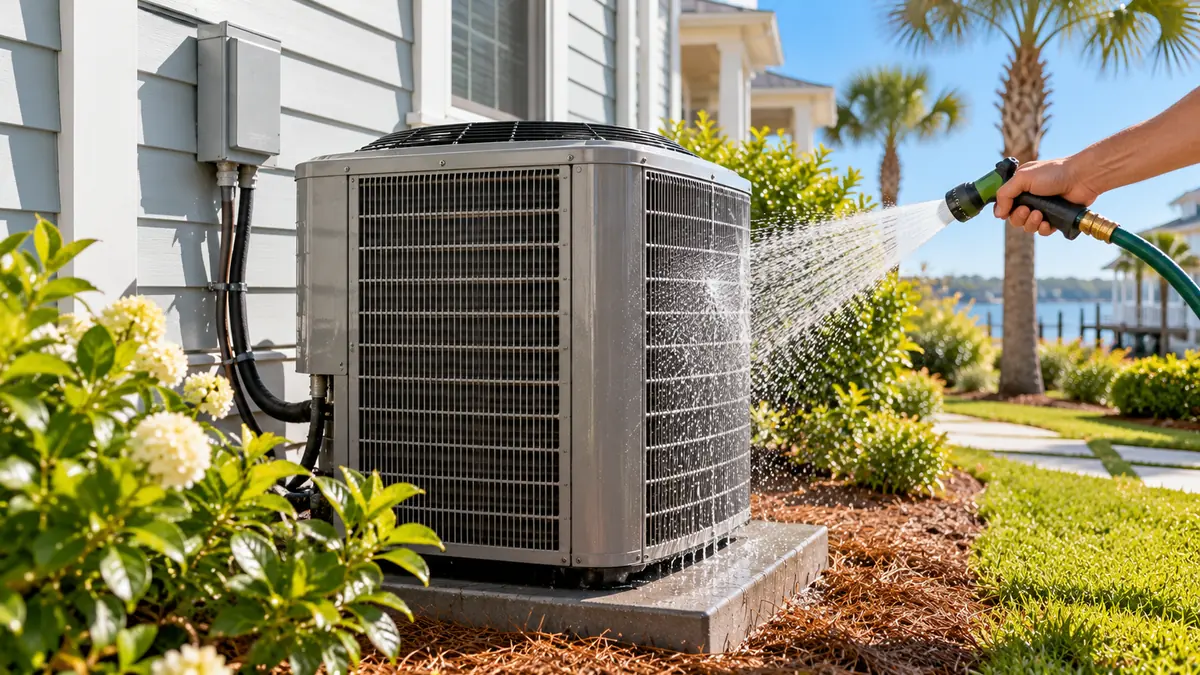
- Salt air: rinse the outdoor AC coils, and look over exterior metal such as fasteners, railings and light fixtures for corrosion.
- Flood risk: FloodSmart reports that almost one-third of NFIP flood claims come from outside high-risk flood areas, so a zone X property is not a reason to skip the question. Our guide on how to check flood zones in Norfolk and Virginia Beach walks through the lookup tools, and Norfolk's flooding page links to its Norfolk AIR address tool and a list of flooded streets and intersections.
- Flood insurance discounts: Virginia Beach participates in FEMA's Community Rating System, and as a Class 7 community its residents receive a 15% discount on flood insurance premiums (City of Virginia Beach, August 2025).
- Mildew and algae: plan to wash siding, roof, sidewalks and decks more often than a drier climate would need.
Frequently Asked Questions
When should I service my HVAC in Hampton Roads?
Twice a year: a cooling checkup in spring and a heating checkup in fall, which is the schedule ENERGY STAR recommends. If you have a heat pump, it does both jobs, so both visits matter.
How often should I clean gutters?
At least twice a year, in spring and after the fall leaf drop. Homes under pines or large hardwoods often need more, and it is worth checking them before any named storm.
Do I need to winterize my irrigation?
Yes. Drain the system and disconnect hoses before the first freeze. Because first-freeze timing varies widely from year to year, watch NWS Wakefield forecasts in late fall rather than relying on a fixed date.
When is hurricane season in Hampton Roads?
The Atlantic hurricane season runs June 1 through November 30. The National Hurricane Center puts the peak around September 10, with most activity between mid-August and mid-October, so have your prep done by early August.
Does homeowners insurance cover flooding?
Usually not. Most homeowners policies exclude flood damage, and flood coverage is a separate policy. NFIP policies typically take 30 days to take effect, so buy coverage well before a storm is in the forecast.
Should I have a maintenance budget?
Yes. A common rule of thumb is to set aside 1 to 2% of the home's value each year for maintenance and repairs, as shown in the chart above. It is a planning guide, not a rule from any agency; older homes and waterfront homes often run higher. Our breakdown of the real yearly costs of owning a home puts maintenance next to taxes and insurance.
How often should I check my crawlspace?
A quick monthly look, a fuller walk-through each quarter, and a check after any major storm or heavy rain.
What home tasks should I do every month?
Test smoke and CO alarms, check the HVAC filter, look in the crawlspace if you have one, and walk the outside of the house for drainage or roof problems.
Have a question about your home?
Tom & Dariya Milan, Realtors, can point you to local inspectors and contractors, or help you see what your home is worth with a free home value estimate. Brokered by LPT Realty.
Sources & further reading
- NOAA National Hurricane Center: Tropical cyclone climatology
- Virginia Department of Emergency Management: Know Your Zone
- FEMA: Waiting period for a flood policy
- FloodSmart (NFIP)
- City of Norfolk: Flooding
- City of Virginia Beach: Spring tips to keep your home flood-resilient
- City of Virginia Beach: Adopt-a-Drain
- ENERGY STAR: Heating and cooling maintenance checklist
- EPA: A brief guide to mold, moisture and your home
- Virginia Cooperative Extension: Biology of subterranean termites in the eastern United States
- NFPA: Smoke alarms
- U.S. Fire Administration: Clothes dryer fire safety
- CDC: Use a generator safely
- Ready.gov: Build a kit
- NWS Wakefield (Hampton Roads forecasts)
Information reflects sources checked in October 2026. Always confirm current details with the relevant agency, insurer, or licensed professional before relying on any specific figure or rule.
About the Author
Tom & Dariya Milan are a husband-and-wife team of licensed Virginia real estate agents serving Hampton Roads since 2005. Tom handles listing strategy, pricing and negotiation; Dariya handles buyers, contract-to-close and relocations. Their closings and reviews, pulled from the MLS, are on the About page. Brokered by LPT Realty. Call (757) 777-7577 or email tom@vahome.com.
About the Hampton Roads Real Estate Market
Hampton Roads is one of the most dynamic real estate markets on the East Coast, anchored by the largest naval complex in the world at Naval Station Norfolk and home to roughly 120,000 active-duty, reserve, and civilian Department of Defense personnel. The region spans seven cities — Virginia Beach, Norfolk, Chesapeake, Suffolk, Portsmouth, Hampton, and Newport News — plus the Peninsula communities of Williamsburg, Yorktown, and Poquoson, with each market carrying its own personality, school district, and price profile.
Buying or selling here means thinking about more than just a house. Tidewater geography means flood zones, hurricane preparation, and waterfront premiums matter. Military presence means BAH affordability, PCS season inventory crunches (May through August), and VA loan eligibility are top of mind for a meaningful share of every neighborhood. School quality varies block by block, especially across the seven independent city school divisions, and is often the deciding factor for relocating families.
Why Buyers and Sellers Choose VaHome
Tom & Dariya Milan, Realtors focus on the Hampton Roads region with deep expertise in military relocation, VA financing, and the trade-offs that local buyers actually face. From listing strategy that gets your home in front of the right relocating buyer to buyer representation that respects your BAH cap and PCS timeline, the team treats every transaction as a long-term relationship. The site is built to make decisions clearer: BAH-aware search, drive-time mapping to every major installation, neighborhood guides written by people who live here, and a calculator that shows real monthly cost — taxes, insurance, HOA, and PMI included — instead of a teaser headline number. Brokered by LPT Realty.
Plan Your Next Move
Whether you are buying your first home with a VA loan, moving up while your kids transition between school districts, or selling a Hampton Roads property to relocate to your next duty station, the resources on this site are organized around the questions you are actually asking. Browse listings filtered by base proximity, paygrade-aware BAH cap, and commute time. Read neighborhood guides for Virginia Beach, Norfolk, Chesapeake, Suffolk, Hampton, Newport News, Williamsburg, and the Peninsula communities. Use the mortgage calculator to compare conventional, FHA, VA, USDA, and jumbo loan scenarios side by side. When you are ready to talk, the contact form goes directly to a specialist who knows the area, the lenders, and the timing.