Home Inspection vs. Appraisal: 2027 Virginia Buyer's Guide
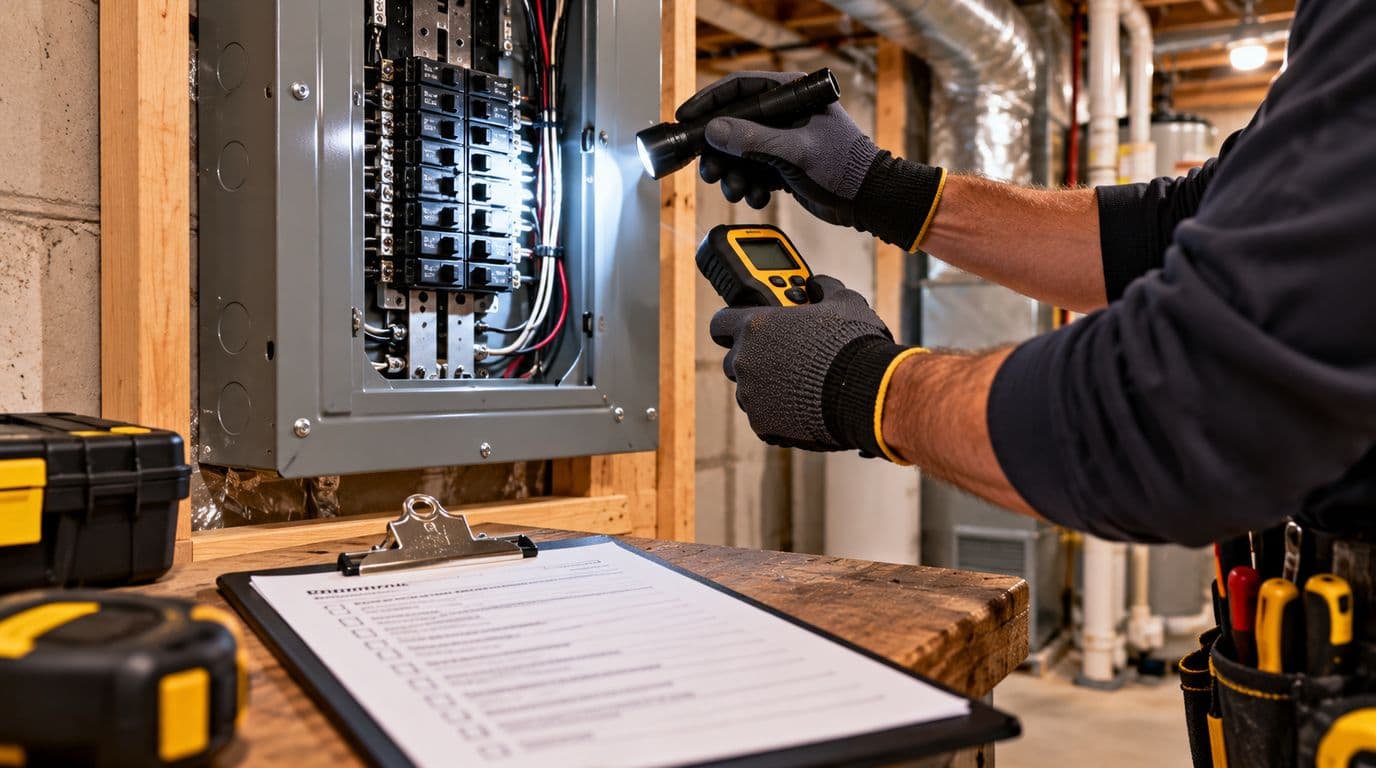
A home inspection tells you, the buyer, what condition the house is in. An appraisal tells your lender what it is worth. You hire the inspector in the first days after your offer is accepted, and the report gives you grounds to ask for repairs or cancel. The lender orders the appraisal, you usually pay for it, and its value caps how much the lender will lend. In Virginia the inspection carries extra weight: the disclosure statement sellers give you says the owner makes no representations about the home's condition and advises you to get a home inspection (Va. Code § 55.1-703). This 2027 guide covers what each one checks, what it costs, and your options when either brings bad news.
Key takeaways at a glance
- Home inspection protects the buyer. Appraisal protects the lender, and indirectly you.
- Virginia requires a license to do home inspections for pay (since July 1, 2017).
- Inspection: about $296 to $425 is the typical U.S. range (Angi, June 2026); local quotes vary with size and age.
- VA appraisal: $700 maximum single-family fee in Hampton Roads, due within 7 business days in most of the region (VA table effective May 1, 2026).
- Inspection problems: ask for repairs, a credit or a lower price, or cancel by your contract's deadline.
- Low appraisal: renegotiate, cover the gap, challenge the value, or cancel. FHA and VA contracts protect your earnest money if value comes in under the price.
| Aspect | Home Inspection | Appraisal |
|---|---|---|
| Purpose | Condition: what is broken, worn or unsafe | Value: what the home is worth based on comparable sales |
| Who orders | Buyer | Lender (VA assigns the appraiser on VA loans) |
| Who pays | Buyer, usually at the inspection | Usually the buyer, upfront or at closing |
| Licensed by (Virginia) | DPOR Board for Asbestos, Lead, and Home Inspectors | DPOR Real Estate Appraiser Board |
| Who attends | Buyer, ideally for the walk-through at the end | Appraiser; an agent usually provides access |
| Output | Written report on readily accessible systems and defects | Appraisal report with a market value (VA: Notice of Value) |
| Triggers what | Repair, credit or price negotiations | Loan amount, and required repairs on FHA and VA loans |
| Required? | Not required by law, but advised in Virginia's seller disclosure statement | Required for FHA and VA purchases and most conventional loans |
| What if it fails | Negotiate or cancel by the contract's inspection deadline | Renegotiate, bring cash, challenge the value, or cancel |
VA and FHA appraisals also check the home against minimum property requirements, so they can require repairs a conventional appraisal would not. Neither replaces a home inspection.
In this guide
Home inspection
Virginia defines a home inspection as a written evaluation of a home's readily accessible components: heating, cooling, plumbing, electrical, structure, foundation, roof and more (Va. Code § 54.1-500). Only a licensed home inspector can do one for pay, and new homes should be inspected by a licensee with the NRS (new residential structure) specialty (DPOR). Check any inspector on DPOR's license lookup.
Under Virginia's standards of practice (18VAC15-40):
- You sign a written contract before the inspection that lists the price, scope, exclusions and report date.
- The report covers structure, crawl space, roof, attic, exterior, interior, plumbing, electrical, heating and air conditioning, and must list anything the inspector could not inspect, with the reason.
- It must state whether readily accessible smoke alarms work, and flag any yellow CSST gas tubing in homes built before May 1, 2008.
- It is visual only: not a warranty and not a code-compliance review.
The contract may exclude termites and other wood-destroying insects, mold, radon, asbestos and lead-based paint, so order those as separate tests if you want them. A standard inspection runs about $296 to $425 nationally (Angi, updated June 2026); that is a general range, not a Hampton Roads quote. Plan to attend the walk-through at the end.
Appraisal
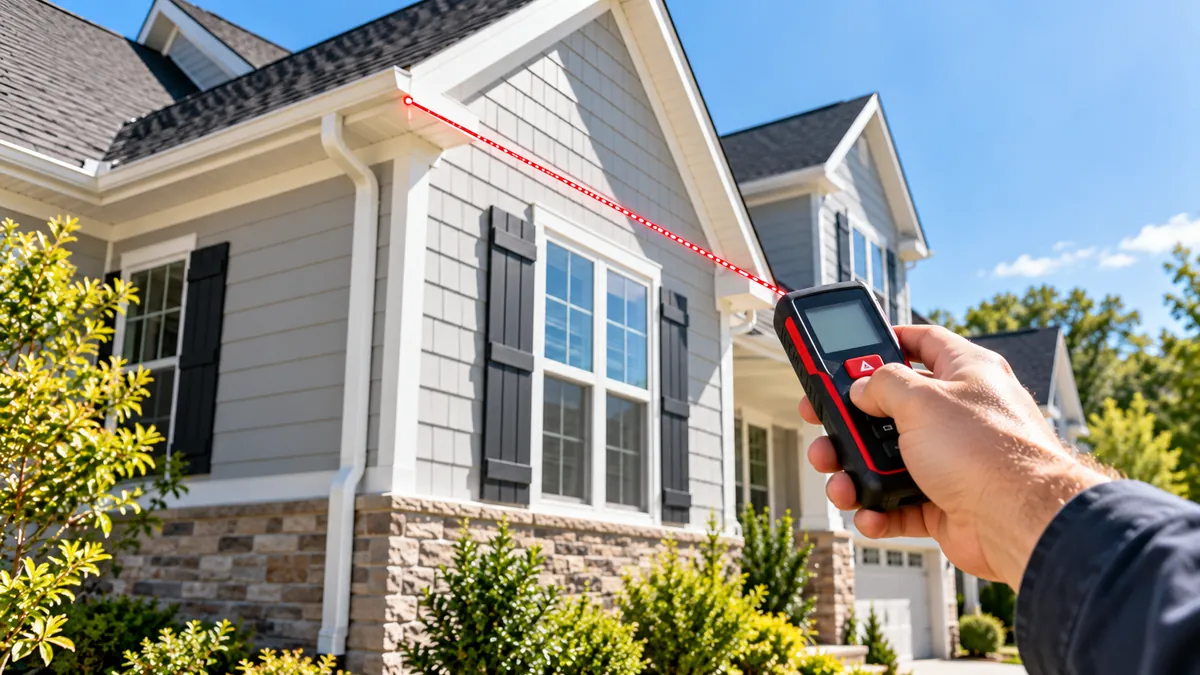
Your lender orders the appraisal after you apply. A licensed appraiser (in Virginia, licensed by the Real Estate Appraiser Board) compares the home with recent nearby sales and estimates market value. Lenders size a purchase loan from the lower of the price and the appraised value, so a low appraisal shrinks what you can borrow.
Condition matters to the appraiser only as it affects value and, on FHA and VA loans, the agencies' property rules. VA's handbook spells out the limits: no operational checks of systems or appliances, no climbing onto the roof, and the crawl space is viewed, not entered (VA Lenders Handbook, Chapter 12). A clean appraisal says little about the water heater.
The lender must send you a free copy promptly when it is complete or three business days before closing, whichever comes first (12 CFR 1002.14). Some conventional loans get a "value acceptance" appraisal waiver offer from Fannie Mae's underwriting system; it is not available on purchases of $1,000,000 or more, two- to four-unit homes or deals with a gift of equity (Fannie Mae Selling Guide, June 2026).

Key differences
- Purpose: Inspection = condition; Appraisal = value
- Who it works for: Inspection = you; Appraisal = the lender
- Depth: Inspection = systems examined in detail; Appraisal = readily apparent issues only
- What it triggers: Inspection = repair negotiations; Appraisal = loan amount and, on FHA and VA loans, required repairs
What if inspection finds issues?
Your contract's inspection contingency sets the deadline; the number of days is negotiated in your offer. Before it runs out you can ask for repairs, a closing credit or a lower price, or cancel and get your earnest money deposit back. Get any specialist the inspector recommends, such as a roofer or HVAC technician, out quickly so their findings land inside the window. If the seller agrees to repairs, ask for receipts and check the work at your final walk-through.
What if appraisal comes in low?
You have four options, and they can be combined:
- Renegotiate. Ask the seller to drop the price to the appraised value or meet you partway.
- Cover the gap. Bring the difference in cash on top of your down payment.
- Challenge the value. Ask your lender for a reconsideration of value, backed by better comparable sales your agent pulls.
- Cancel. Use your appraisal or financing contingency. On FHA and VA loans, a contract signed before the appraisal must include an amendatory clause (VA calls it the escape clause): you are not obligated to buy, or to forfeit earnest money, if the appraised value is below the price, and you may still choose to go ahead (HUD; 38 CFR 36.4303(k)).
VA and FHA special appraisal rules
VA loans. VA's minimum property requirements aim to make the home safe, structurally sound and sanitary, and the appraisal is completed "subject to" any repair needed to meet them. Examples: defective paint on a home built before 1978 is presumed lead-based and must be corrected; air conditioning, if installed, must work; the crawl space must be accessible and vented. A wood-destroying insect report is required where VA's termite map shows "very heavy" or "moderate to heavy" risk, or when the appraiser sees damage, so ask your lender early whether your address needs one (VA Lenders Handbook).
Under the Tidewater initiative, first piloted here in Virginia's Tidewater area, the appraiser warns the lender's contact before finishing if value looks likely to fall below the price and allows 2 business days to submit more sales. After the Notice of Value is issued, you can request a reconsideration of value, which VA reviews within 5 business days (VA). The Notice of Value also recommends a home inspection. More in our VA loan basics for Hampton Roads buyers.
FHA loans. HUD's notice "For Your Protection: Get a Home Inspection" tells FHA buyers that the appraisal is for the lender and FHA does not guarantee the home's value or condition. The appraiser checks the home against HUD's minimum property requirements in Handbook 4000.1, and an FHA appraisal is valid for 180 days (HUD Mortgagee Letter 2022-11). HUD rescinded its 2024 borrower-initiated reconsideration-of-value rules on March 19, 2025 (ML 2025-08), so ask your lender how it handles a value challenge. See our FHA loan guide.
Frequently Asked Questions
Do I need both an inspection and appraisal?
If you are financing, the appraisal is almost always required. The inspection is optional, but since Virginia sellers make no representations about condition, it is how you learn what you are buying.
Is a home inspection required by law in Virginia?
No. Virginia requires that anyone doing home inspections for pay hold a DPOR home inspector license.
Who pays for the home inspection?
The buyer, usually at the inspection. About $296 to $425 is the typical national range (Angi, June 2026).
Who pays for the appraisal?
Usually the buyer, upfront or at closing; the fee appears on your Loan Estimate. The VA maximum in Hampton Roads is $700 (effective May 1, 2026).
Does the appraiser check the house for problems?
Only readily apparent ones. FHA and VA appraisers require repairs that fail minimum property rules, but they do not test systems.
What if the appraisal is low?
Renegotiate, bring the difference in cash, ask for a reconsideration of value, or cancel under your contingency.
What if the inspection finds problems?
Ask for repairs, a credit or a lower price, or cancel before your inspection deadline.
Should I attend my home inspection?
Yes, at least for the walk-through at the end. The inspector explains issues better in person than on paper.
How long is an appraisal good for?
An FHA appraisal is valid for 180 days from its effective date. Other programs differ, so ask your lender if closing slips.
Can I waive the appraisal?
Not on an FHA or VA purchase. Some conventional loans get a waiver offer, and cash buyers can skip it, but you lose the check on overpaying.
Have a question about your home purchase?
Talk with Tom & Dariya Milan, Realtors, about inspection and appraisal deadlines on your contract, or compare local mortgage lenders before you apply.
Sources & further reading
- Va. Code § 55.1-703: residential property disclosure statement
- DPOR Board for Asbestos, Lead, and Home Inspectors
- 18VAC15-40: Virginia home inspector standards of practice
- VA appraisal fees and timeliness
- VA Lenders Handbook (VA Pamphlet 26-7)
- HUD Handbook 4000.1: FHA Single Family Housing Policy
- CFPB — Buying process
- American Society of Home Inspectors (ASHI)
- The Appraisal Foundation
Information reflects rules and fee schedules in effect as of October 2026. Always confirm current details with your lender, inspector or the relevant agency before relying on any specific figure or rule.
About the Author
Tom & Dariya Milan are a husband-and-wife team of licensed Virginia real estate agents serving Hampton Roads since 2005. Tom handles listing strategy, pricing and negotiation; Dariya handles buyers, contract-to-close and relocations. Their closings and reviews, pulled from the MLS, are on the About page. Brokered by LPT Realty. Call (757) 777-7577 or email tom@vahome.com.
About the Hampton Roads Real Estate Market
Hampton Roads is one of the most dynamic real estate markets on the East Coast, anchored by the largest naval complex in the world at Naval Station Norfolk and home to roughly 120,000 active-duty, reserve, and civilian Department of Defense personnel. The region spans seven cities — Virginia Beach, Norfolk, Chesapeake, Suffolk, Portsmouth, Hampton, and Newport News — plus the Peninsula communities of Williamsburg, Yorktown, and Poquoson, with each market carrying its own personality, school district, and price profile.
Buying or selling here means thinking about more than just a house. Tidewater geography means flood zones, hurricane preparation, and waterfront premiums matter. Military presence means BAH affordability, PCS season inventory crunches (May through August), and VA loan eligibility are top of mind for a meaningful share of every neighborhood. School quality varies block by block, especially across the seven independent city school divisions, and is often the deciding factor for relocating families.
Why Buyers and Sellers Choose VaHome
Tom & Dariya Milan, Realtors focus on the Hampton Roads region with deep expertise in military relocation, VA financing, and the trade-offs that local buyers actually face. From listing strategy that gets your home in front of the right relocating buyer to buyer representation that respects your BAH cap and PCS timeline, the team treats every transaction as a long-term relationship. The site is built to make decisions clearer: BAH-aware search, drive-time mapping to every major installation, neighborhood guides written by people who live here, and a calculator that shows real monthly cost — taxes, insurance, HOA, and PMI included — instead of a teaser headline number. Brokered by LPT Realty.
Plan Your Next Move
Whether you are buying your first home with a VA loan, moving up while your kids transition between school districts, or selling a Hampton Roads property to relocate to your next duty station, the resources on this site are organized around the questions you are actually asking. Browse listings filtered by base proximity, paygrade-aware BAH cap, and commute time. Read neighborhood guides for Virginia Beach, Norfolk, Chesapeake, Suffolk, Hampton, Newport News, Williamsburg, and the Peninsula communities. Use the mortgage calculator to compare conventional, FHA, VA, USDA, and jumbo loan scenarios side by side. When you are ready to talk, the contact form goes directly to a specialist who knows the area, the lenders, and the timing.